Key takeaways
- Three landmarks sit within a 25 km triangle of Chengdu: the 2,280-year-old UNESCO irrigation system, the quieter Dujiangyan panda base, and UNESCO Mt Qingcheng — Daoism’s birthplace.
- Book before you travel. Since February 2026 both scenic areas require an online real-name reservation with a timed entry window — four a day, up to 15 days ahead — and the gate windows sell only what is left over. Guides that tell you to buy at the gate describe a rule that ended.
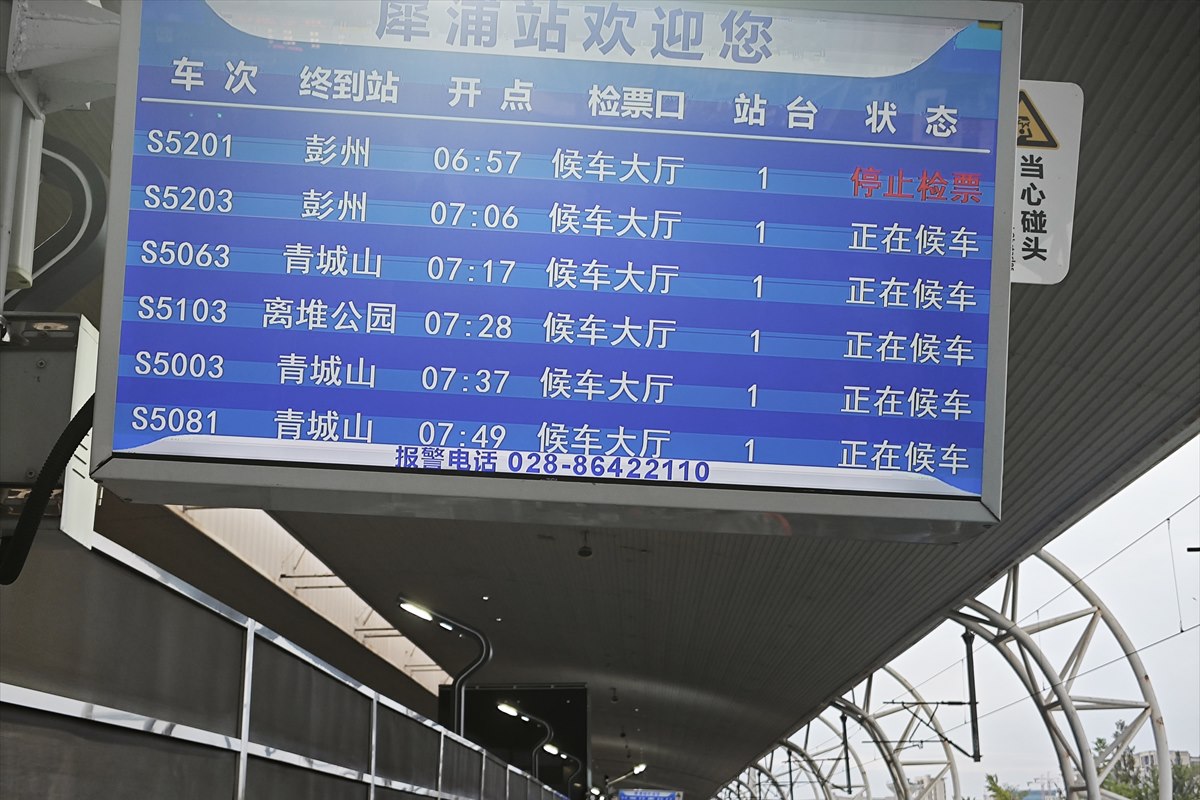
- Easiest DIY = HSR from Xipu (犀浦, a cross-platform interchange with Chengdu Metro Line 2 — most frequent service) or a few direct trains from Chengdu East (35–50 min, ¥10–22). Get off at Lidui Park station (离堆公园站), 860 m from the irrigation gate — not at Dujiangyan station, which is 6.6 km short of it.
- All three in one day needs a tight 8-hour plan and the Mt Qingcheng cable car (¥35 one way / ¥60 return) — without it the mountain alone eats 4 hours.
- Admission is ¥80 and the ¥160 combo is exactly two singles — no discount in it. The panda base (¥55) is booked separately again. Carry RMB 500 cash — foreign-card POS is unreliable.
Why Dujiangyan is the under-rated Chengdu day trip
Mt Emei and Leshan get the bulk of foreign-traveler attention, but Dujiangyan quietly stacks three internationally significant attractions inside a 25-kilometre triangle: the only place on Earth where you can see a 2,200-year-old engineering project still doing its original job; a forested panda base where you can watch one animal for 15 minutes uninterrupted; and the original mountain temple where Chinese Daoism was founded in 142 CE.
Worth it for history-curious travelers with a full day out of Chengdu and panda-base completionists who want a quieter alternative to the main base. Skip if you have only one full day and haven’t done the main Chengdu Research Base of Giant Panda Breeding yet (the headline panda experience); you have strict mobility limits (stair-climbs at the irrigation system, cable-car-plus-stairs at Mt Qingcheng); or you visit mid-July through August, when the Min River runs muddy and the mountain sits in cloud.
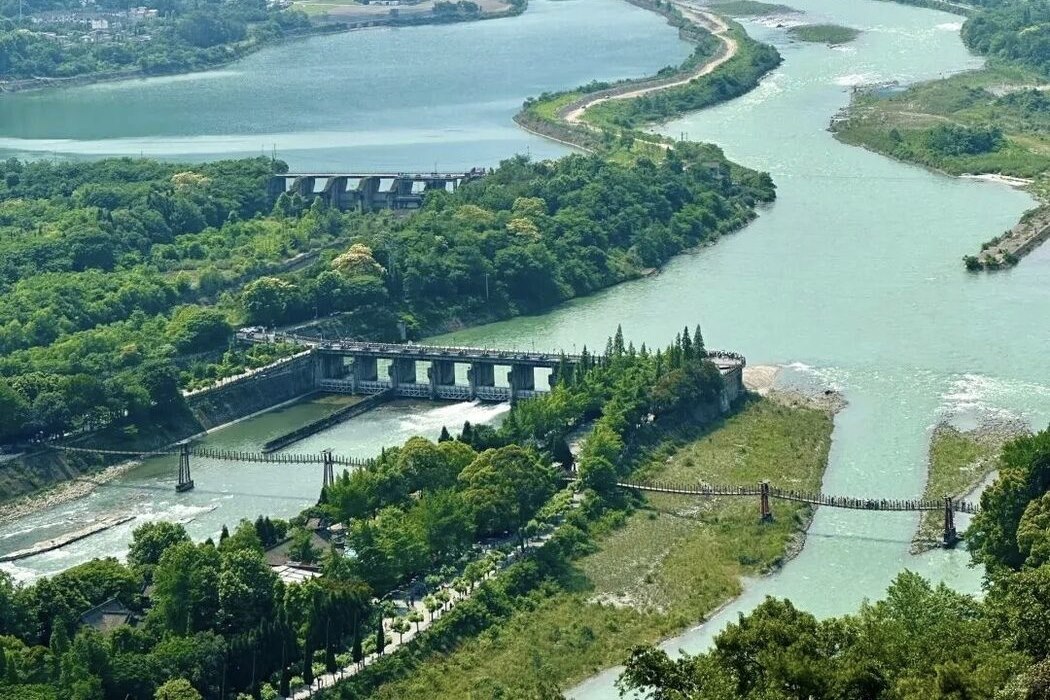
Day plan — all 3 landmarks in 8 hours
A realistic timeline. Tight but doable — it depends on Chengdu morning traffic and HSR booking timing.
| Time | Activity | Notes |
|---|---|---|
| 7:30am | Metro Line 2 → Xipu, change to the city rail | Cross-platform at Xipu — no need to exit |
| 8:15am | City rail Xipu → Lidui Park (离堆公园站) | ~20–30 min, ¥10–15; walk 10–15 min to the gate |
| 9:00am | Irrigation system (Yuzui → Feishayan → Baopingkou) | 90 min walk-through, finish at Anlan Bridge |
| 11:00am | Taxi to Dujiangyan Panda Base | ~20 min, ~¥40 metered |
| 11:30am | Panda base + lunch on-site | 90 min — pandas most active 11am–1pm |
| 1:30pm | Taxi to Mt Qingcheng front gate | 11.5 km, ~25 min, ~¥50 (16.7 km / ~30 min if you skip the pandas and come straight from the irrigation gate) |
| 2:00pm | Cable car up Mt Qingcheng (Front) | ¥60 round-trip — saves ~2 hrs vs hiking |
| 4:30pm | Descend → Qingchengshan HSR station | ~10 min |
| 5:00pm | City rail Qingchengshan → Xipu (Metro Line 2) | ~30 min — back in town for dinner by 6pm |
This timetable only exists if you booked it. Each site now admits you in a timed window, and the windows are the schedule: the 08:00–10:00 slot at the irrigation system is what makes the rest of this day fit. Book all three — irrigation system, panda base, Mt Qingcheng — before you leave Chengdu, and if the only Dujiangyan window left is an afternoon one, run the day backwards rather than trying to talk your way in early.
Two structural choices matter. First, the Mt Qingcheng cable car is non-negotiable for a same-day combo. Second, the 成灌 city rail splits into two branches after Dujiangyan — one to Lidui Park(离堆公园站, closest to the irrigation system) and one to Qingchengshan (for Mt Qingcheng). Enter at Lidui Park and leave from Qingchengshan, so you traverse the route end-to-end without backtracking. Some travellers flip the order — Mt Qingcheng first (cable car up-and-down), then the irrigation system in the afternoon, finishing at dusk on Nanqiao Bridge (南桥), whose lantern-lit “blue-tear” night lighting over the channel is a local favourite before the ride home.
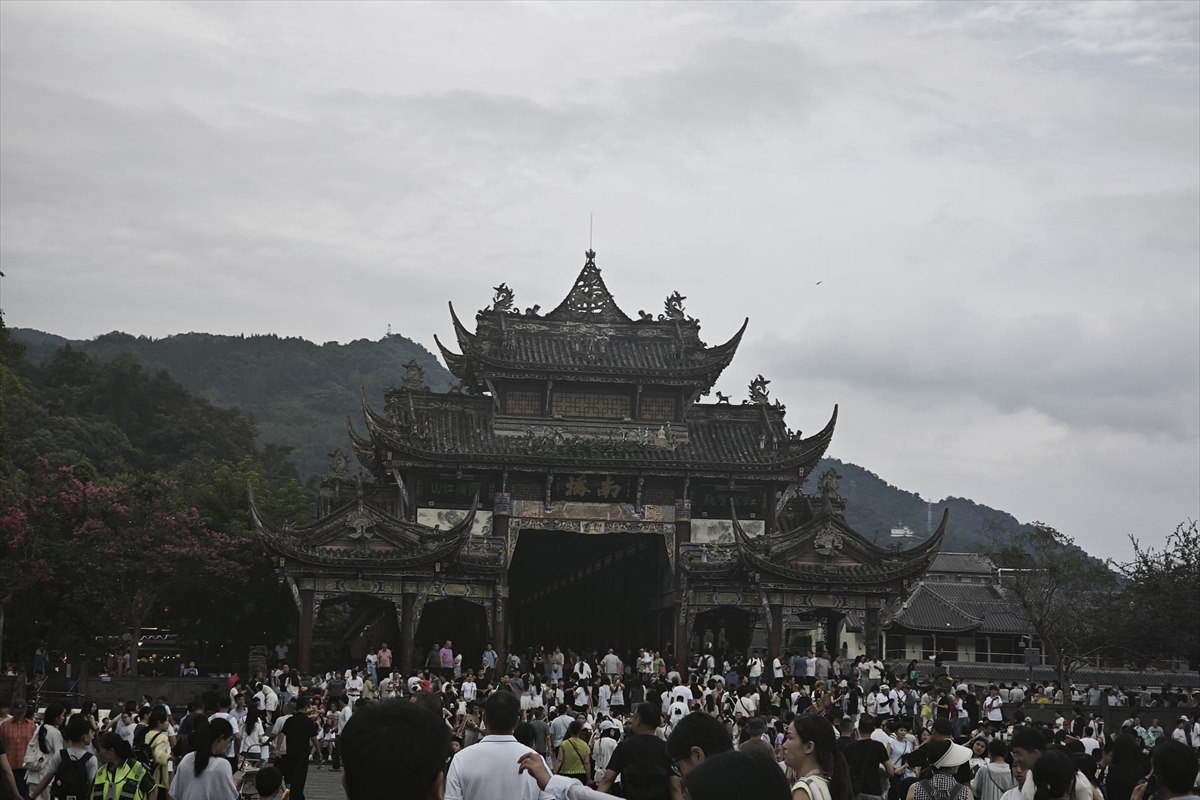
How to get there from Chengdu
Three transport options — the HSR is the easiest DIY in the entire Chengdu day-trip set.
| Option | Cost | Time | Best for |
|---|---|---|---|
| HSR + on-site taxi | ~¥150–200 pp | 8 hrs | DIY budget + flexibility |
| Trip.com bundled day tour | USD $55–75 pp | 8–9 hrs | First-time foreigners |
| Private driver (full day) | ¥800–1,400/day | 8–10 hrs | Groups of 3–4 sharing |
Option A: city rail + on-site taxi (best DIY)
The cheapest, most flexible path. The 成灌 city rail runs most frequently from Xipu (犀浦站, a cross-platform interchange with Chengdu Metro Line 2 — you don’t leave the system), with a handful of direct trains from Chengdu East (成都东站); 35–50 minutes, ¥10–22 second class, frequent departures from 7:00am. Book via the 12306 English app 15 days ahead for weekend slots; weekdays are usually fine same-day. Get off at Lidui Park station (离堆公园站), 860 m and a 10–15 min walk from the irrigation gate. The older city station, Dujiangyan station (都江堰站), is 6.6 km short of it — about 23 minutes by taxi (~¥20) or bus 4 — so alighting there costs you half an hour for nothing. Between the three sites use metered taxis (~¥40–50 a leg) or a half-day Didi (滴滴) driver for ¥150–200.
Option B: a guided day out
Hotel pickup around 7:30am and back by six, with the transport, the entries, lunch and a bilingual guide handled for you. Two things make this worth more here than at most attractions. The guide, because the engineering story is the whole point and the signage on the system is mostly Chinese-only. And the booking, because since February 2026 each site needs its own timed entry slot reserved in advance — a tour absorbs that admin. Confirm the panda base is actually included, since some itineraries drop it to quote a lower headline price.
Option C: Private driver / full-day car
¥800–1,400 for a 10-hour day — worth it for groups of 3–4 splitting the cost (≈¥250–350 pp). You get door-to-door service and storage for gear; the downside is rush-hour Chengdu traffic adding 45–90 minutes on the return. Most drivers don’t speak English — book through your hotel or a Trip.com private-tour listing.
UNESCO Dujiangyan Irrigation System
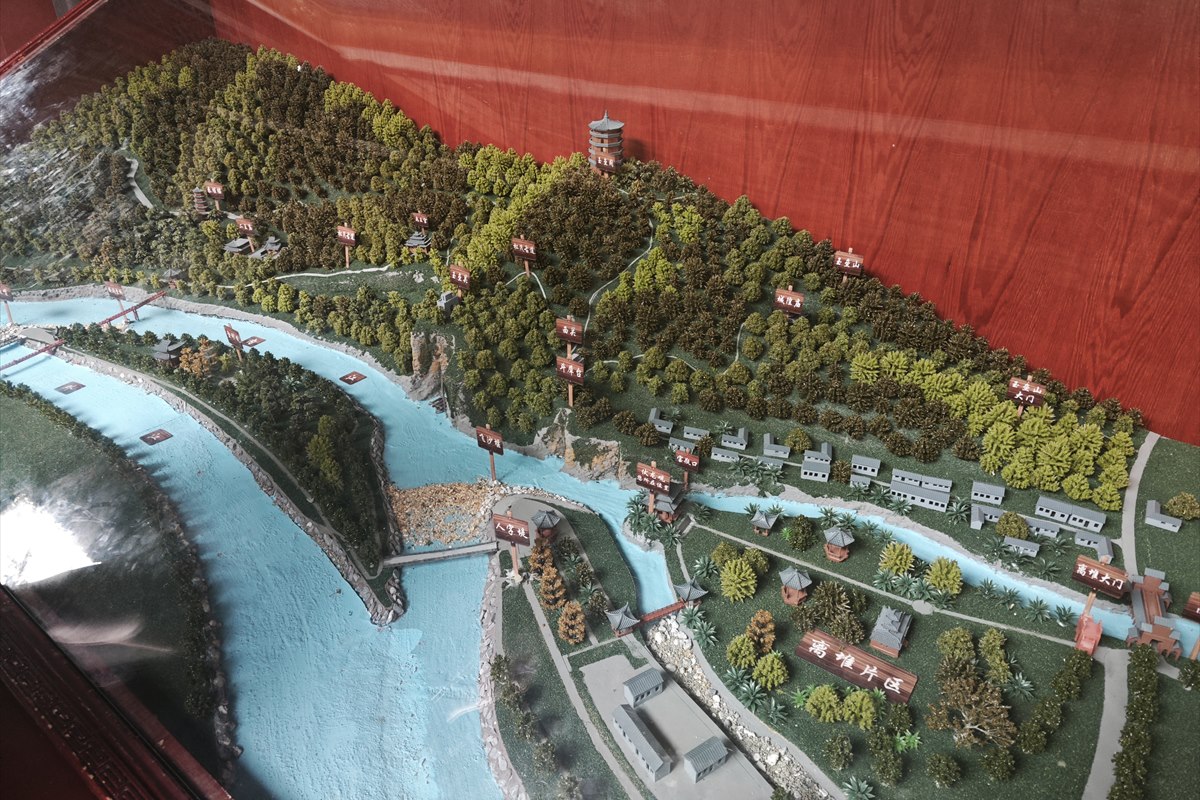
The headline experience. Built in 256 BC by Qin-dynasty engineer Li Bing and his son, the system has operated continuously for 2,280+ years — the oldest functioning water-management installation on Earth. UNESCO inscribed it in 2000 jointly with Mt Qingcheng (listing ID 1001). It has three components, all visible from a single 90-minute walk along the inner river bank:
| Component | What it does |
|---|---|
| Yuzui (鱼嘴) the “Fish Mouth” levee | A slender island shaped like a fish’s head that splits the Min River (岷江) in two: the outer channel (外江) carries floodwater downstream, the inner channel (内江) feeds irrigation into the Chengdu Plain. The split self-adjusts — ~60% inner in low water, inverting in flood (the “four-six watershed”, 四六分水). |
| Feishayan (飞沙堰) the sand-flying spillway | A low overflow weir. When the inner channel hits a critical level it dumps excess flow plus suspended sand back into the outer channel. Centrifugal force at the bend concentrates heavier sediment exactly where the spillway lip sits — after 2,200 years it still needs no mechanical dredging. |
| Baopingkou (宝瓶口) the “Bottle Neck” | A 20-metre gap cut through Lidui (离堆) hill where the inner channel enters the plain. The narrow throat regulates flow: water exceeding its capacity backs up to the Feishayan spillway and sheds to the outer river. Li Bing’s crew cut Lidui by hand with fire-and-water rock-cracking — eight years of labour for the single most important feature. |
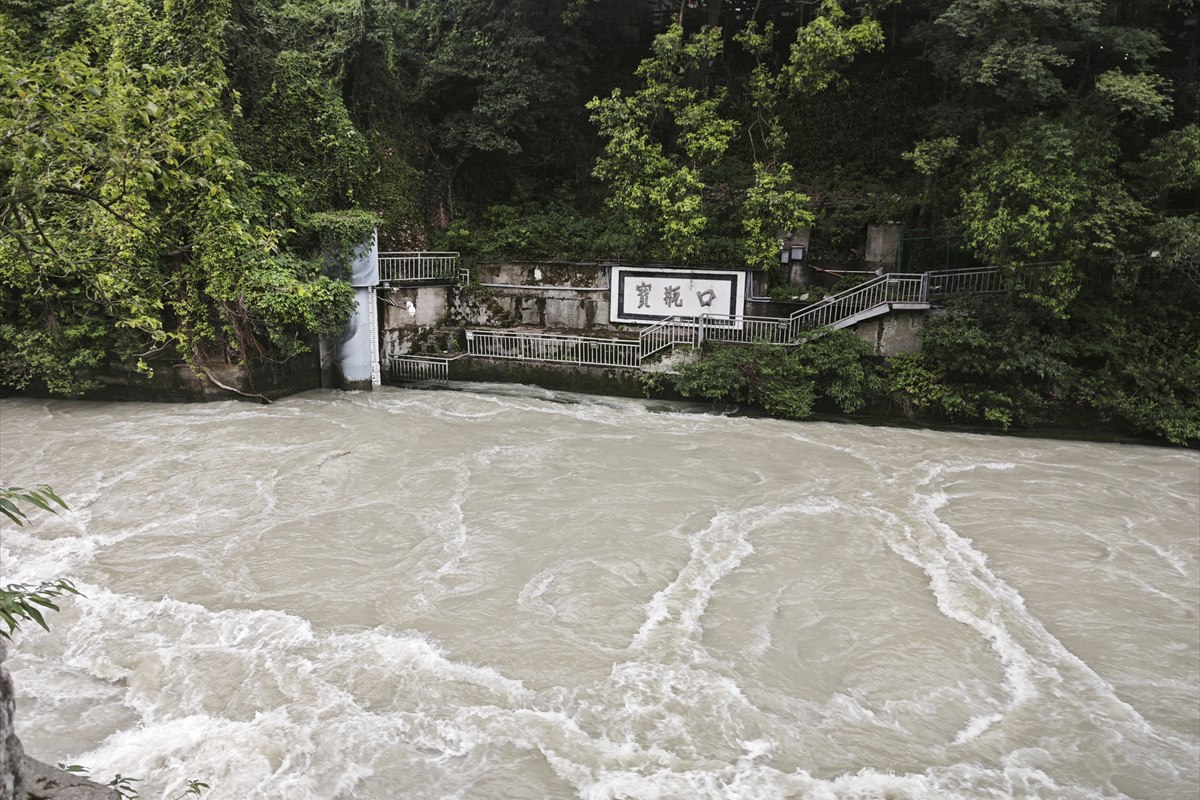
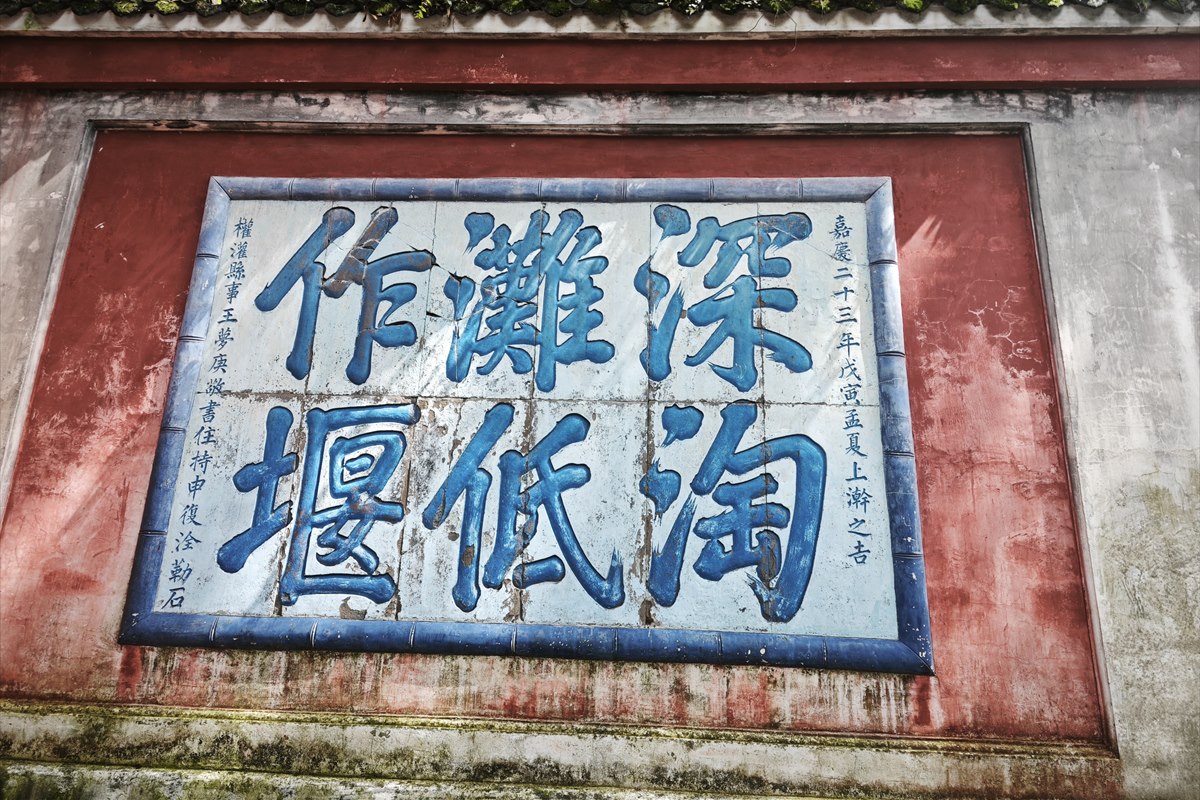
On the hillside above sits Erwang Temple (二王庙), the temple to Li Bing and his son — a stair climb, with a view that frames the whole system in one composition. Higher still, Qinyan Tower (秦堰楼) is the park’s highest point, a 360° overlook of the Fish Mouth levee and the whole works — the most dramatic photo, well worth the climb (peak-season queues for the tower and the Anlan Bridge can top an hour). Anlan Bridge (安澜索桥), the chain-and-plank suspension bridge across the inner channel, is a reconstruction of the Qing-dynasty original on a Song-era design.
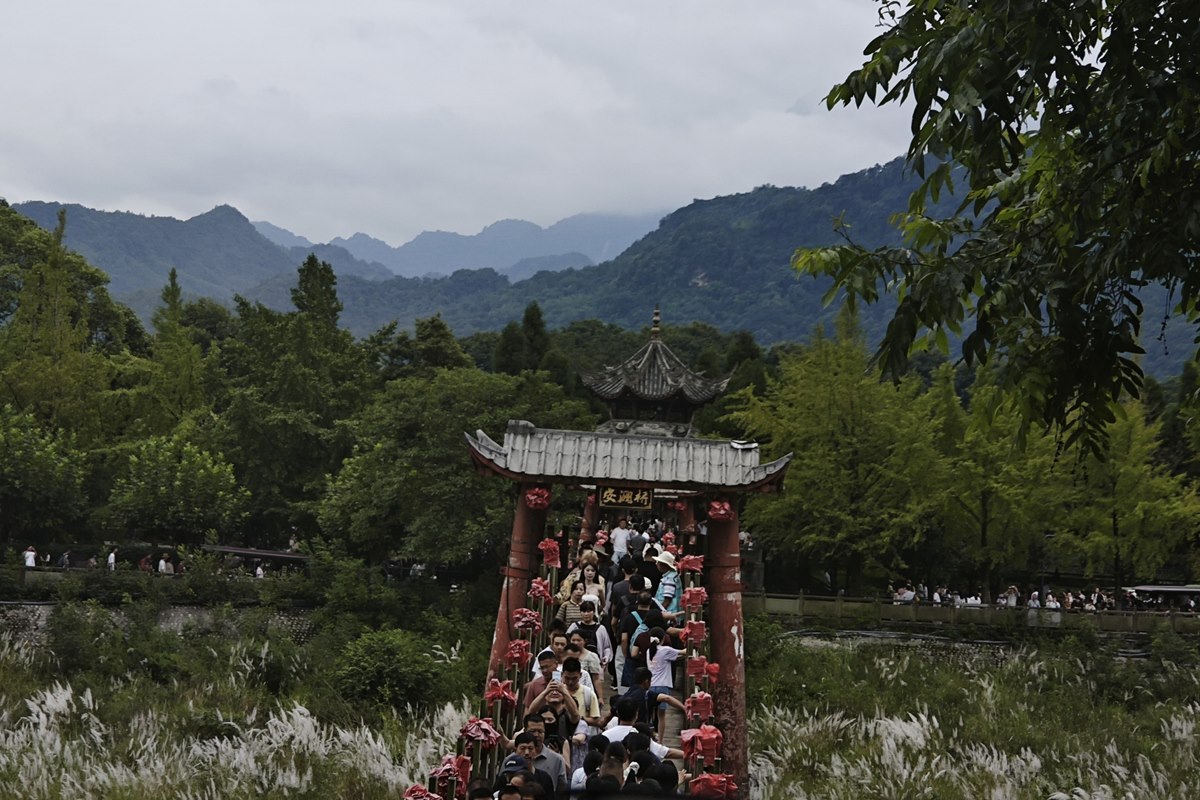
The downhill direction: enter high at the Qinyan Tower gate (秦堰楼 / 六号门) and walk down — 秦堰楼 → Erwang Temple → Anlan Bridge → Yuzui → Feishayan → Baopingkou → Fulong Temple → exit at Lidui Park (离堆公园 / 一号门). Plotted against the coordinates it is a single southward line: 1.72 km of point-to-point legs on a net bearing of 156°, with nothing re-walked except the there-and-back onto the suspension bridge. Allow 3–3.5 hours. The catch is that the HSR delivers you to the bottom gate, so this direction costs a taxi up first — and Qinyan Tower stops admitting at 17:30, half an hour before the park, so an afternoon start loses the viewpoint the direction exists for. Walking it the classic way up from Lidui Park is a modest climb, not a hard one.
Practical: entry ¥80 flat all year, ¥40 for students, free under 6 and over 65. Open 08:00; in peak season ticket sales stop 17:30 and entry 18:00, and from 1 November to 1 March those move back to 17:00 and 17:30. You must book in advance — online real-name reservation with a timed entry window was reinstated in February 2026, reversing the 2024 rule that let you buy at the gate. Four windows a day (08:00–10:00, 10:00–12:00, 12:00–14:00, and 14:00 to the day’s cut-off), bookable up to 15 days ahead on the “青城山都江堰” or “悦游都江堰” WeChat accounts or an authorised platform; the daily cap is 48,000 and the gate windows sell only the residue. A passport is accepted as the booking document, but the automatic gates read mainland ID cards only, so foreign visitors go through the staffed lane with the physical passport. The in-park sightseeing cart (¥10 one way / ¥15 return, 碑亭 to Yuzui) is a 2–3 minute ride that most travellers say to skip — in peak season the queue outlasts the walk. Cash, WeChat Pay and Alipay accepted; foreign-card POS is hit-or-miss.
Dujiangyan Panda Base — the quieter alternative
Panda Valley (熊猫谷, officially the Dujiangyan field-release research base) keeps 30–50 pandas in forested semi-natural enclosures rather than the concrete-and-glass pavilions of the main Chengdu base. The case for going is fewer crowds (especially after 11am, once day-trippers leave) and more time per panda. It is 6 km from the irrigation gate, about 17 minutes by taxi.
Practical: entry ¥55 (¥27 concession, free under 6 / under 1.3 m and at 60+), open 07:30–18:00 with admission stopping 17:00 from 1 May to 31 October and 08:00–17:30 stopping 16:30 from 1 November to 30 April. Book it on its own “熊猫谷” WeChat account — it is a separate reservation from the two scenic areas and travellers report it showing sold out from early afternoon in season. The red-panda free-range area needs a further QR booking once you are inside. Allow ~2 hours for the public loop; the research zone is closed to visitors, and flash is restricted near the older pandas. The on-site canteen serves Sichuan basics for ¥40–60 and saves the taxi back to town.
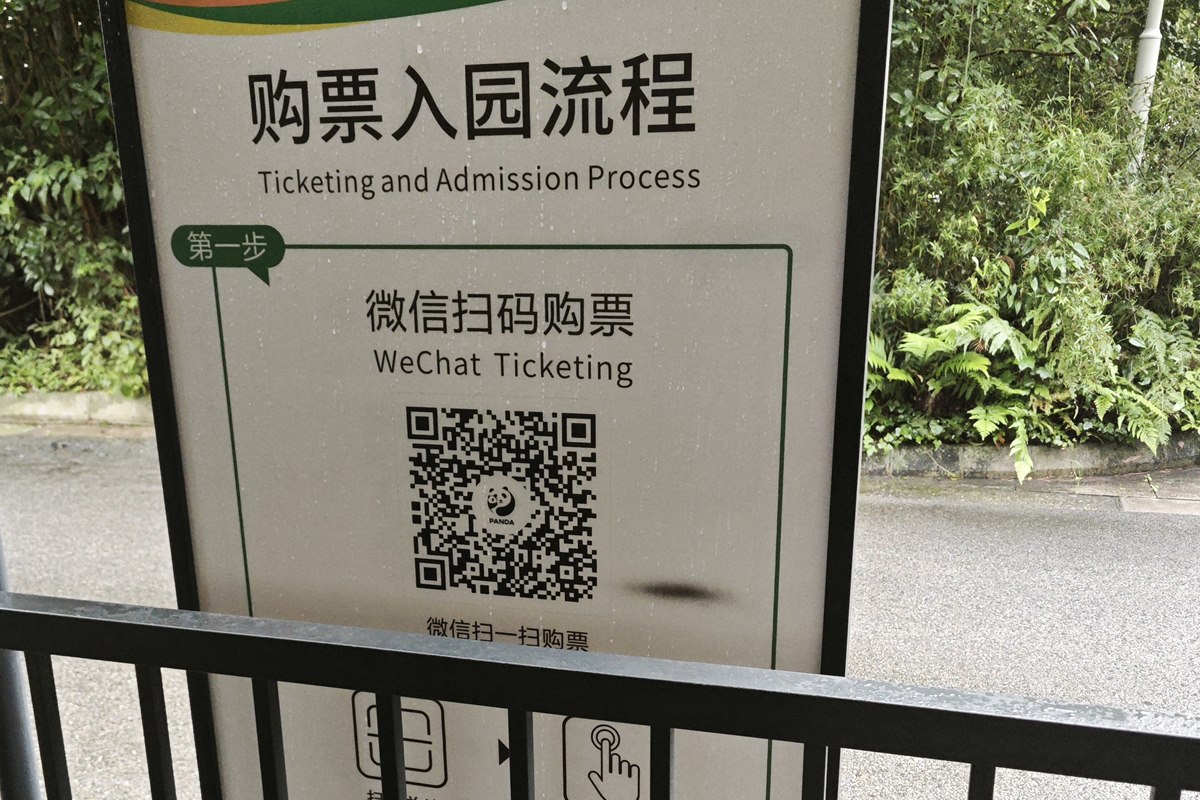
For the full panda comparison (main Chengdu base vs Dujiangyan vs Bifengxia vs Wolong), see the dedicated panda-bases guide.
Volunteer for a day — what happened to it
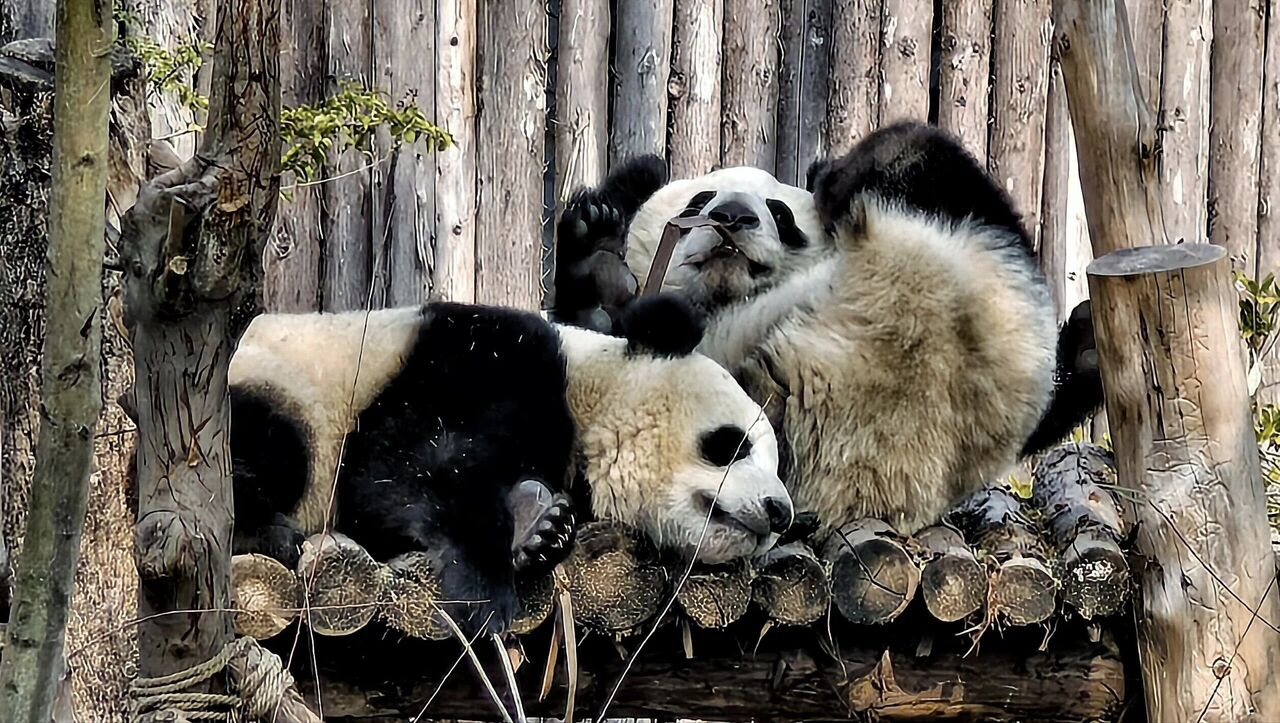
Do not build a trip around this in 2026. The centre that ran the programme is closed for reconstruction with no announced reopening, and the terms — including whether foreign visitors may join at all — are unconfirmed. Everything below is what we can and cannot verify, rather than a booking procedure.
Almost every English guide to Dujiangyan, this one included until August 2026, describes a one-day panda volunteer programme as a foreigner-bookable highlight of the trip. Three things about that are worth getting straight.
It was never at the panda base people mean. The programme ran at the 中华大熊猫苑, the China Conservation and Research Centre’s Dujiangyan base — a different site from Panda Valley, 11 km away from it and 20.9 km from the irrigation system by road. Guides that call it “the neighbouring centre” are describing a taxi ride.
That site is shut. The gates went up on 23 April 2026 for a rebuild, its own map listing still carries the suspended-operations tag, and the operator has said only that the reopening date will be announced later.
And the terms are no longer ours to state. Travellers report that a one-day programme continues elsewhere at around ¥700, with a minimum age of 8, and that it does not accept foreign nationals. We could not find that restriction — or its denial — in any official statement, and the centre has not published current conditions. Given that, the honest advice is to treat the volunteer day as unavailable for planning purposes: do not pay a reseller for a slot described on the old terms, and do not schedule a Dujiangyan trip around it. If you want unhurried time with pandas near Dujiangyan, Panda Valley as an ordinary visitor is the thing that is actually open.
What would change this: a reopening notice from the centre, or a published set of conditions naming who may register. We re-check this page monthly and will restate the procedure when there is an official one to restate.
Mt Qingcheng — Daoism's birthplace
Inscribed by UNESCO in 2000 in the same listing as the irrigation system (joint ID 1001), Mt Qingcheng (青城山, “Green-City Mountain”) is the founding mountain of Tianshi Daoism (天师道, “Way of the Celestial Masters”) — the religious tradition founded by Zhang Daoling at Tianshi Cave in 142 CE. Organised Daoism (as opposed to philosophical Daoism, 500+ years older) traces directly to this mountain, which has two halves:
| Side | Entry | What it is |
|---|---|---|
| Front Mountain 前山, Qiánshān | ¥80 + ~¥60 cable car | The heritage side and the primary visit. Enter via Jianfu Palace (建福宫), cross Yuecheng Lake by ferry (5 min, included), then cable car up to the upper temple terraces — 30 min on foot to Shangqing Palace (上清宫) at the summit, passing Tianshi Cave (天师洞). Allow 2–3 hours with the cable car, 5–6 hours without. |
| Back Mountain 后山, Hòushān | ¥20 | The wild side — waterfalls, longer hikes, fewer temples, almost no foreigners. Beautiful but a separate half-day, not combinable with the irrigation system in 8 hours. Save it for an overnight Mt Qingcheng visit (Daoist hermitage guesthouses run ~¥200/night on the back-mountain trail). |
Practical: Front Mountain open 8am–5pm (last cable car up 4pm); cable car closed for high winds or winter icing. Bring a windbreaker — the upper terraces are 8–10°C cooler than Chengdu year-round. Light is best late afternoon; mornings are often misty until 10–11am.
Tickets, combo deals & foreign payment
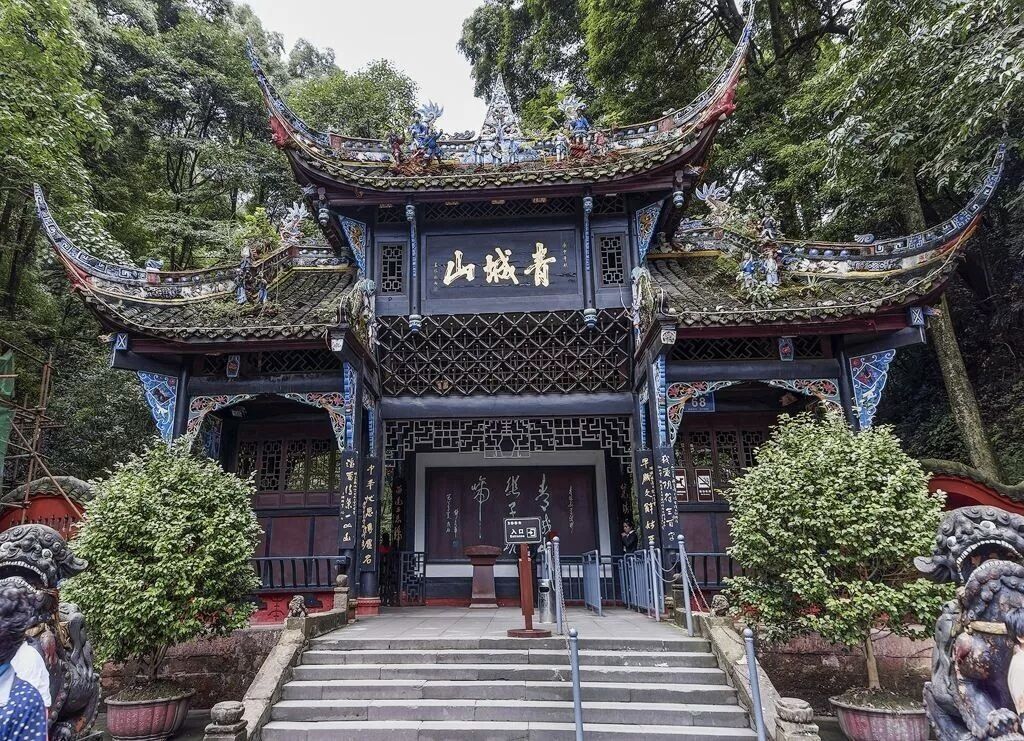
Every line below is booked separately and needs its own timed slot — there is no single ticket that covers the day, and the ¥160 combo is a convenience rather than a saving.
| Item | Price (¥) | Notes |
|---|---|---|
| Dujiangyan irrigation system | 80 | Opens 08:00; sales stop 17:30 and entry 18:00 in peak (17:00 / 17:30 from 1 Nov to 1 Mar). Advance online timed slot required, every day — reinstated 4 February 2026, up to 15 days out, cap 48,000/day. Passport accepted online; staffed lane at the gate |
| In-park sightseeing cart (观光车) | 10 / 15 | ¥10 one way, ¥15 return, 碑亭 to Yuzui — a 2–3 minute ride; most travellers walk it |
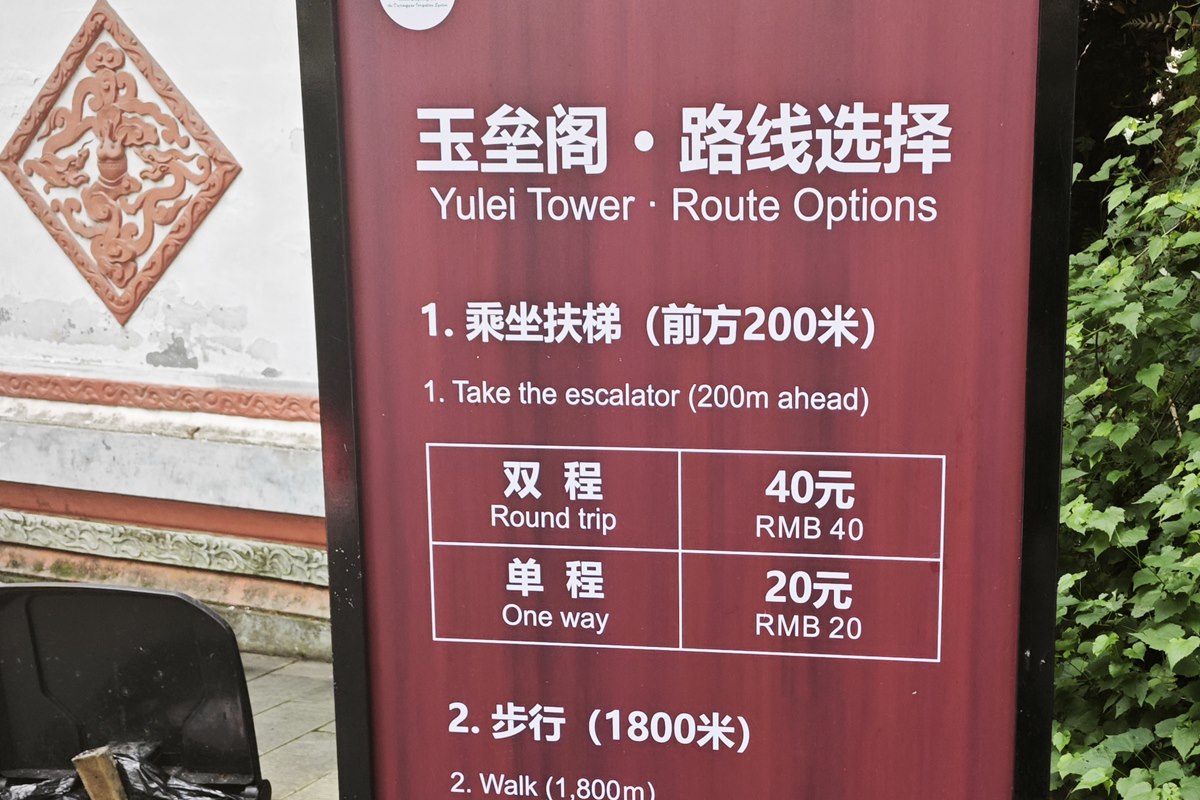
| Buyun escalator 步云廊 (up to 玉垒阁) | 20 / 40 | ¥20 one way, ¥40 two-way, up to Yulei Tower — not covered by admission. The free alternative is signposted at the foot of it: walk 1,800 m up the Songmao Ancient Trail (松茂古道) via West Pass |
| Panda Valley 熊猫谷 | 55 | Summer 07:30–18:00, entry stops 17:00; winter 08:00–17:30, stops 16:30. Own WeChat account, own reservation; ¥27 concession |
| Mt Qingcheng Front Mountain | 80 | Same booking rule and the same separate allocation as Dujiangyan |
| Mt Qingcheng Back Mountain | 20 | Separate gate 12 km west — not combinable in one day |
| Mt Qingcheng cable car | 35 / 60 | ¥35 one way, ¥60 return. Queues run 40–60 min uphill in the summer peak against 20–30 down, which is the argument for walking up and riding down |
| Combined: Dujiangyan + Qingcheng front | 160 | Exactly ¥80 + ¥80 — no discount. Its validity is disputed between one day and two, so do not plan a two-day split on it. Panda base NOT included |
Payment reality for foreign travelers: ticket windows accept cash, WeChat Pay and Alipay. Foreign-card POS machines exist but fail roughly half the time — especially at the Mt Qingcheng cable car window in peak season. Carry RMB 500 cash per person as backup. The Chengdu metro and HSR ticket machines accept contactless Visa/Mastercard reliably; the irrigation system ticket window does not.
Scams to refuse
- “Free entry via a side path” / cheap charter. At the gates, the HSR station and roadside, “helpful” people offering to “sneak you in for free” or a “cheap all-in car tour” drop you at a remote fake viewpoint or a mark-up 农家乐. Use the official ticket gate.
- Low-price tours & forced bundling. Dujiangyan and Mt Qingcheng tickets are independent — nobody can require you to buy a bundle. Refuse the touts.
- Temple fortune-telling. At Erwang Temple and the like, a “guide” or “monk” who reads your fate then pushes a pricey crystal or a “lamp-lighting” blessing is a scam — the temples hand out free incense; smile and walk on.
Book a Dujiangyan day tour or ticketsNASDAQ: TCOM
Rather not work out the HSR, the three taxis and the combined ticket yourself? Trip.com lists bundled Dujiangyan day tours (hotel pickup, English guide, all three sites) and standalone tickets — booked in English on a foreign card.
When to visit (and when to skip)
| Window | Verdict |
|---|---|
| Late Mar–early May | Best — cherry blossoms at the irrigation system, mild 15–22°C, pre-summer rain. |
| Mid-Sep–late Oct | Best — post-monsoon clarity, 18–25°C, autumn light on the temple roofs. Avoid Oct 1–7. |
| April 4–5 | Qingming Water-Releasing Festival — the 2,000-year-old ceremony breaking the Yuzui cofferdams. Cinematic, but 30,000+ visitors in one day. |
| Mid-Jul–late Aug | Skip — peak summer rain; the Min River runs muddy and Mt Qingcheng sits in cloud. |
| Golden Weeks | Skip — Spring Festival, May 1–5 and Oct 1–7 make the panda base unworkable. |
| Single-day Chengdu trip | Skip — Dujiangyan eats your whole day; do the main Chengdu panda base instead. |
The drainage window — a niche pick. From mid-November to early April the inner channel runs low; you can walk onto exposed river bed and see structural details (iron-cramped stone foundations, wooden cofferdam slots) that are underwater the rest of the year. For history travellers this is the better season — fewer crowds, more visible engineering — with the trade-off of cold (5–10°C in the canyon) and possible cable-car closures from icing on the upper terraces.
Combining with Chengdu's other UNESCO day trips
Chengdu has the densest cluster of UNESCO World Heritage day trips in inland China: Dujiangyan + Mt Qingcheng (joint listing, ID 1001), Leshan Giant Buddha (ID 779, joint with Mt Emei), and Mt Emei (also ID 779) — all three doable in a single 5-day Sichuan trip.
The natural sequence: Day 1 main Chengdu panda base + city, Day 2 Dujiangyan + Mt Qingcheng (this guide), Day 3 Leshan, Day 4 Mt Emei (overnight for the summit sunrise), Day 5 a slow-food day back in Chengdu. See the Chengdu things-to-do guide and the 5-day Chengdu itinerary for the broader trip.
Frequently asked questions
Is Dujiangyan worth visiting from Chengdu?
Yes — and it's the most under-rated full-day trip from Chengdu. Three things sit within an hour of the city: a UNESCO irrigation system from 256 BC that still feeds the Chengdu Plain after 2,280 years, the Dujiangyan Panda Base (smaller and quieter than the main Chengdu Research Base), and UNESCO Mt Qingcheng — Daoism's birthplace. You can fit all three into 8 hours. The one thing to do before you go is book: since February 2026 both scenic areas require an online real-name reservation with a timed entry window, and the gate windows sell only what is left over. Skip the trip only if you have less than a full day, or zero interest in either ancient engineering or pandas.
How do I get from Chengdu to Dujiangyan?
Three options. (1) HSR + on-site hop (best DIY): the most frequent service is from Xipu (犀浦, a cross-platform interchange with Chengdu Metro Line 2 — no need to exit the system), with a few direct trains from Chengdu East; ~35-50 minutes, ¥10-22 in 2nd class, frequent departures from 7:00am. Get off at Lidui Park station (离堆公园站): the gate is 860 m away, a 10-15 minute walk. Do not alight at the older Dujiangyan station — it is 6.6 km short of the gate, about 23 minutes by taxi (~¥20) or bus 4. (2) A group day tour with an English-speaking guide (hotel pickup, the sites bundled). (3) Private driver from Chengdu, ¥800-1,400/day — flexible, English-speaking driver harder to find. The HSR option is the easiest DIY in the entire Chengdu day-trip set, and it is also the one that leaves you free to book your own timed entry slot.
Can I see Dujiangyan + the panda base + Mt Qingcheng in one day?
Yes, with a tight plan and an early start — and with three separate bookings made before you leave. The realistic 8-hour structure: 8:00am leave Chengdu → 9:00am Dujiangyan irrigation system (90 min, including Yuzui levee, Feishayan spillway, Baopingkou) → 11:30am Dujiangyan Panda Base (90 min, lunch on-site) → 1:30pm transfer to Mt Qingcheng front gate, which is 11.5 km and about 25 minutes from the panda base → 2:00pm cable car up Front Mountain → 4:30pm descent → 5:00pm return Chengdu. Two things make or break it: the Mt Qingcheng cable car, without which the mountain eats 4 hours instead of 2.5, and the entry slots — Dujiangyan, Mt Qingcheng and the panda base each need their own advance reservation, and if the only Dujiangyan window left is the afternoon one, this order does not work and you should run it backwards.
Is the Dujiangyan panda base better than the main Chengdu base?
Different, not better. The main Chengdu Research Base of Giant Panda Breeding (Chenghua District, north Chengdu) has more pandas, more babies in the nursery, and the headline experience for first-timers. The Dujiangyan Panda Base / Panda Valley has 30-50 pandas in semi-wild forested enclosures, far fewer crowds (especially after 11am once Chengdu day-trippers leave), and more time per panda — you can actually watch one animal for 15 minutes uninterrupted. It is ¥55, opens 07:30, and stops admitting at 17:00; book it on its own '熊猫谷' WeChat account rather than a third-party platform, and expect it to show sold out from early afternoon in peak season. Note that the volunteer programme people associate with Dujiangyan ran at a different site again — 中华大熊猫苑, 11 km away and closed since April 2026. Pick the main Chengdu base if you have one panda morning. Pick Panda Valley if you've already done the Chengdu base or want a quieter forest setting.
How do foreigners book the Dujiangyan panda volunteer program?
Not at Dujiangyan, and not on the terms English guides describe. The one-day volunteer programme ran at the 中华大熊猫苑 (the China Conservation and Research Centre's Dujiangyan base) — a different site from Panda Valley, and 21 km from the irrigation system rather than next door to it. That base closed on 23 April 2026 for reconstruction and has announced no reopening date; its own map listing still carries the 'suspended' tag. Travellers report that the programme continues elsewhere at around ¥700 with an age floor of 8 and that it does not accept foreign nationals, but neither restriction appears in any official statement we could retrieve, and the operator has not published current terms. So: do not build a trip around it, do not pay a reseller for a slot on the old description, and if you want a panda day near Dujiangyan, go to Panda Valley as an ordinary visitor (¥55, booked on its own WeChat account). We will restate the procedure when the operator publishes one.
Front vs back Mt Qingcheng — which one?
For a Dujiangyan combo day, Front Mountain (前山, Qiánshān) every time. Front Mountain is the Daoist heritage side — Jianfu Palace, Tianshi Cave (where Zhang Daoling founded the Way of the Celestial Masters in 142 CE), Shangqing Palace at the summit. ¥80 entry, 2-3 hours with cable car, signed in English-Pinyin. Back Mountain (后山, Hòushān) is the wild side — waterfalls, fewer temples, longer hike, ¥20 entry — beautiful but a separate half-day, not combinable with the irrigation system in 8 hours. Save Back Mountain for an overnight Mt Qingcheng visit if you have one.
What's the combined Dujiangyan + Qingcheng ticket price?
Book before you travel — this is the part that changed. Since February 2026 both scenic areas run on compulsory online real-name reservation with a timed entry window: four windows a day (08:00–10:00, 10:00–12:00, 12:00–14:00, and 14:00 to the day’s cut-off), bookable up to 15 days ahead on the '青城山都江堰' or '悦游都江堰' WeChat accounts or an authorised platform, with the gate windows selling only whatever the online allocation has not taken. That reverses the 1 July 2024 relaxation which most guides — this one included until August 2026 — still describe, so ignore any advice that says you can simply buy at the gate. The two sites hold separate allocations, so a combo ticket still needs a slot booked at each. On price: Dujiangyan is ¥80 and Mt Qingcheng Front Mountain is ¥80, and the ¥160 combo is exactly those two added together — there is no discount in it, and its validity is disputed between one day and two, so treat a second day as a bonus rather than a plan. The panda base is separate again (¥55, and booked on its own WeChat account). The in-park cart (¥10 one way / ¥15 return) and the Mt Qingcheng cable car (¥35 one way / ¥60 return) are extra. A passport works as the booking document, but the automatic gates read mainland ID cards only, so foreign visitors go through the staffed lane with the physical passport. Payment in cash, WeChat Pay, or Alipay; foreign-card POS is unreliable, so carry RMB 500 in cash as backup.
When does the Dujiangyan irrigation system flood / drain (the annual ceremony)?
The Qingming Water-Releasing Festival (清明放水节) is held every year on Tomb-Sweeping Day (April 4 or 5) — the 2,000-year-old ceremony where the wooden cofferdams (杩槎, mǎchá) at Yuzui levee are ritually broken open, marking the start of the irrigation season. It draws 30,000+ visitors and is the single most crowded day at the site, but also genuinely cinematic if you're a history traveler. The drainage period (winter low-water) is mid-November to early April — during this window you can actually walk down onto parts of the inner river bed, which is impossible during high-water season. For most foreign visitors, the best non-festival window is late March through May before summer rains, or late September through October after the rains end.
Sources
Checked August 2026 · Written from our own first-hand travel in China.
Corrected since publication: This page said advance reservation had been dropped in July 2024 — true when written, and reversed when compulsory timed booking came back.