China for Travelers · English-first
China for Foreign Travelers in 2026 — Decision Tools, Verified Data, Native Booking
A free toolkit for the research stage 2 months before your trip — visa eligibility, transit planning, HSR routes, city navigation, booking in your language. Built and verified by travelers, not booking sites.
By China for Travelers Editorial · Chongqing-based · Updated
9 tools live · 173 guides · 24 HSR cities · 103 visa policies tracked
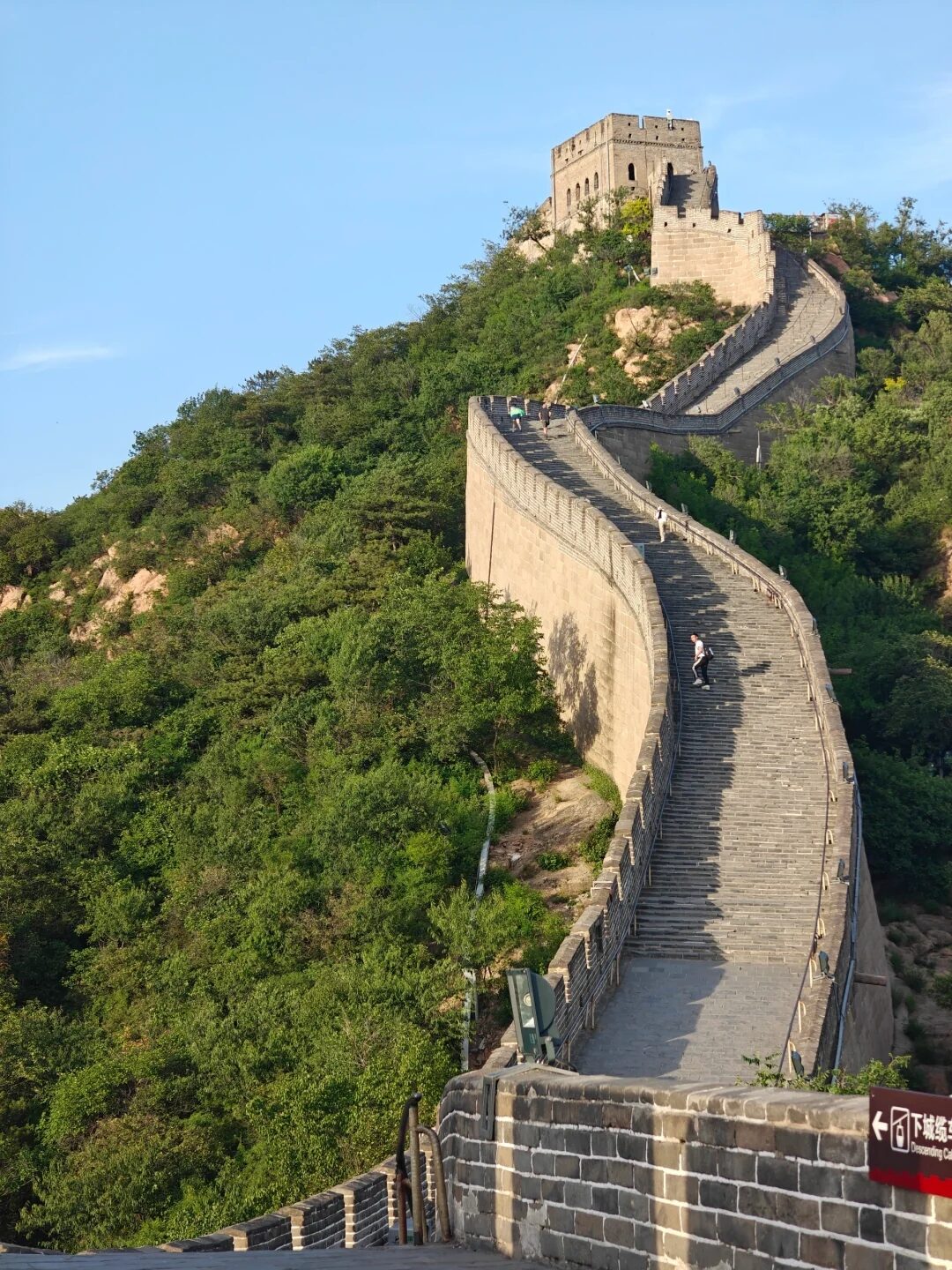
Why China — six reasons foreigners come in 2026
Six angles on the country foreigners keep underestimating — food, history, fantasy landscapes, cyberpunk cities, geographic diversity, modern-life convenience. Each card opens a deep-dive guide written for 2026.

China's 8 cuisines
Most foreigners only know Cantonese-American or Panda-Express Sichuan. The real map covers 8 cuisines, each tied to a province.
TASTE THE 8 CUISINES
Ancient capitals + hanfu
5 great capitals — Xi'an, Luoyang, Nanjing, Beijing, Hangzhou — plus the 2024-2026 hanfu (汉服) revival that put them back on Instagram.
WALK THE CAPITALS
Real-life Avatar — China's fantasy landscapes
Zhangjiajie's Hallelujah Mountains, the ¥20-note Guilin karst, Jiuzhaigou's turquoise lakes, Zhangye's rainbow Danxia. 7 landscapes that look digitally rendered but aren't.
SEE THE FANTASY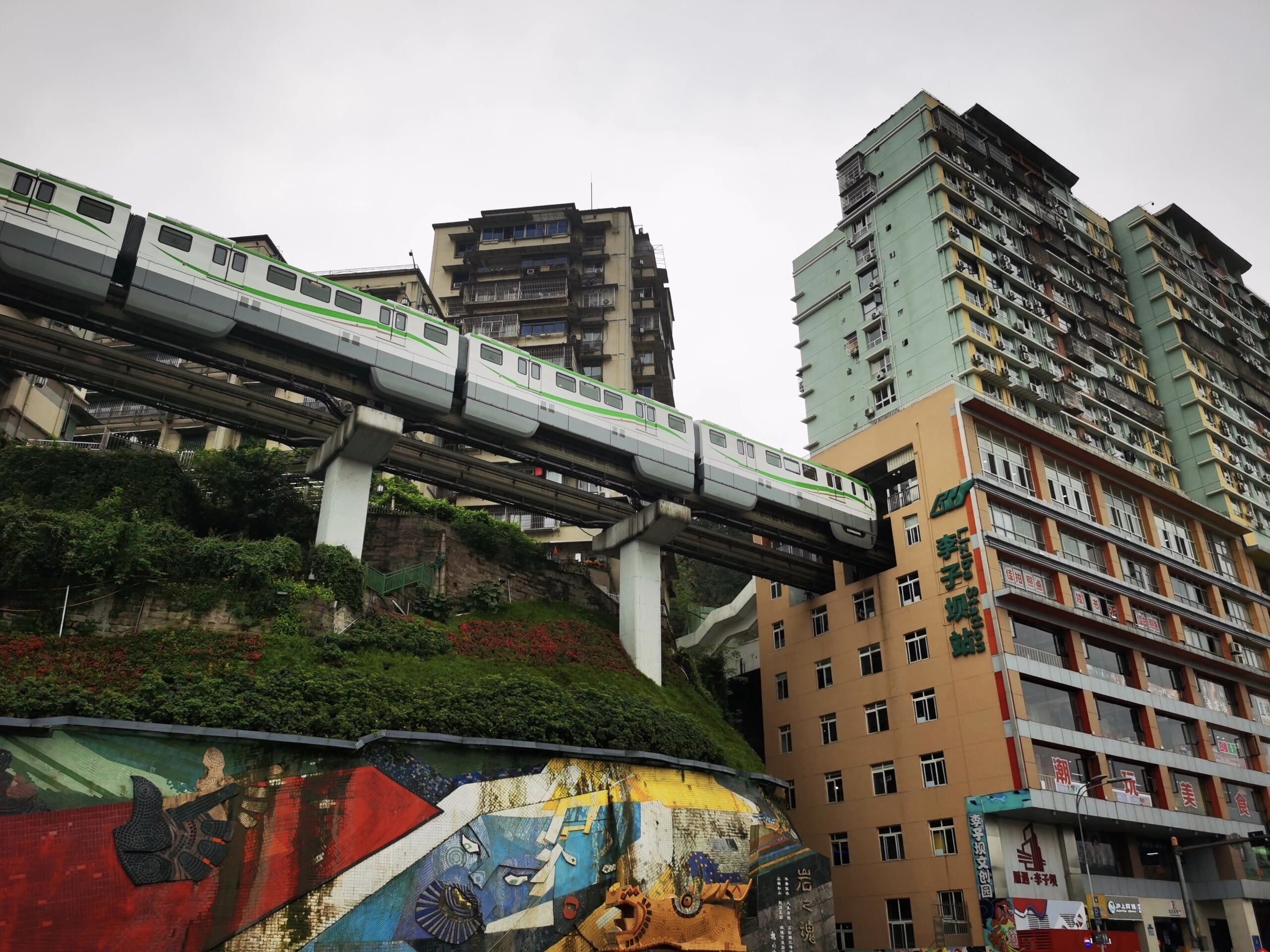
Cyberpunk China
Chongqing 8D city, Shanghai Pudong skyline, Shenzhen Ping An. After dark, China feels more future than the future.
GO CYBERPUNK
One country, every landscape
50° of latitude. 5 climate zones. Desert, snow peaks, tropics, alpine lakes, steppe, sub-Arctic ice, karst — all in one trip. Why China beats Japan/Thailand on diversity.
SEE THE 8 LANDSCAPES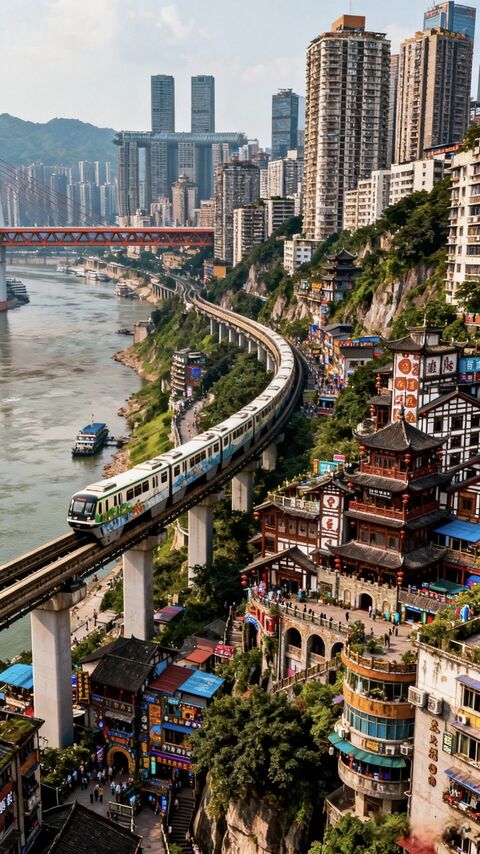
China's modern-life magic
Scan-to-pay for everything. 25-min food delivery at midnight. HSR on time to the minute. The 12 conveniences foreigners notice on day 2 — and miss back home.
TRY THE TECH MAGIC
China at a glance
50,000 km
High-speed rail
World's largest network
56 +
UNESCO sites
Tied with Italy for most
1.4 B
People
World's 2nd most populous
5,000 yrs
Recorded history
Continuous civilization
From “should I go?” to “heading home” — 8 decision stages
Two months before you fly through the day you head home. We own the research and judgment phase; for booking, we recommend Trip.com — China's largest English-language travel booking platform — where you check out directly.
When to go?
Plan the route?
Booking & paperwork?
Before you fly: set up?
On the ground?
6 things foreigners come to China for
The classic must-see experiences. Three are LIVE deep-dive guides; three are next on our roadmap — links below fall back to the closest related guide we've already shipped.

Pandas
Live · Chengdu
4 panda bases compared (Chengdu Research / Panda Valley / Bifengxia / Wolong) — entry fees, why the keeper day is not bookable, and the 8-11am active-window rule.
Read guideVerified
Great Wall
Dedicated guide coming · Beijing
Mutianyu vs Badaling. Half-day trip from downtown by bus or DiDi.
See related guide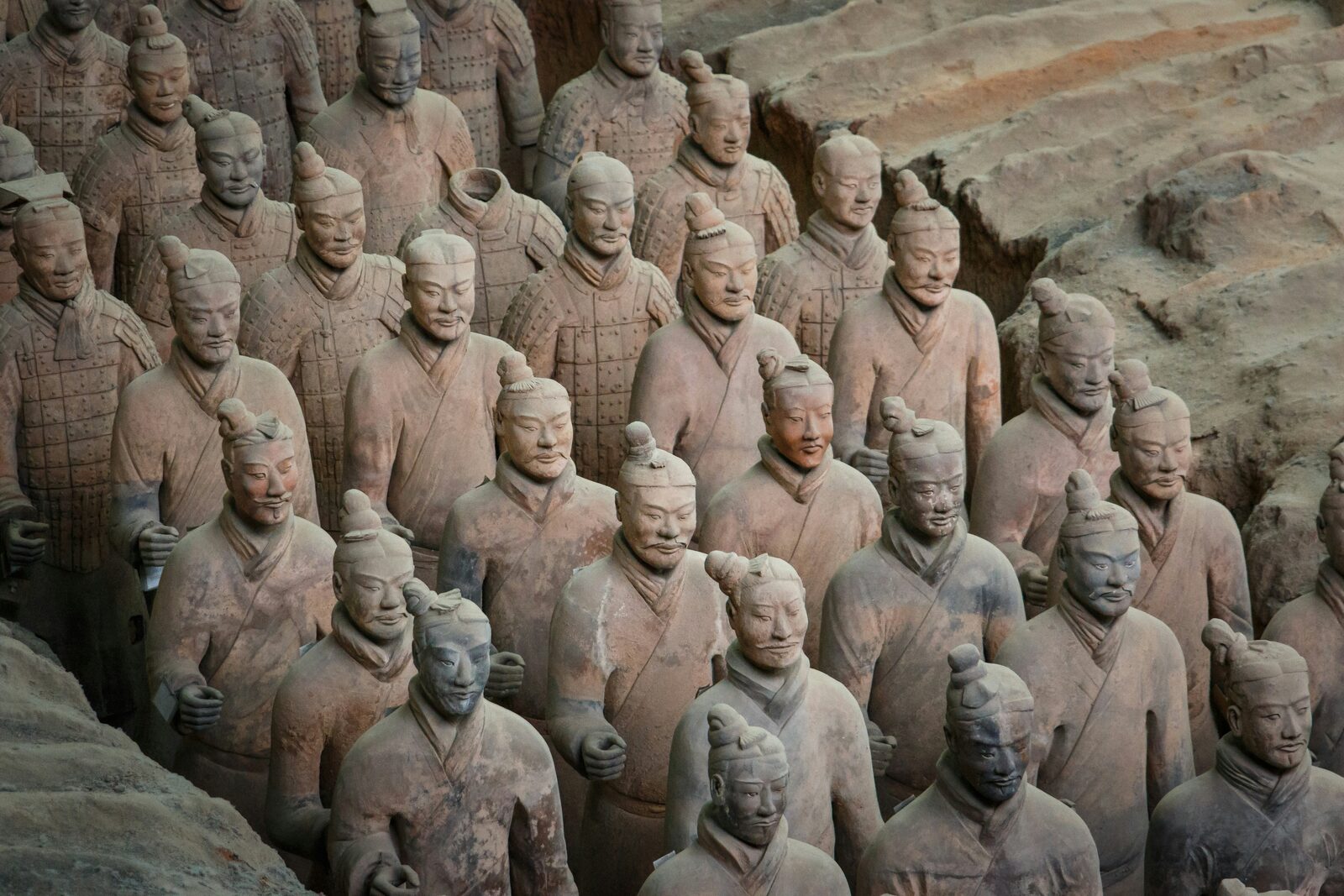
Terracotta Warriors
Live · Xi’an
How to actually visit the 8,000 Qin warriors — ¥120 ticket, the optimal Pit 1 → 3 → 2 → Bronze Chariot order, photo rules, Trip.com tour vs DIY.
Read guideVerified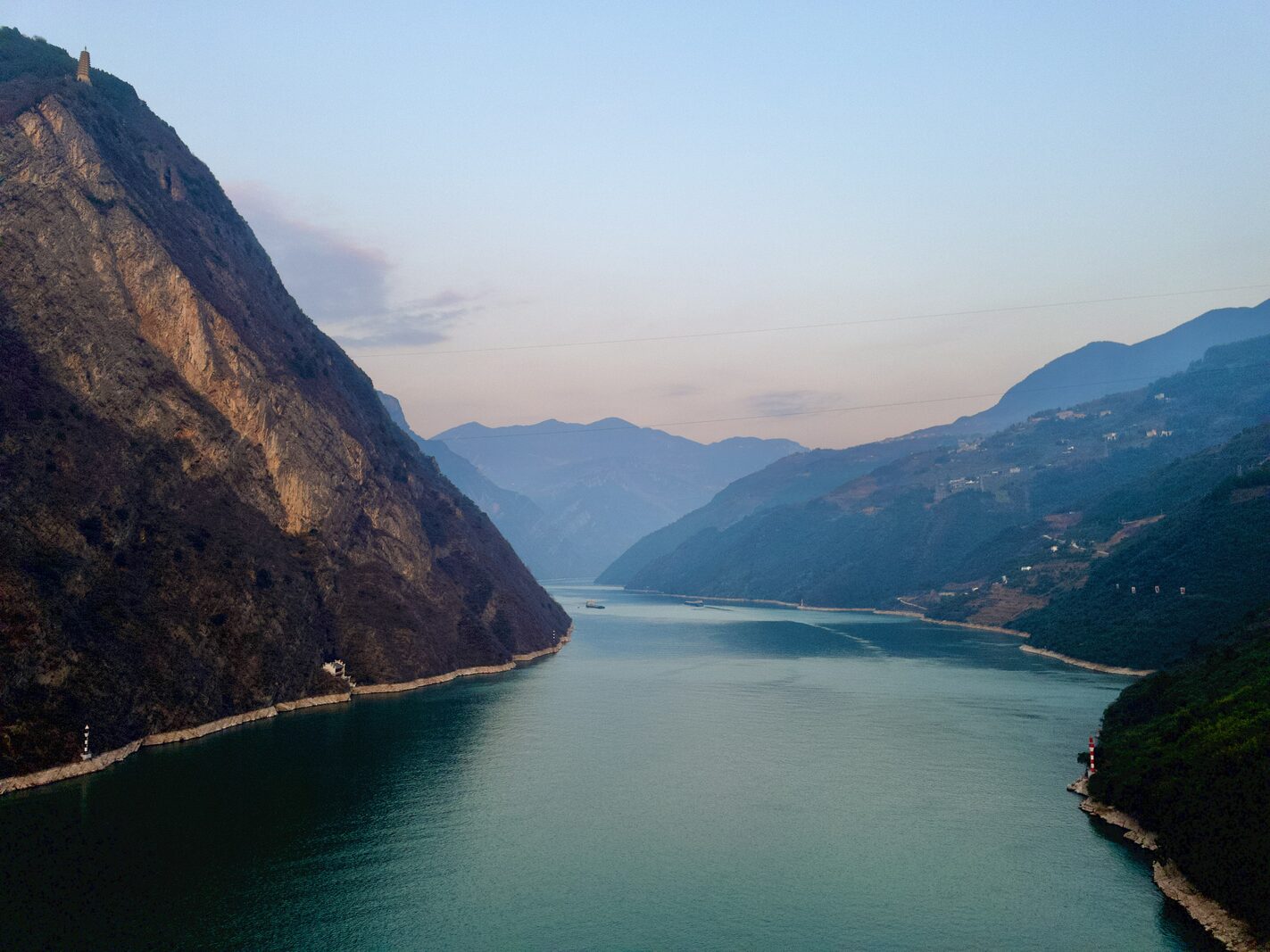
Yangtze Cruise
Live · Chongqing → Yichang
The gorge most ships pass overnight, and why the yuan price you found is not yours.
Read guideVerified
Maglev + the Bund
Live · Shanghai
300 km/h to PVG, then the colonial waterfront. Two iconic shots.
Read guideVerified
Avatar Mountains
Live · Zhangjiajie
Sandstone pillars that inspired the Hallelujah Mountains. Glass bridge optional.
Read guideVerified
12 cities & regions covered
Foreigner-honest hubs — what's iconic vs overrated, where to base, how to pair with the high-speed rail. Chongqing has the deepest first-hand coverage; the others are kept current from r/travelchina, Trip.com signal and editorial visits.
Beijing
Forbidden City + Great Wall · 4-5 days
PLAN BEIJING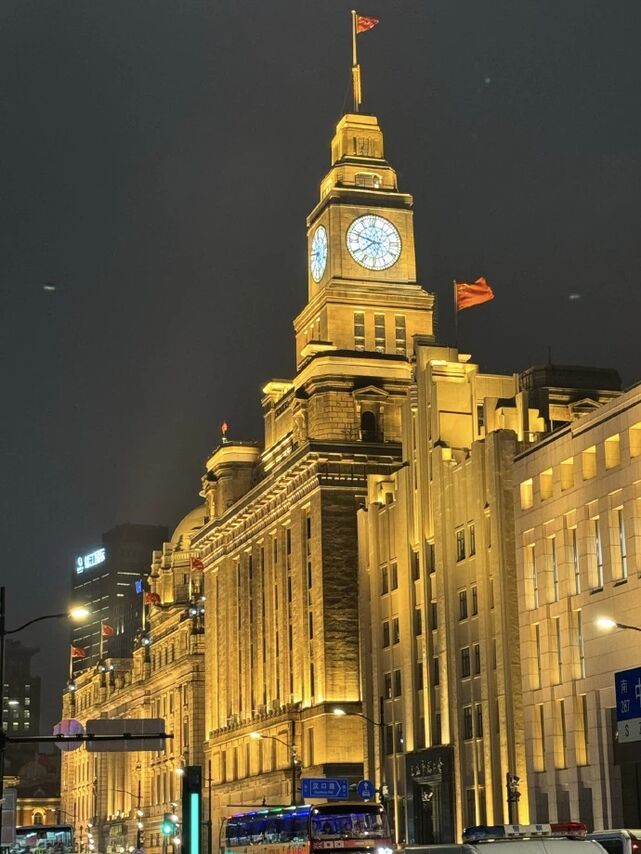
Shanghai
The Bund + Pudong skyline · 3 days
PLAN SHANGHAI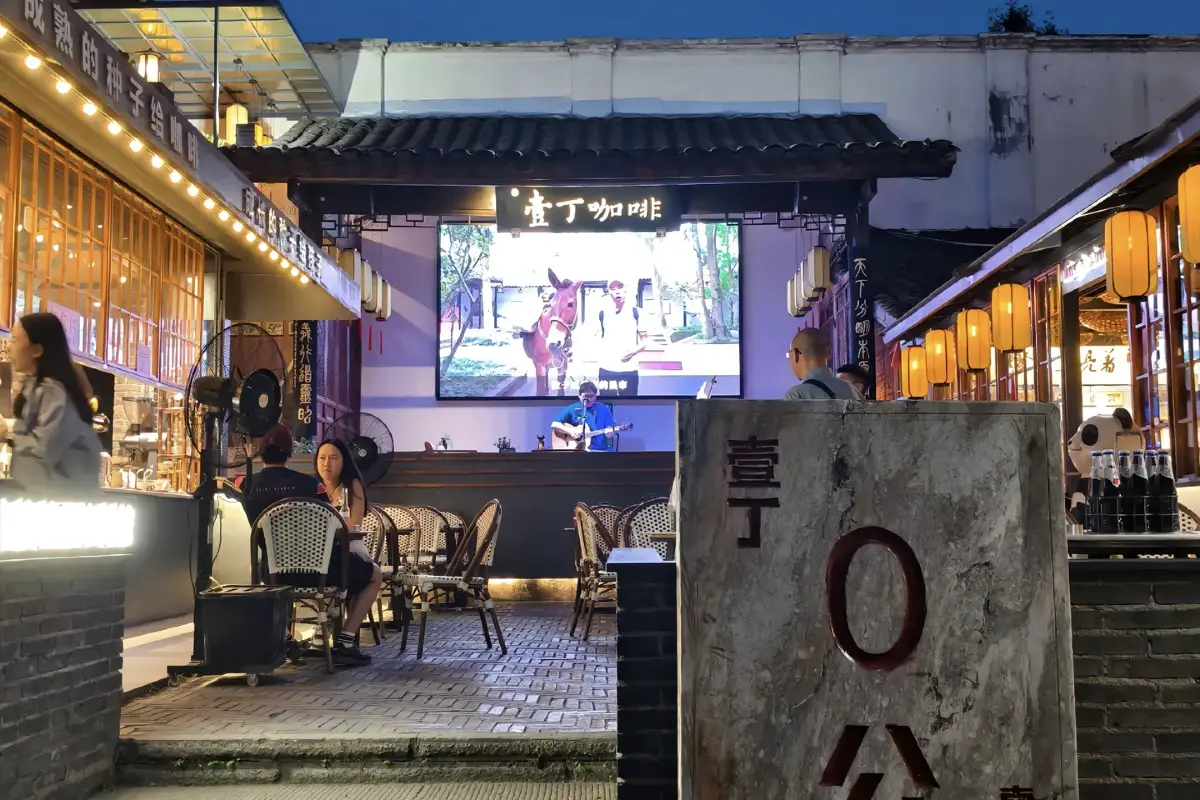
Chengdu
Pandas + Sichuan food · 3-4 days
PLAN CHENGDU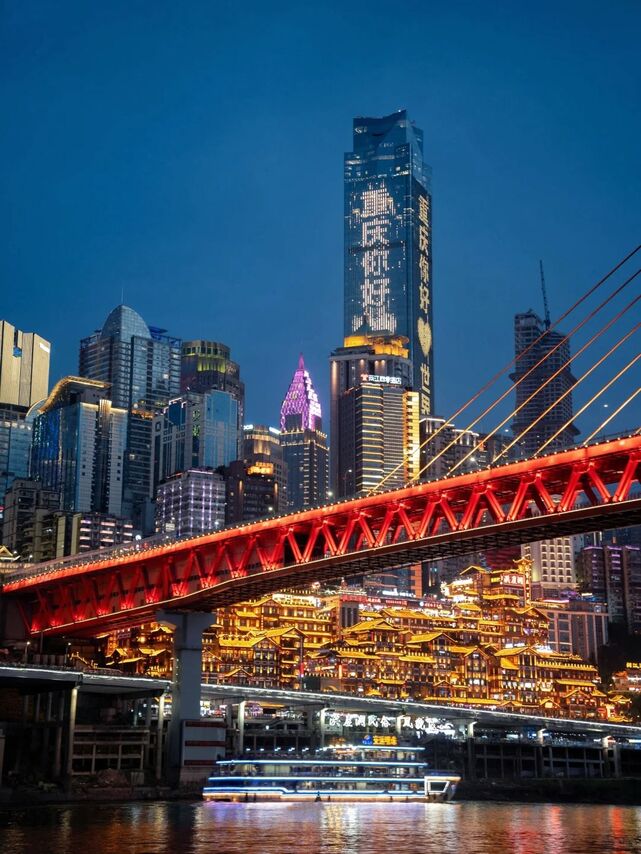
Chongqing
8D cyberpunk + Yangtze launch · 2-3 days
PLAN CHONGQINGXi'an
Terracotta Warriors + City Wall · 2-3 days
PLAN XI'AN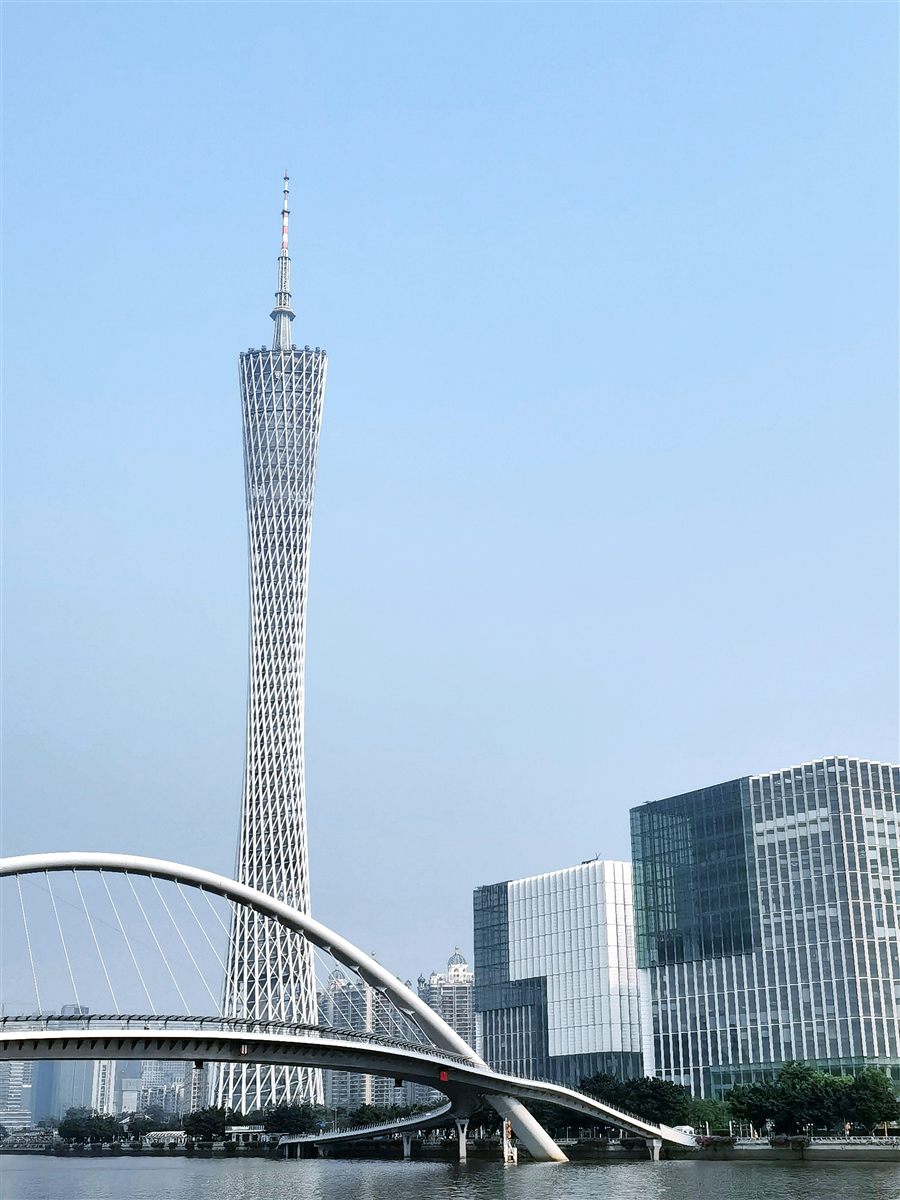
Guangzhou
Cantonese food + HK gateway · 2-3 days
PLAN GUANGZHOU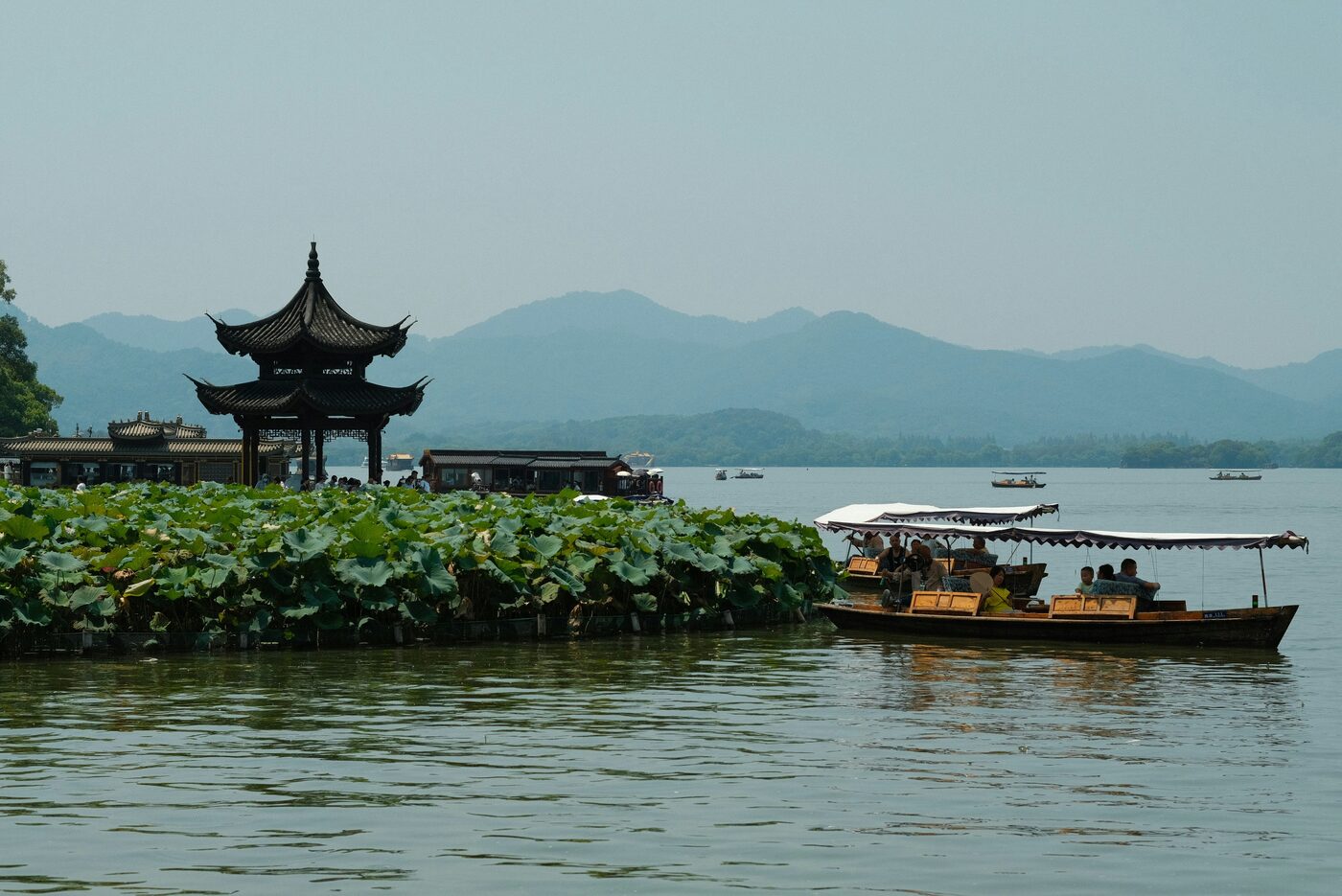
Hangzhou
West Lake + Longjing tea · 2 days
PLAN HANGZHOU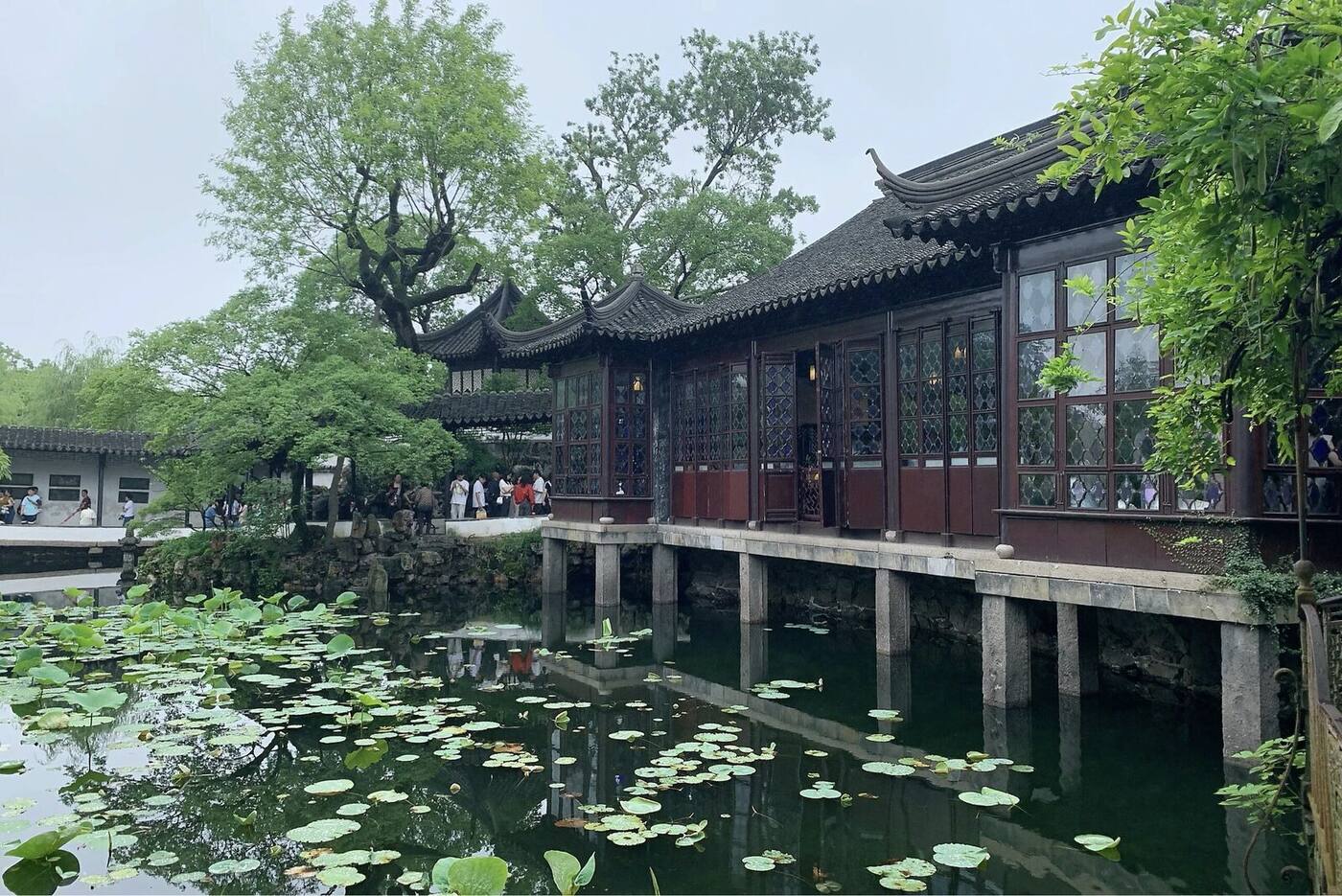
Suzhou
UNESCO classical gardens · 1-2 days
PLAN SUZHOUZhangjiajie
Avatar pillars + Tianmen Mtn · 3-4 days
PLAN ZHANGJIAJIE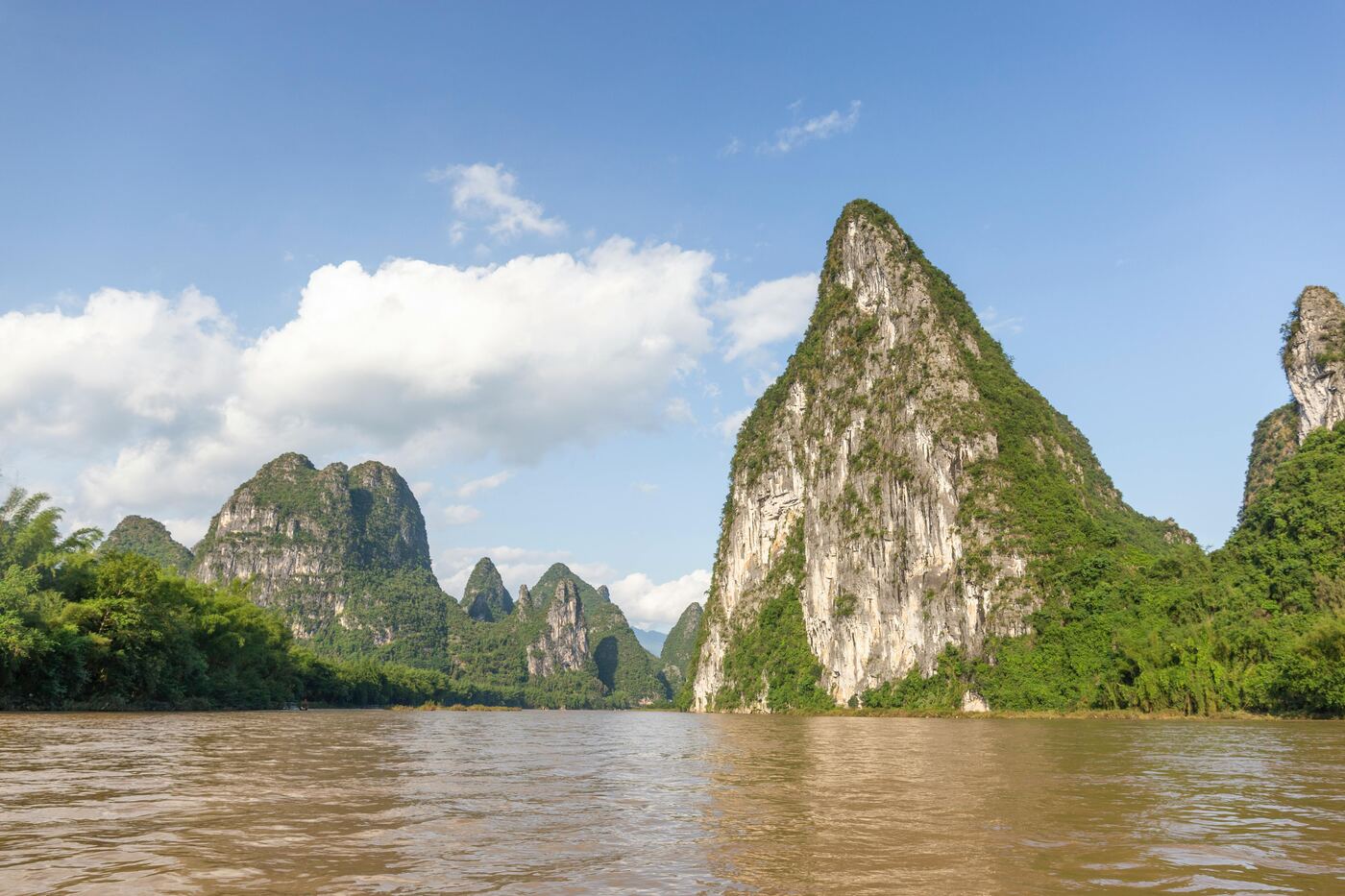
Guilin & Yangshuo
Li River karst landscape · 2-3 days
PLAN GUILIN
Luoyang
Longmen Grottoes (UNESCO) · 1-2 days
PLAN LUOYANG
Yunnan
Lijiang + Tiger Leaping Gorge · 7+ days
PLAN YUNNAN
Most-read guides
Long-form references that back up what the tools tell you — booking, decision frameworks, and the high-stakes ones.
- planning
China Travel Advisory 2026: Level 2 Explained + Real Risk
Why China is at Level 2 (not 3) in 2026, what the US/UK/CA/AU government advisories actually mean for tourists, and how it changes by traveler type.
READ THE ADVISORY - planning
How Much Does a China Trip Cost? 2026 Budget Guide
Real 2026 China trip cost: $30–300/day by style. 14-day mid-range $2,300–3,200 all-in including flights. Compared to Japan, Thailand, and Vietnam.
READ THE COST BREAKDOWN - planning
Best Time to Visit China: 2026 By Region & Month
Late Sep–Oct and late Mar–May for most cities. Yunnan year-round. Tibet Apr–Oct. Avoid Spring Festival and the Golden Weeks (May 1, Oct 1).
CHECK THE BEST TIME - planning
China Pre-Trip Checklist 2026: What to Set Up Before You Fly
Set up Alipay + WeChat Pay, a roaming eSIM, and DiDi before you board. Plus airport arrival, hotel rules, real-name booking, scam alerts, dietary phrases.
OPEN THE CHECKLIST
Frequently asked
The questions foreign travelers ask 2 months before flying. Click any to expand.
Do I need a visa to visit China in 2026?
Most UK, EU, Australian, Japanese, Korean, and (since 17 Feb 2026) Canadian travelers can enter China visa-free for stays up to 30 days — China's unilateral visa-free policy now covers 50+ nationalities. US passport holders still need a visa but can use the 240-hour visa-free transit (now 65 ports across 24 provinces) for connecting trips through a third country. Check your specific nationality with our visa checker tool (107 countries covered, daily Wikipedia-hash freshness verification).
What is the 240-hour visa-free transit?
A policy that lets travelers from 50+ nationalities transit through China for up to 240 hours (10 days) without a visa, when entering and exiting via different countries. You enter via approved ports (60+ airports, train stations, sea ports) and can stay within designated regions. Use our 240-hour transit planner to check eligibility and pre-built itineraries.
How do I book China high-speed train tickets in English?
Two paths: (1) the official 12306 app now has English mode and accepts foreign passports + foreign credit cards. (2) Trip.com resells the same inventory in cleaner English UX at the same 12306 face fare, with no booking fee (spot-checked July 2026). Use 12306 first — switch to Trip.com only if it frustrates you. Tickets open exactly 15 days before departure; book early for popular routes like Beijing-Shanghai.
Which Yangtze River cruise is best?
Several lines cruise Chongqing → Yichang (Three Gorges) with English-speaking crew: Century Cruises (newest hardware), Victoria Cruises (US-based, the most consistent English service), President Cruises (mid-range), Vista (new in 2026, sold all-inclusive), Yangtze Gold, Changjiang, and the 124-guest Yangzi Explorer at the luxury end. The standard sailing is 4 days / 3 nights downstream, sold one way, from about $520 per person. Our buyer's guide compares ships and cabins — and the thing that actually decides the trip, which sailings pass the gorges in daylight rather than overnight.
How many days do I need in China?
7-10 days for a focused trip (Beijing + Shanghai + one other city). 14 days lets you add Xi'an + Chengdu/Chongqing + a UNESCO day trip. 21 days is the sweet spot if you want to include Yunnan or Tibet, or do a Yangtze cruise. Our HSR map shows the realistic city-pair travel times so you can plan honestly.
When is the best time to visit China?
Mid-September through October and April through May — clear skies, mild temperatures, manageable crowds. Skip January-February (cold + Spring Festival travel chaos), avoid the May 1 and October 1 Golden Weeks (sites mob, prices triple). July-August is hot and humid in most cities; Yunnan and Tibet are the summer exceptions.
Is data on chinafortravelers.com verified?
Yes. HSR prices, daily train counts, and station data are sampled monthly from China Railways' 12306 system. Visa policies are checked against official government sources. City attractions are verified on-site by our editor (Chongqing-based, in-region access). Each guide article shows its last-verified date.