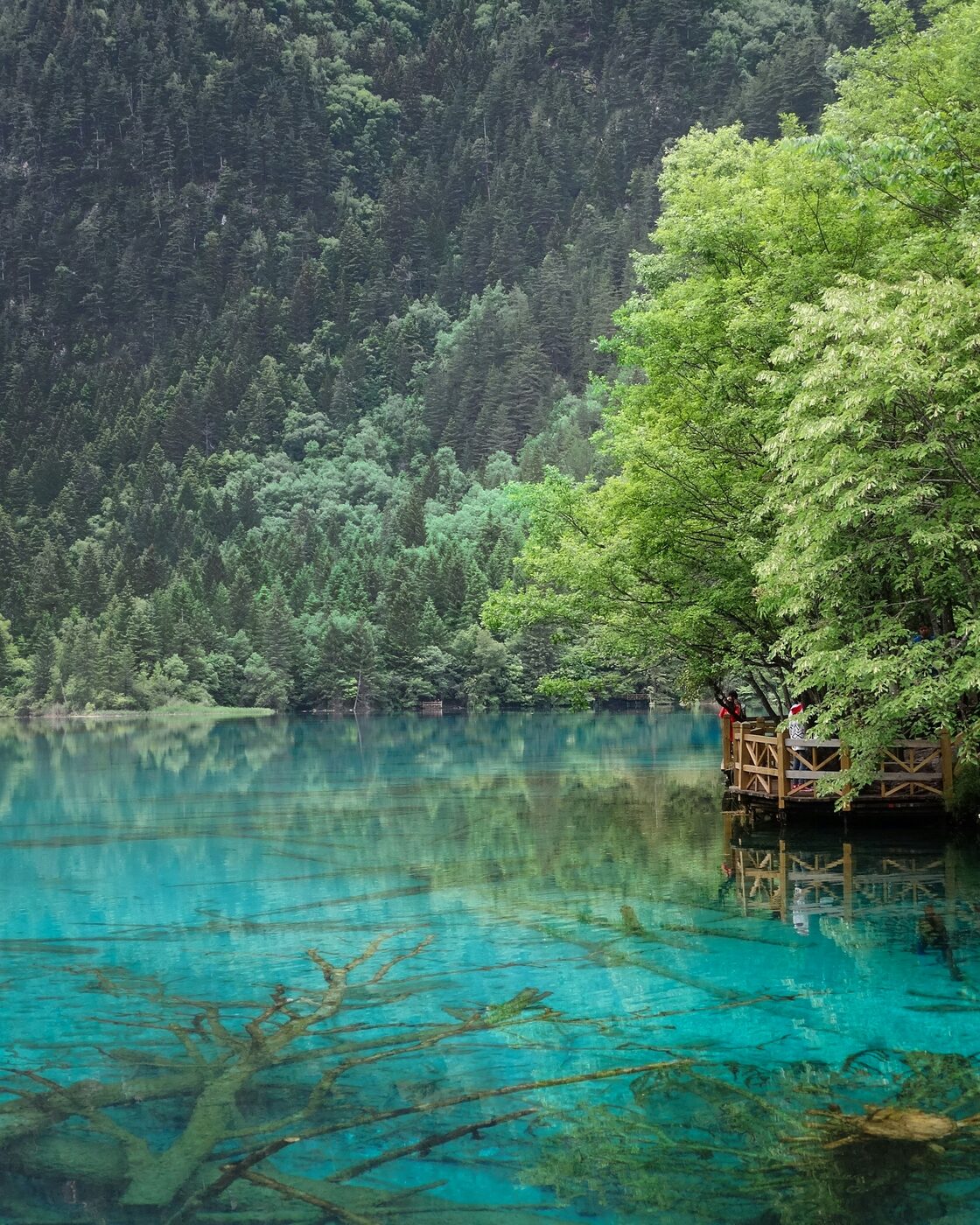
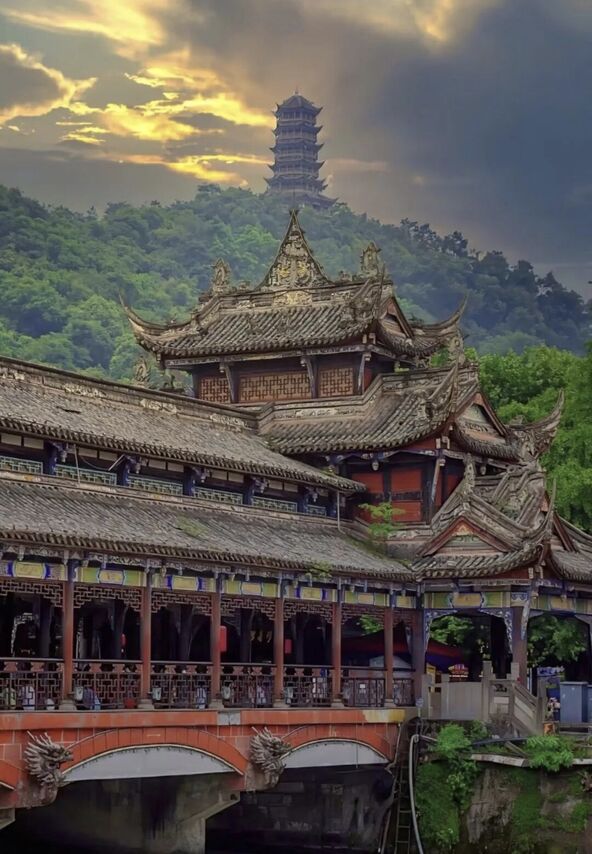
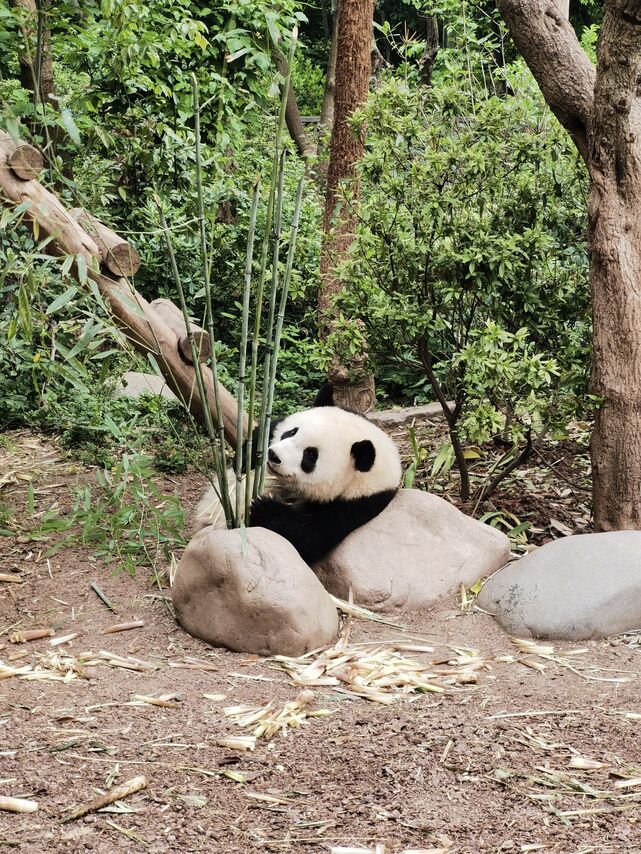
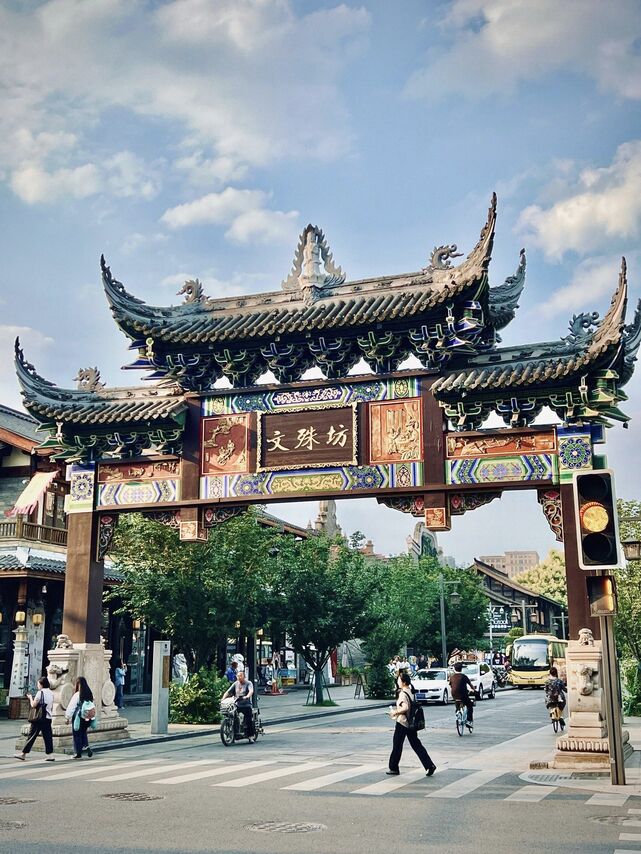
The city is the easy part — pandas in the morning, a teahouse in the afternoon, and an opera at eight. What takes the planning is the ring of mountains and UNESCO sites around it, and how many of them a trip can actually hold. Here is where each of our Chengdu guides fits.
China for Travelers·Four UNESCO World Heritage sites within a day of the city
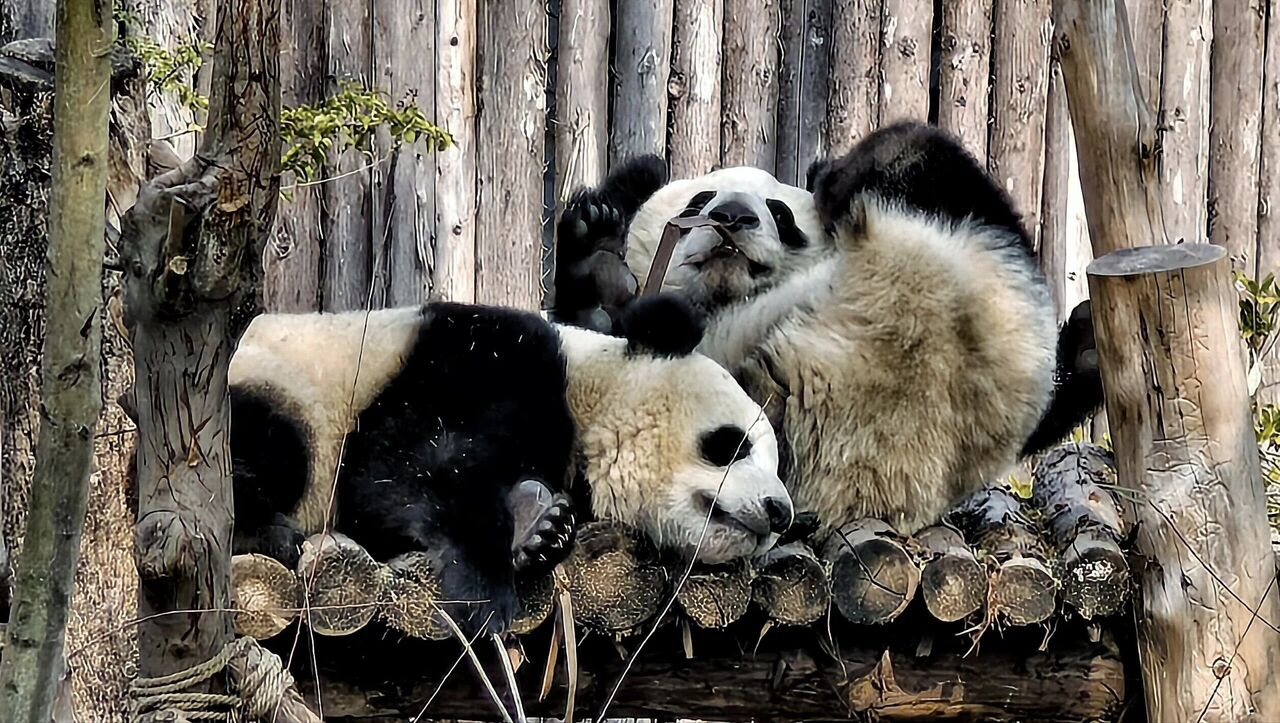
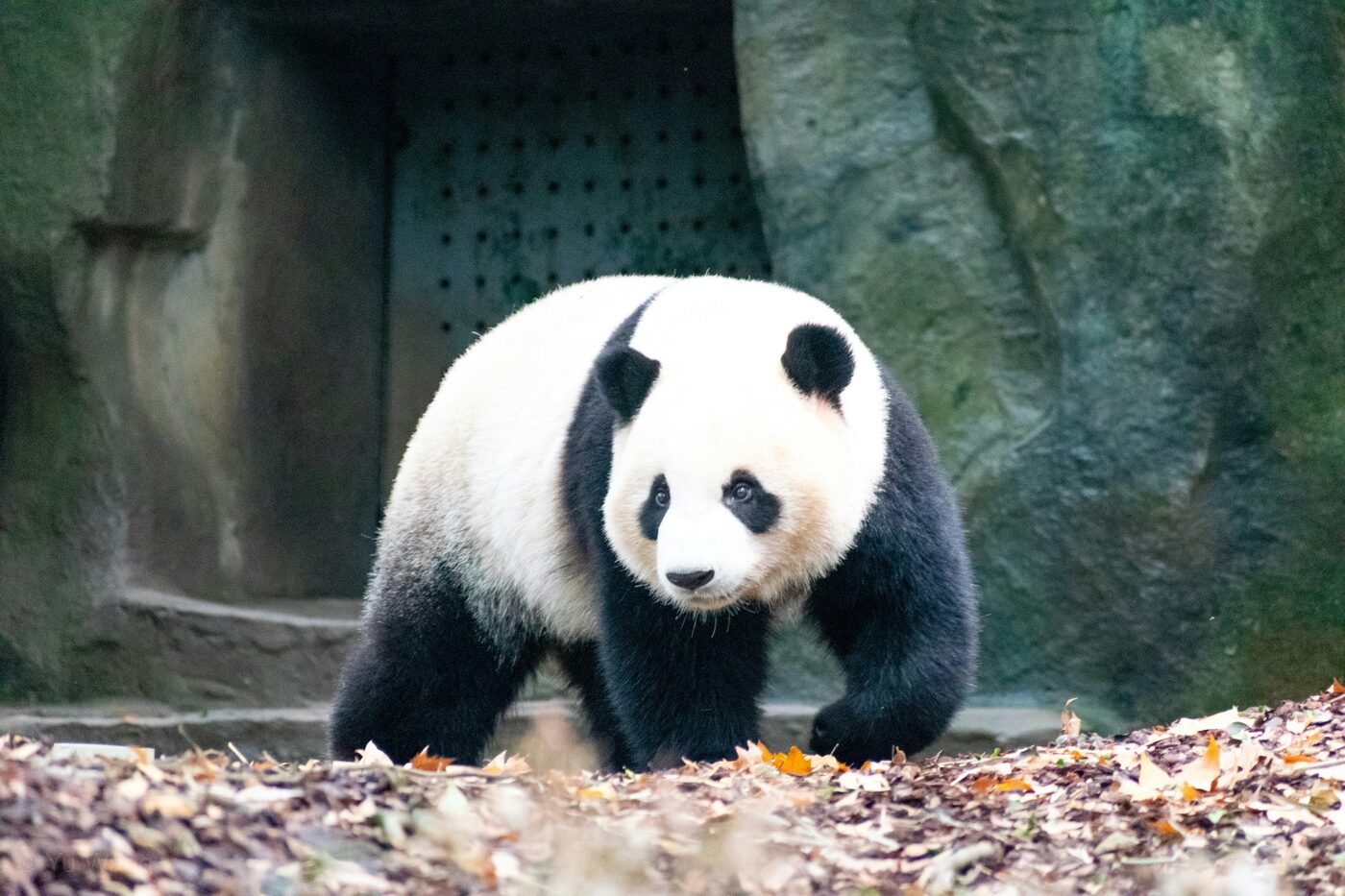
Panda base
¥55
Morning ticket, 07:30–12:00
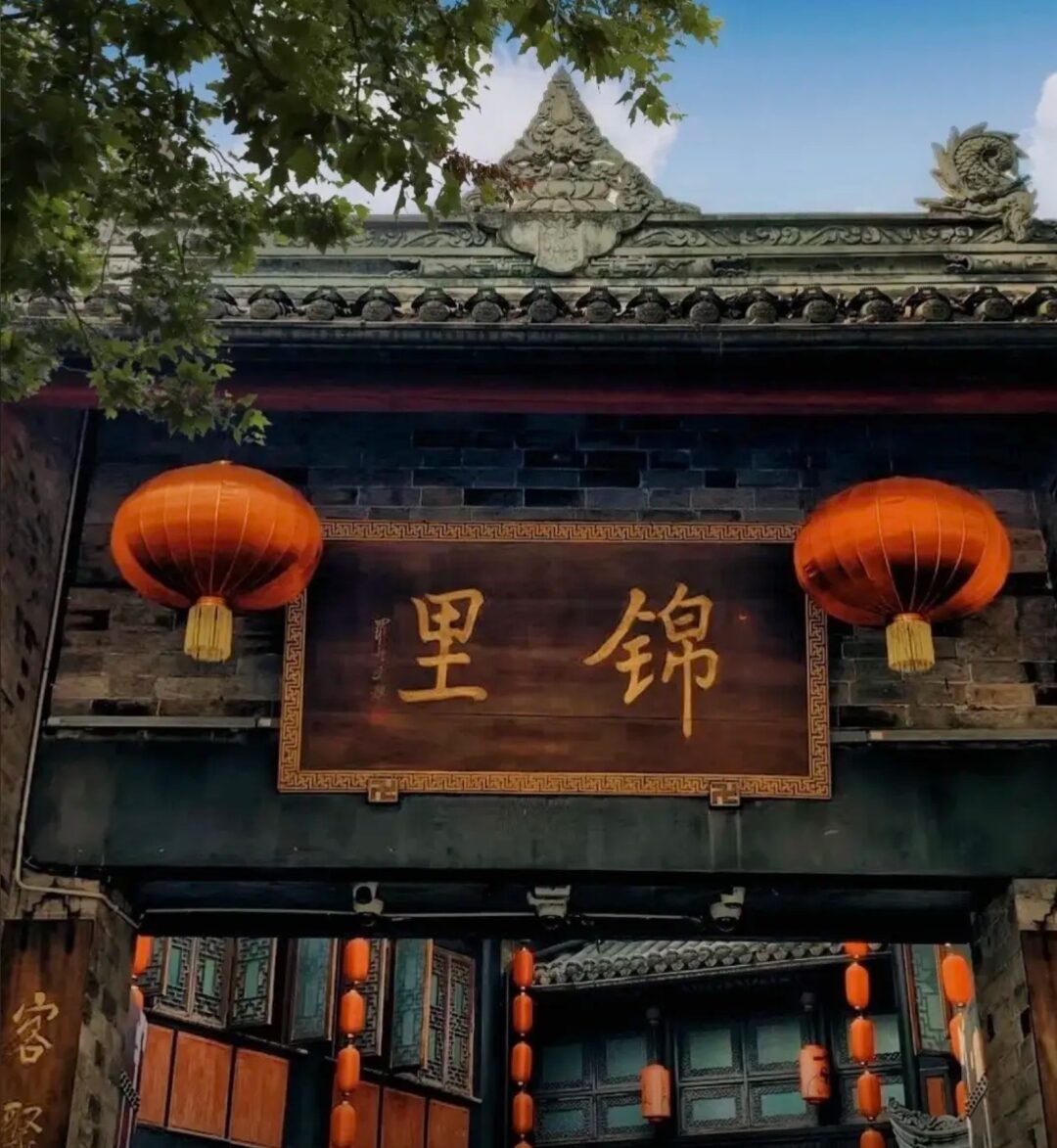
Wuhou Temple
¥50
Jinli next door is free
Sichuan opera
from ¥80
One show nightly, 20:00
Give it
2-4 days
Two for the city, then mountains
The two mistakes that cost the most here are both bookings: an afternoon panda ticket admits you to a park of sleeping animals, and the Leshan and Emei trains leave from Chengdu East rather than Chengdu South.
First time here?
One easy city, ringed by hard days out
Chengdu itself asks very little of you: the old-street core is walkable, the metro reaches everything, and the two evenings that matter are an opera and a hot pot. The pandas are the exception inside the city — 10 km north-east, and a morning of their own rather than a stop on a walk. Two days covers all of that. Everything beyond it is a day trip, and the day trips are where the planning goes.
01
The panda base
2-4 h · ¥55
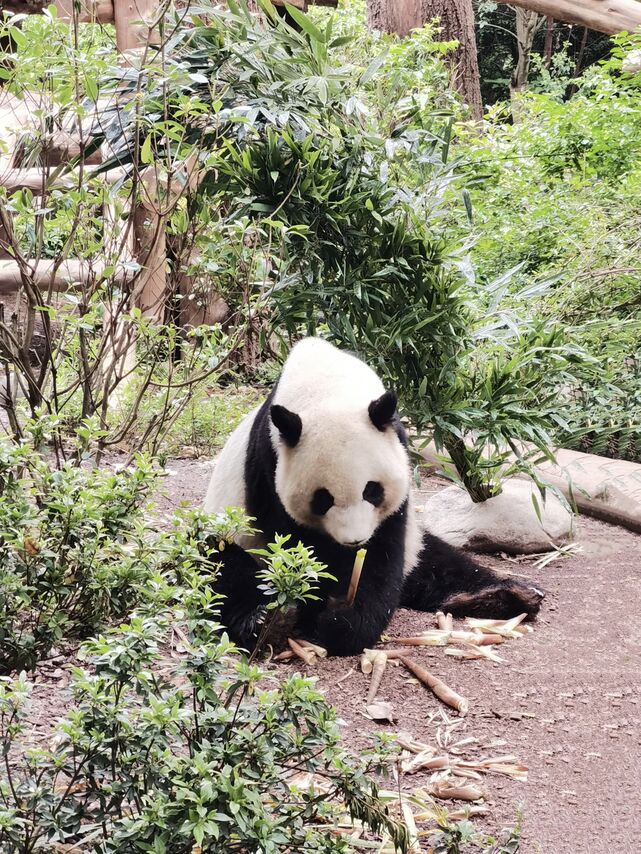
The reason most people come, and the one sight here you can get badly wrong at the booking stage: the base sells a morning and an afternoon ticket at the same price, and the animals are awake for the first one.
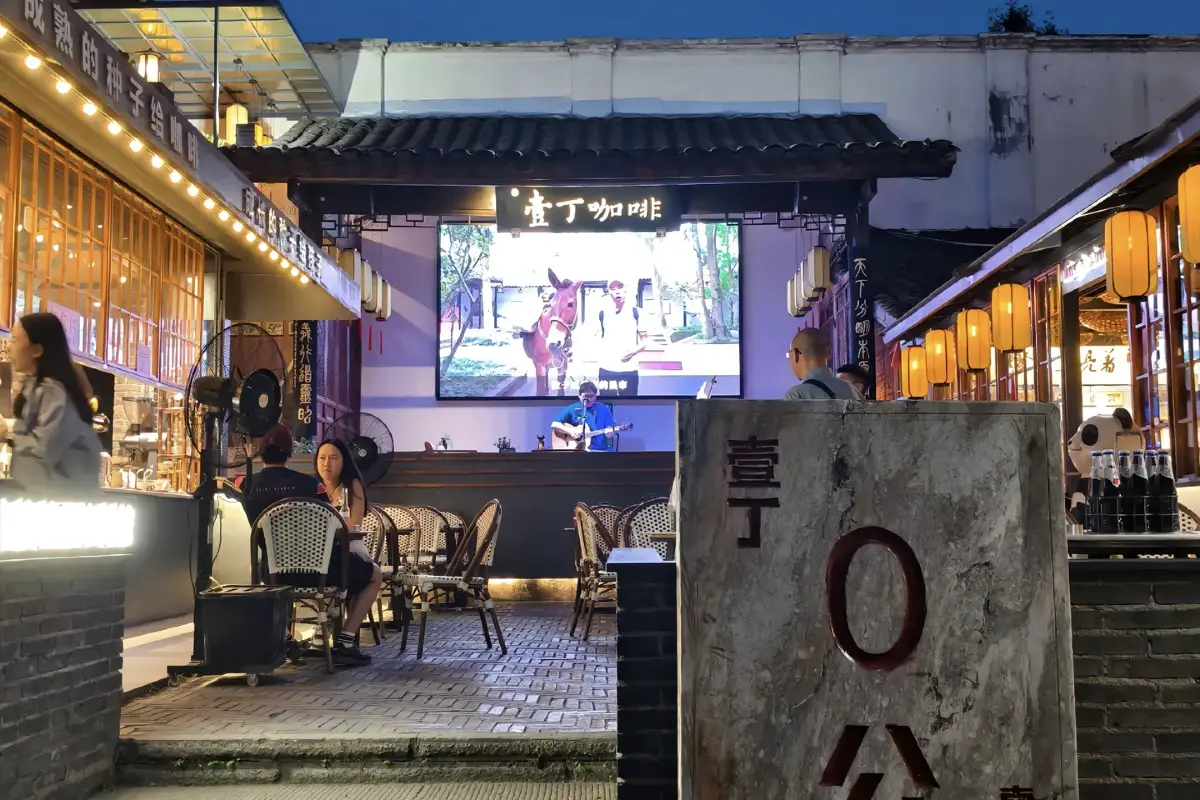
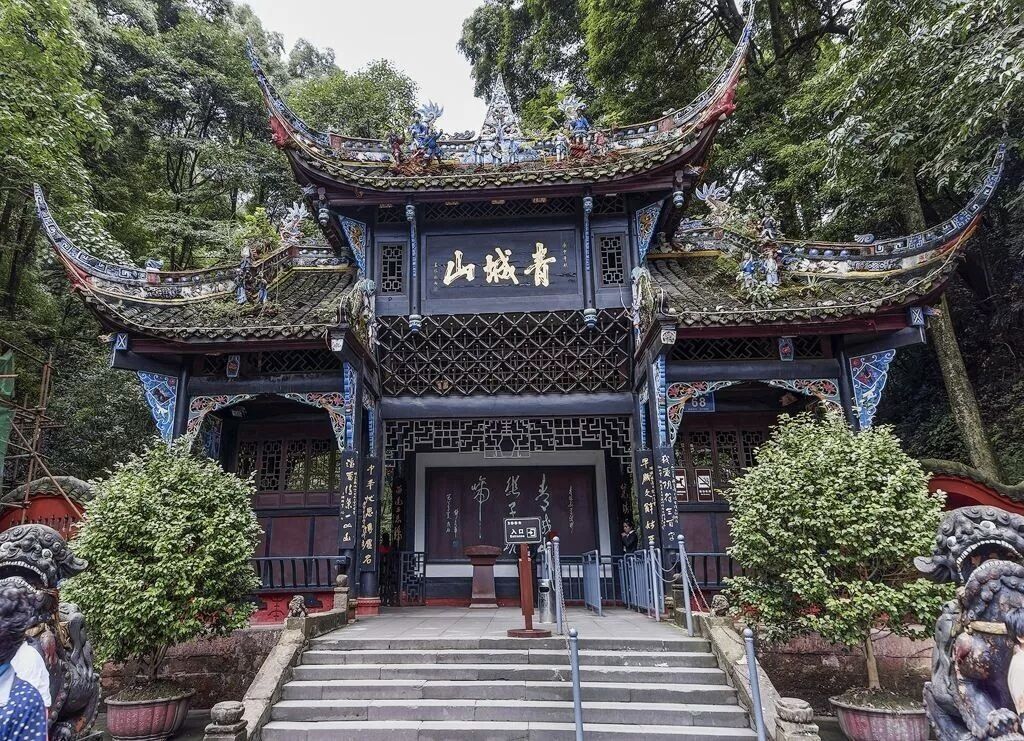
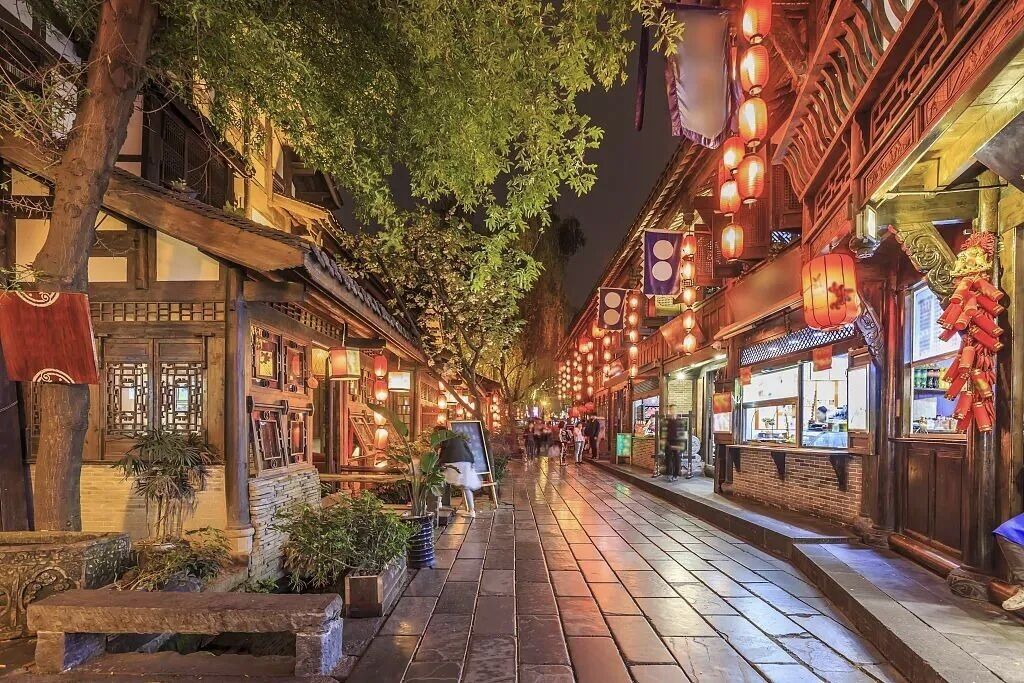
A free lantern-lit lane most people photograph and leave, attached to a ¥50 shrine to Zhuge Liang that is the older and better half. They share a gate, so doing only the lane is a choice rather than an accident.
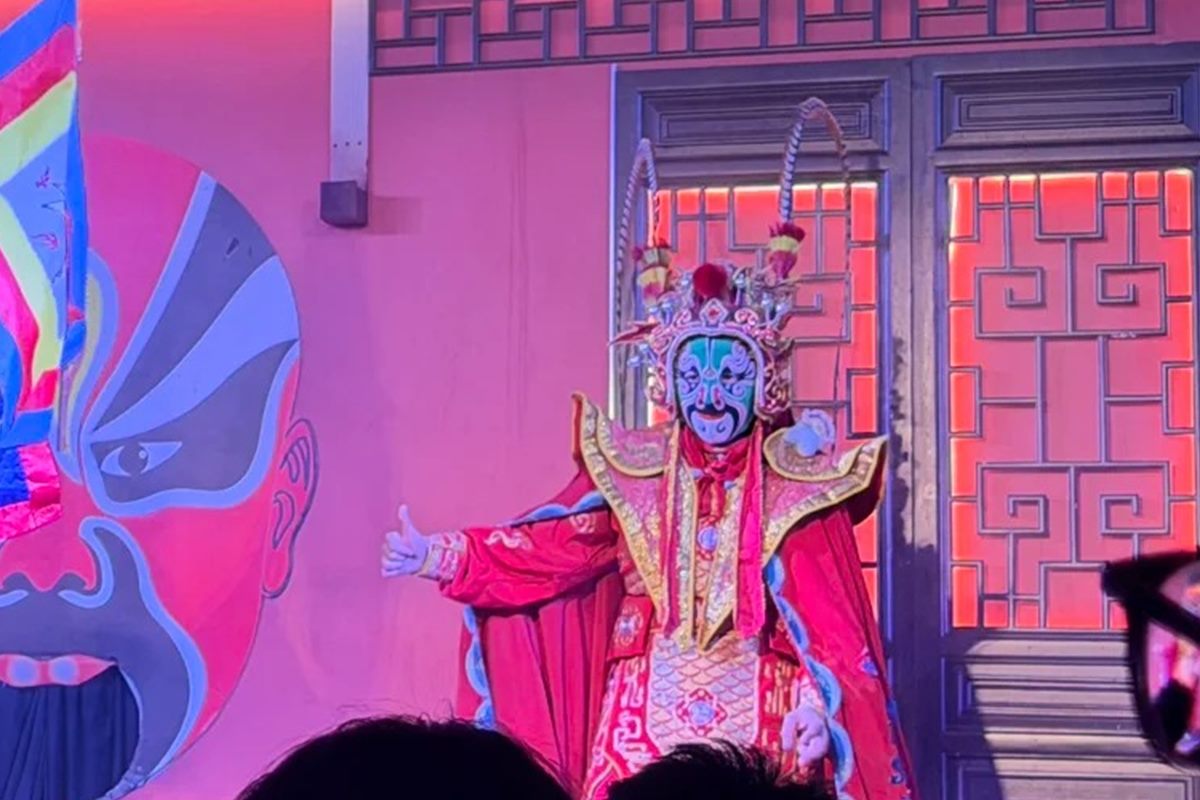
One show a night at 20:00, ninety minutes, and nothing in it needs Chinese — the masks, the fire and the shadow puppets are all visual. It is a tourist show and says so, which is why it is the honest way in.
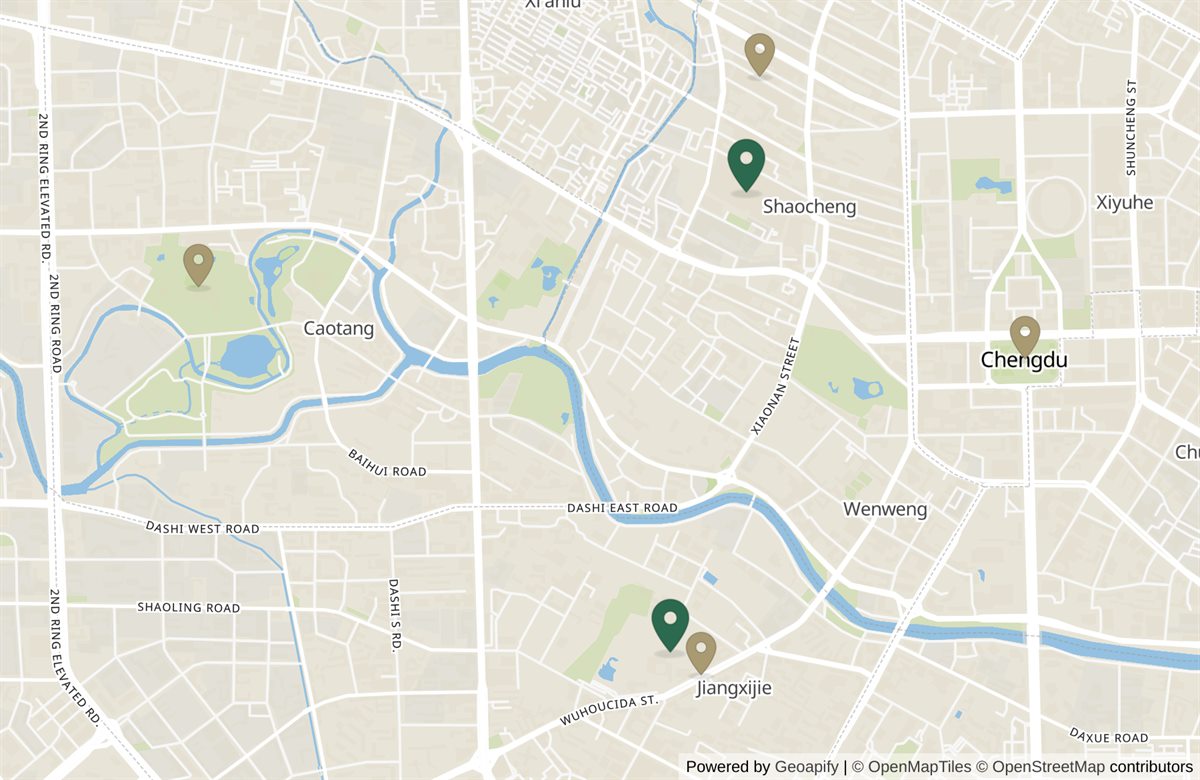
Wuhou Temple & JinliWuhou & Jinli武侯祠 station (Line 10)Kuanzhai AlleyKuanzhaiKuixinglou St — eat hereTianfu SquareDu Fu Thatched Cottage
The walkable half
5 km across
Everything on this map is inside 5 km, which is why the city half of a Chengdu trip is a walk and a couple of metro stops. Note what is not on it: the panda base sits about 10 km north-east, off the frame — that is why it is a morning of its own rather than a stop on the way to somewhere else.
Attraction with its own guide
How long
Two days for the city. The rest is mountains.
Most people pair Chengdu with Chongqing, which is just over an hour away by train. Everything below assumes you are sleeping here.
Day 1
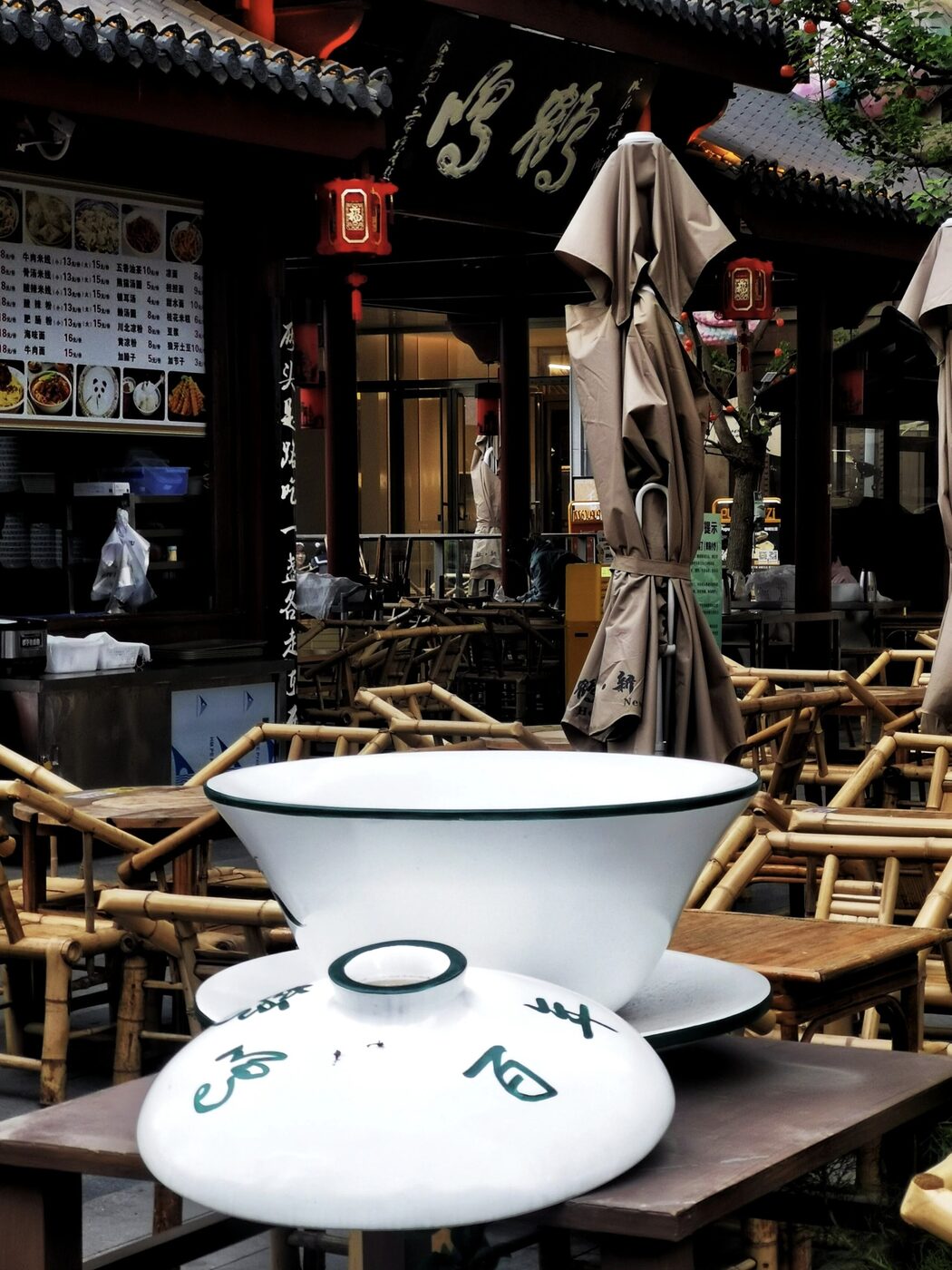
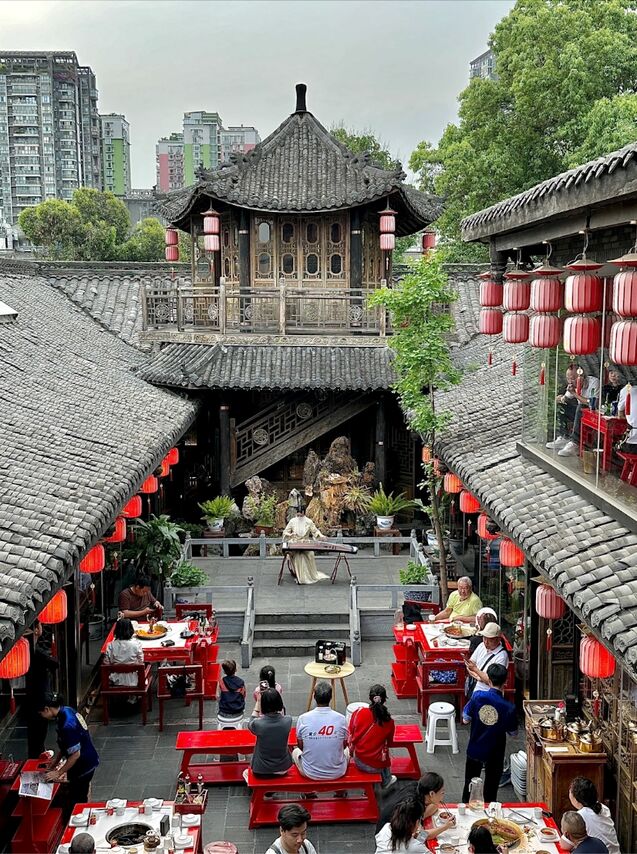
Pandas from 07:30, then Kuanzhai Alley and a bamboo chair at Heming Teahouse for the afternoon. Opera at 20:00.
Day 2
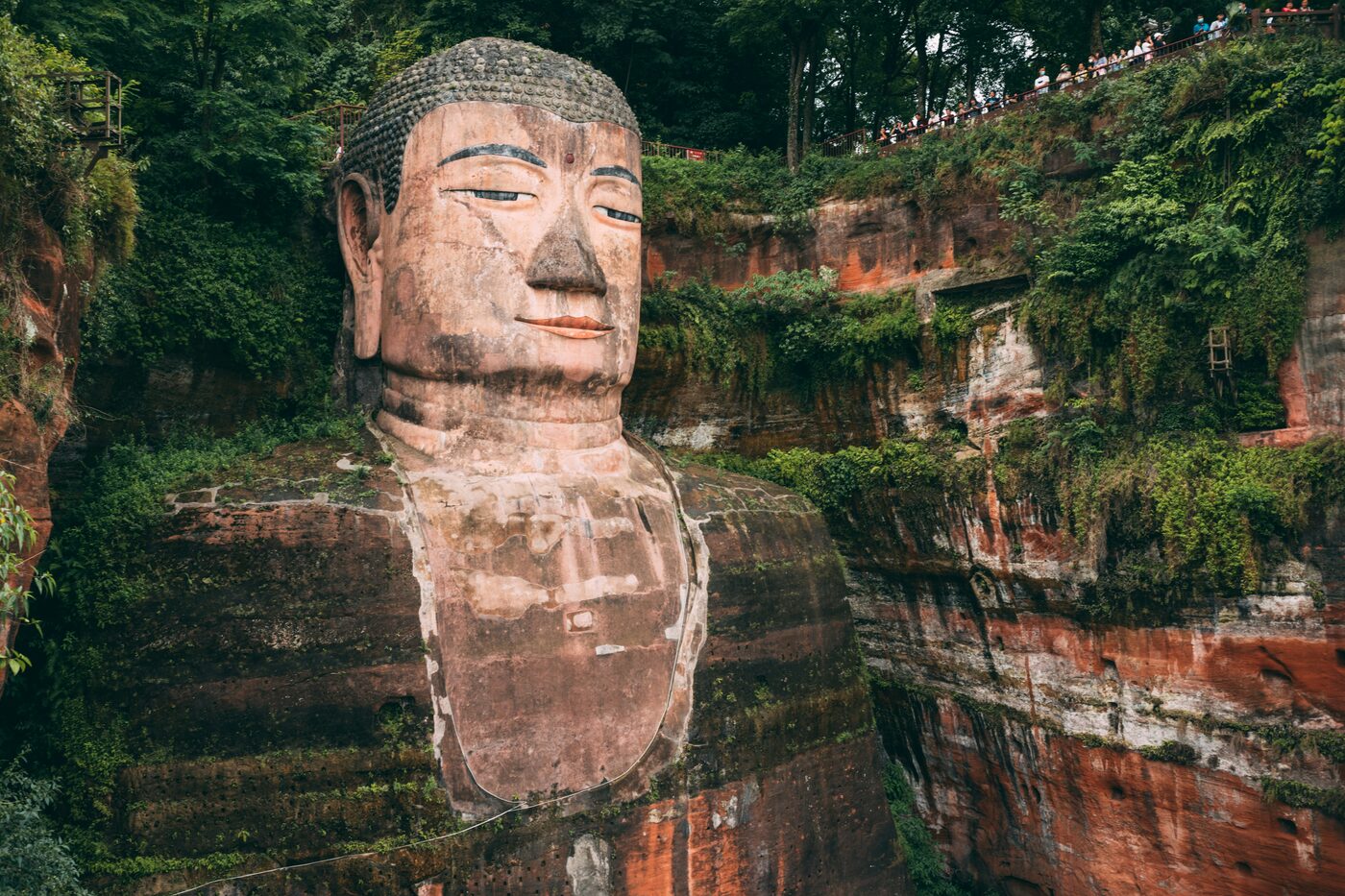
Leshan — descent first, boat in the early afternoon. A full day out, and you will be back late.
Day 3
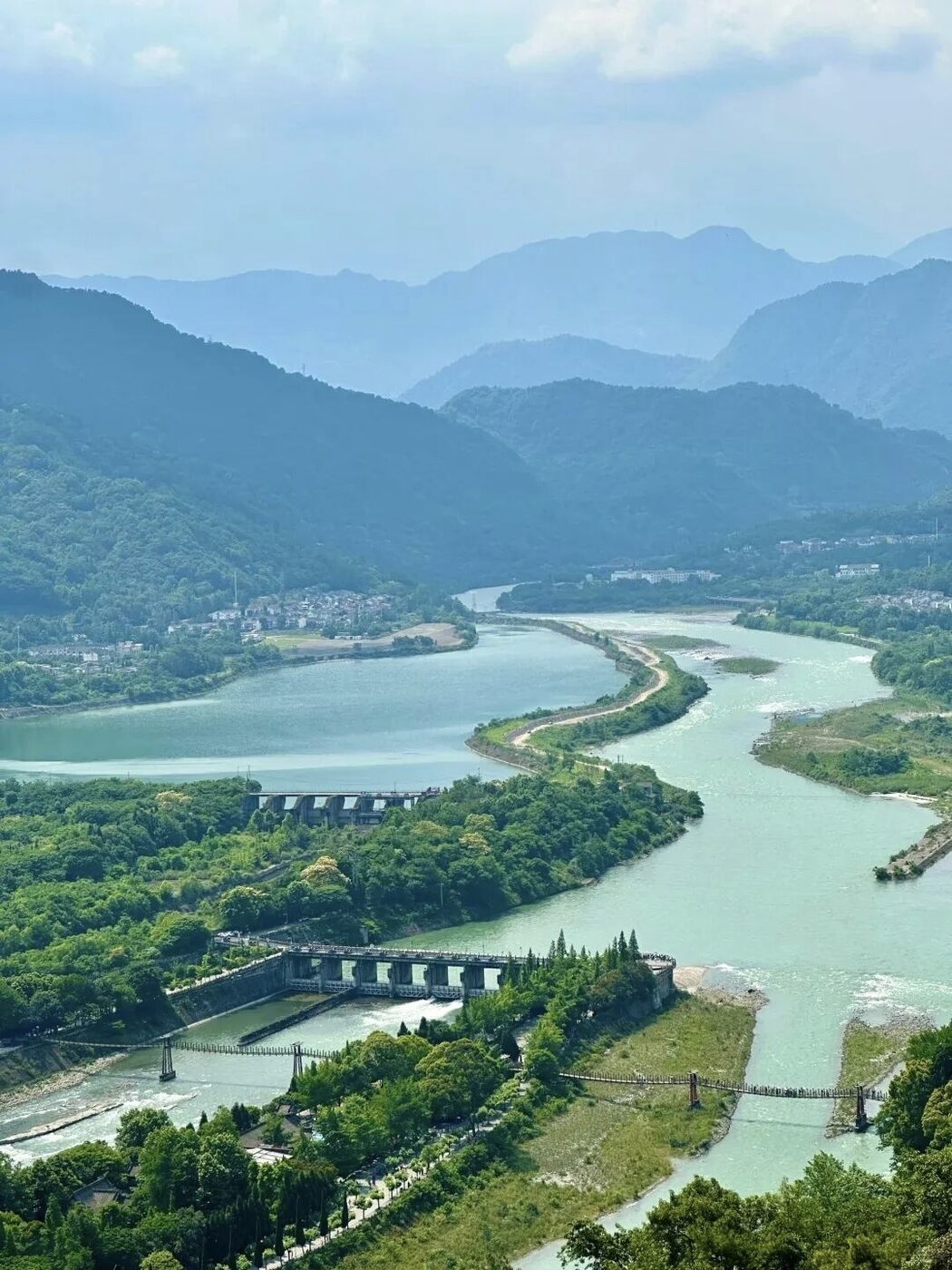
Dujiangyan and Mount Qingcheng share a line out of the city and make one comfortable day — but both need a timed slot booked ahead, and they are allocated separately. Or keep it slow: Wuhou, Jinli and the markets.
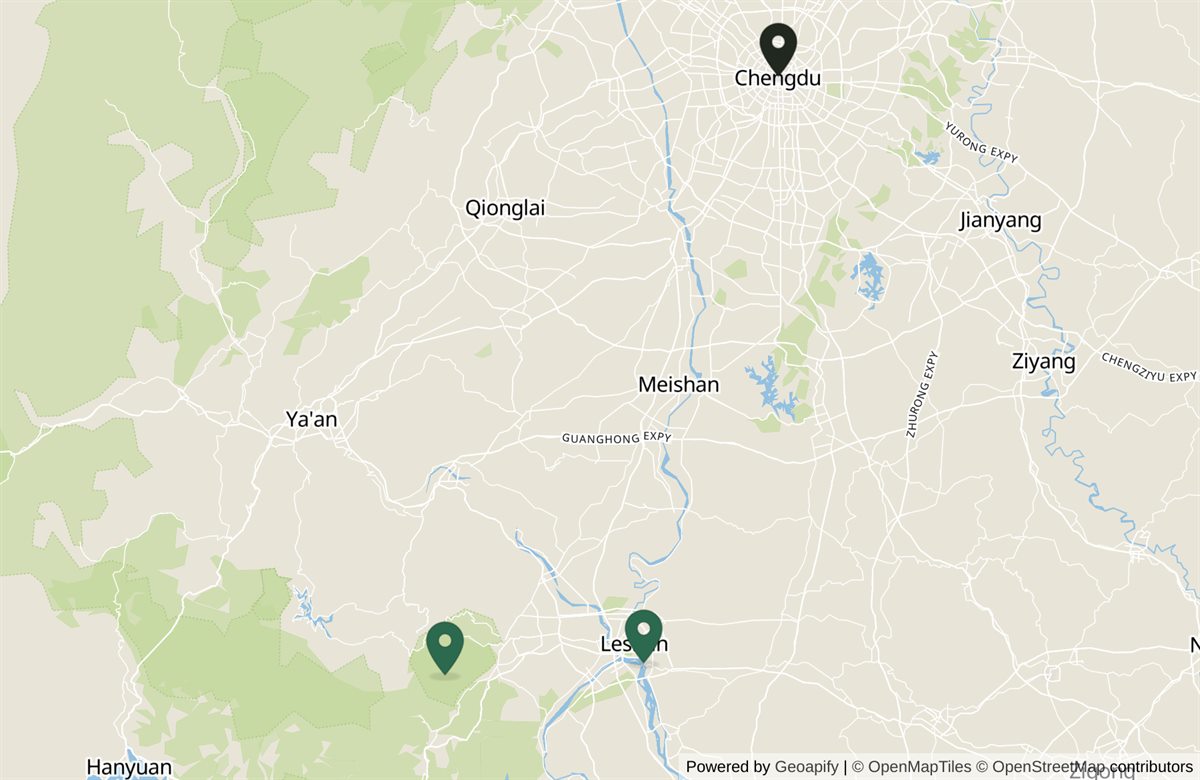
Mount EmeiMt EmeiLeshan Giant BuddhaLeshanChengduChengdu
The two that share a listing
~130 km
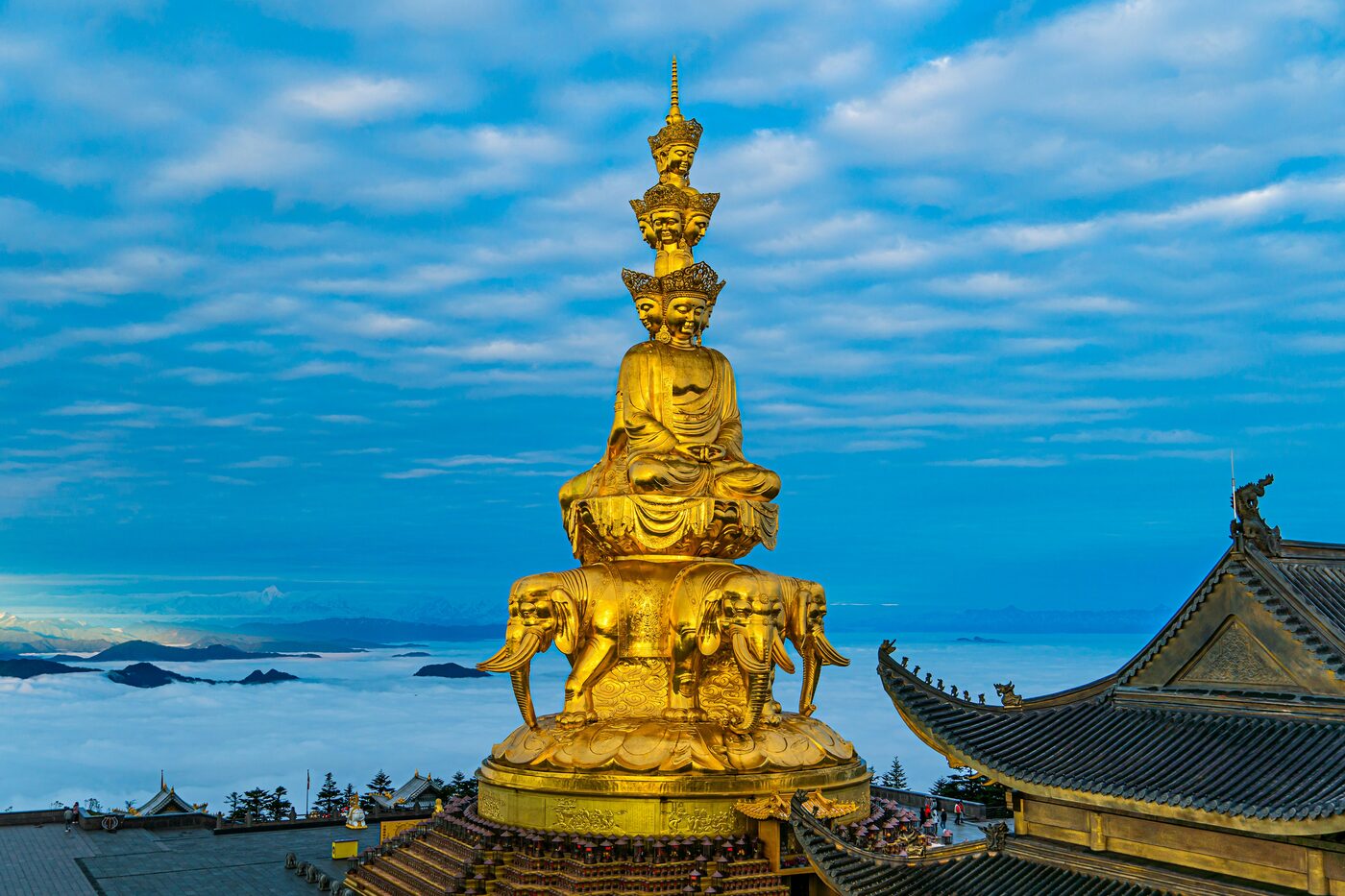
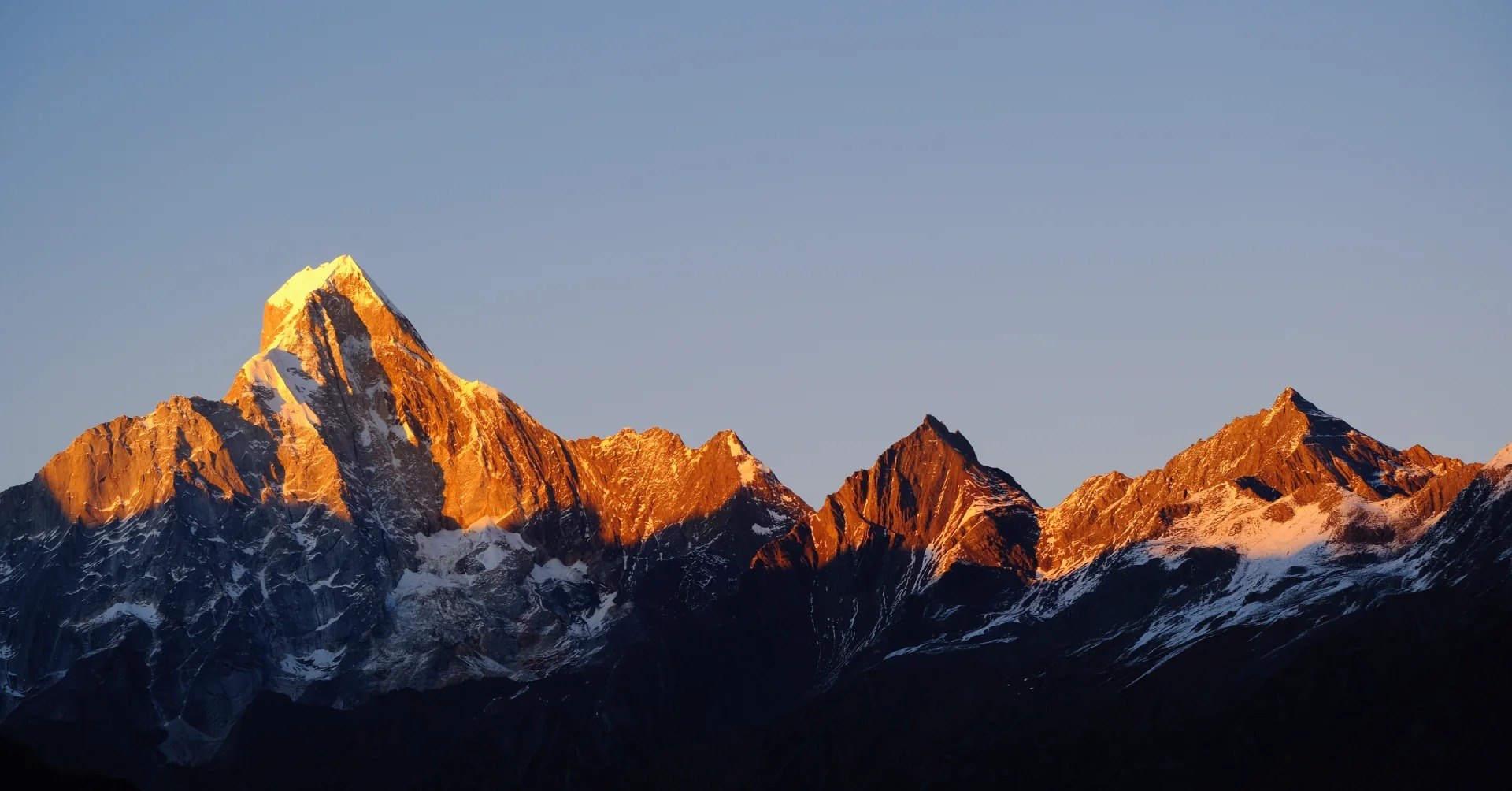
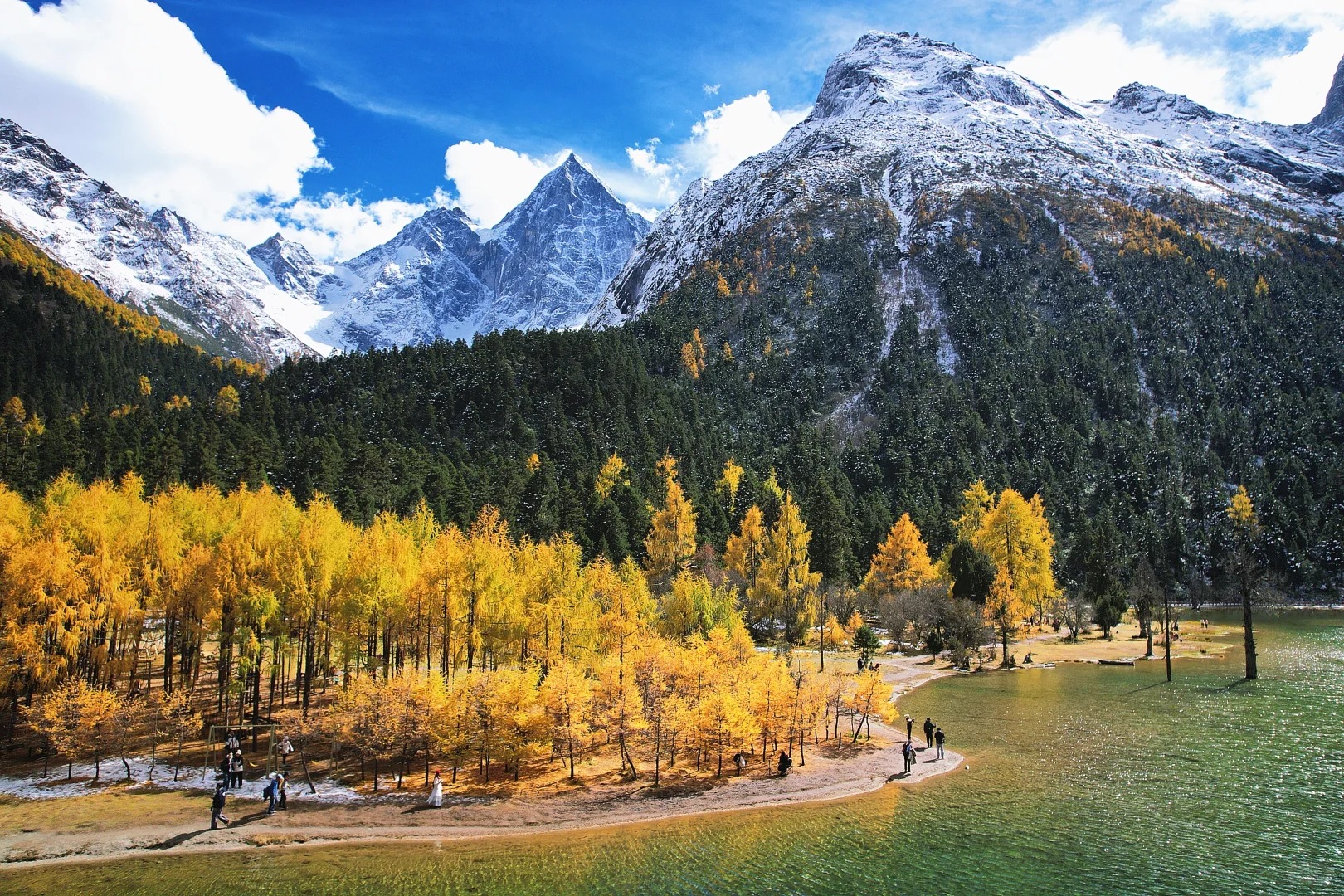
Leshan and Mt Emei are one UNESCO property, not two neighbouring ones, and their stations are 15–23 minutes apart by train — which is why almost nobody with two days does only one of them. The other day trips run the other way: Dujiangyan and Mt Qingcheng share a line north-west of the city, and Siguniang and Bipenggou are further out again, over a 4,000 m pass.
Five districts, and one question that decides them
The column that matters is the middle one, and it is not about sightseeing. Almost every good day here starts on an early train from Chengdu East, so the real question is how long it takes to reach that platform at six in the morning. Chunxi Road and Tianfu Square answer it in 22 minutes; Wuhou answers it in 52, which is a different trip.
Flying out of Tianfu, or after newer business hotels
Line 1
Line 18 reaches Tianfu Airport in 33–34 min on the express — the fastest airport link, but out of the centre.
Door-to-door metro times to Chengdu East, from the where-to-stay guide (Amap-verified, 2026-05). They are a ranking of how early you can realistically leave, not a promise about any single morning.
Everything we have
Which guide answers your question
Sights carry our verdict — must see, worth it, or skip if you are tight — and each group is ordered by it rather than alphabetically. Transport and practical pages do not: “must see” answers whether to go somewhere, and a railway station has no such question.
Neither of these has a guide above, and that is the verdict rather than an oversight. Ask in Chengdu which sights matter and you get an answer shaped by having seen them three times already — which points almost exactly away from a first visit.
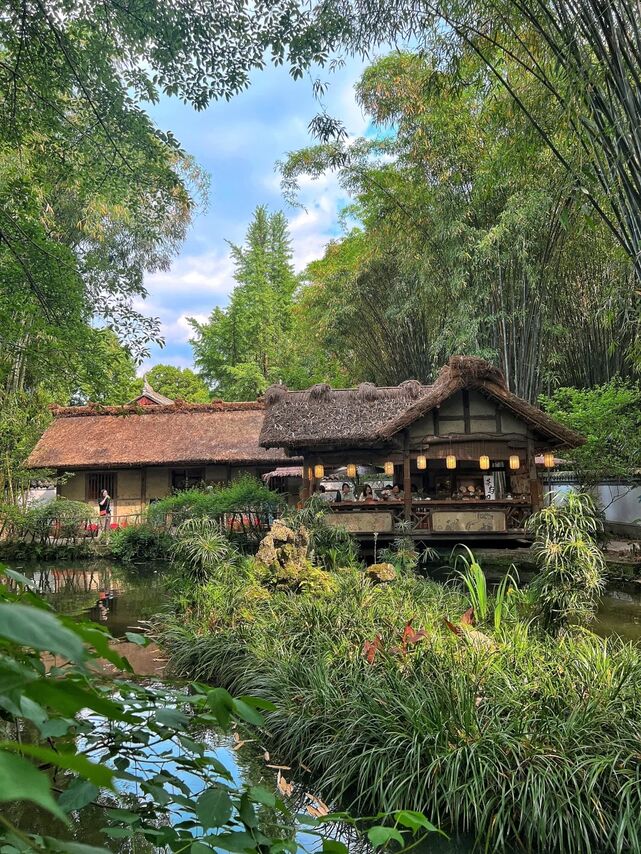
Du Fu Thatched Cottage杜甫草堂Skippable
On every itinerary. We would drop it.
¥50 buys a 20-hectare memorial garden. The halls keep the layout of rebuilds in 1500 and 1811, the thatched cottage itself was reconstructed in 1997 from descriptions in the poems, and the tower dates from 2005. Language is not the obstacle — English audio is ¥18 at the gate and an English-speaking guide ¥180 — the obstacle is that the poems are the exhibit, and Chinese visitors arrive carrying them from school. Go if Tang poetry is a reason you came to China, and then pay for the interpretation. Otherwise People’s Park is free and buys you the same afternoon.
Daci Temple大慈寺Worth it
Written off locally as a shopping mall. Go anyway.
Taikoo Li reads to residents as a luxury retail district worth skipping — and the same people, asked what their European and American guests reacted to best, put it near the top, because of the working Tang-founded monastery the district was built around. Red walls against glass shopfronts, free, no booking, incense handed to you at the gate, 360 m from Chunxi Road metro. The halls standing now were rebuilt between 1866 and 1878. Fifteen minutes if you photograph the wall from outside; an hour if you go in and sit in the tea courtyard.
A third one has simply gone: the Jinsha Site Museum (金沙遗址博物馆), still recommended everywhere as Chengdu’s in-city ancient-Shu museum, closed on 5 December 2025 for a full rebuild and is not due to reopen until 30 April 2027 — what that means for a Sanxingdui trip. Admission, hours and guiding prices here were checked on 11 August 2026.
On the ground
Six things that catch people out
The panda ticket is really two tickets
One price, but a morning ticket and an afternoon ticket admitting different halves of the day — 07:30–12:00 and 12:00–17:00 from March to October. Pandas are active until about 10:00 and asleep after. Buy the morning one.
The panda base has two gates, 2.3 km apart
Both sit on metro Line 3 and the station names say which: Xiongmao Avenue is the south gate, Junqu Zongyiyuan the west. The base sends public-transport arrivals to the west gate, which has no car park and therefore no coach queue.
Leshan’s boat does not stop for the winter
From about mid-November the Jiazhoudu pier closes and boarding moves to the Wuyou dock — the cruise keeps running. What suspends is the ¥2 cross-river ferry, which is a different boat doing a different job.
The half-price rule is per operator, not per province
Mount Emei gives individual foreign passport holders half price under its own policy. Mount Qingcheng explicitly has none. Leshan has none for individuals but 50% for inbound groups in 2026. Neighbouring sights, three different answers.
Chengdu East, not Chengdu South
Both serve Leshan and Emei, and you will see South named for them — but East runs 54 trains a day to Leshan from 06:15, against South’s 13 with nothing before 08:04. An opening-time day trip has to start at East.
Two airports, 50 km apart
Tianfu (TFU) is the newer one, 50 km out on metro Line 18. Shuangliu (CTU) is close in on Line 10. Flights moved between them in July 2026, so check which one your ticket names before booking any transfer.
Getting online
Your phone stops working the way you expect
China blocks Google, WhatsApp and Instagram at the network level, so a local SIM and hotel Wi-Fi do not get you round it — and since the April 2026 crackdown a VPN is no longer a dependable workaround. What works is a combination: your home SIM on international roaming, which keeps your real number for the SMS codes Chinese apps send, plus a travel eSIM — Holafly, Airalo or Nomad eSIM — routing through a foreign carrier so the firewall never applies to it.
Sort it before you fly. A foreign eSIM profile generally cannot be installed once the phone is already in mainland China, and that is a location restriction, so airport Wi-Fi does not solve it.
If something goes wrong in ChengduNational emergency numbers, hospitals used to foreign patients, and the PSB Exit-Entry office — plus which consulates are actually here.+
110PoliceGeneral emergency. English-speaking dispatchers in major cities.
120Ambulance / MedicalMedical emergency. Ask for an English-speaking operator — the dispatcher can often find one.
119FireFire emergency.
122Traffic accidentFor traffic incidents, including on expressways and mountain roads.
12308China consular protection (foreigners' affairs)The Chinese government's hotline for foreign-affairs incidents — used by foreign embassies when their citizens are in trouble in China. English-speaking operators available.
Consulates
For a lost passport or a major emergency. If your country has no consulate in this city, your nearest support is your embassy in Beijing or a consulate in another Chinese city. Phone numbers are not listed here — consulate phones change with staffing; consult your country's official Foreign-Affairs website for the current number.
Australian Consulate-General Chengdu澳大利亚驻成都总领事馆东御街18号百扬大厦27层Metro: Line 2 天府广场 (Tianfu Square)For Australian citizens — and de-facto for New Zealanders in the southwest given the NZ Chengdu Consulate is currently suspended. Baiyang Building 27F, central CBD location.
UK Chengdu Visa Application Centre (NOT full consulate)英国驻重庆总领事馆成都签证申请中心天府大道中段1577号中国-欧洲中心F11层Metro: Line 1 天府三街 (Tianfu Sanjie)Visa application centre only — NOT a full consulate. For lost passport emergencies UK citizens in Chengdu should contact the British Consulate-General Chongqing (邹容路68号大都会东方广场31层) or the British Embassy Beijing.
German Consulate-General Chengdu德意志联邦共和国驻成都总领事馆人民南路四段19号威斯顿联邦大厦25层Metro: Line 1 倪家桥 (Nijiaqiao)For German citizens in southwest China.
French Consulate-General Chengdu法兰西共和国驻成都总领事馆红星路三段1号IFS一号写字楼26楼Metro: Line 2/3 春熙路 (Chunxi Road)For French citizens. IFS building, central CBD.
Singapore Consulate-General Chengdu — Visa Section新加坡共和国驻成都总领事馆签证处人民南路二段1仁恒置地广场30层Metro: Line 1 锦江宾馆 (Jinjiang Hotel)For Singaporean citizens.
Hospitals
For medical emergencies dial 120 (ambulance). The major hospitals listed below are large, well-equipped, and most likely to have English-speaking staff. For non-emergency visits, ask your travel insurance for in-network options.
West China Hospital, Sichuan University (Main Campus)四川大学华西医院院本部国学巷37号Metro: Line 1 华西坝 (Huaxiba) — ~5 min walkSichuan's flagship hospital and one of the largest single-campus hospitals in the world — Grade III-A (三甲) with 24h emergency, on Guoxue Lane near Huaxiba metro (Line 1). The main campus houses a 特需国际医疗中心 (Special-Needs International Medical Center) with English-speaking doctors and a foreigner-priced billing path — this is the established foreigner entry point in southwest China. Expect heavy crowds at standard outpatient lines; the international center is significantly faster. Also operates a newer Jinjiang campus (锦江大道1166号) on the east side.
Sichuan Provincial People's Hospital (Qingyang Main Campus)四川省人民医院一环路西2段32号Metro: Line 2 通惠门 (Tonghuimen) / Line 5 抚琴 (Fuqin)Provincial-level top general hospital on 1st Ring Road West Section 2 — Grade III-A (三甲) with 24h emergency, a strong alternative to West China for foreigners staying in central Chengdu / Qingyang district. Operates several branch campuses (East, Caotang, Wenjiang, Jinniu); the Qingyang main campus is the foreigner default.
PSB Exit-Entry Offices
Public Security Bureau Exit-Entry offices handle lost-passport reports, visa extensions, and foreigner residency registration. Use the most central municipal office for a standard lost-passport report; provincial or city-level offices handle complex cases such as visa-category changes.
Chengdu PSB Exit-Entry Administration (Main Office)成都市出入境接待中心西御河街道西华门社区人民西路2号Metro: Line 2 人民公园 (People's Park)Main Chengdu PSB office for foreigner cases. Central location near Renmin Park, walkable from Tianfu Square hotels. Bring all available passport photocopies.
Sichuan Provincial PSB Exit-Entry Administration四川省公安厅出入境管理总队应龙北一路268号Provincial-level office for complex cases (visa category changes, longer-cycle foreigner registration). Most lost-passport tourists need only the municipal office above.