01
National Forest Park
2 days · ¥236 four-day pass
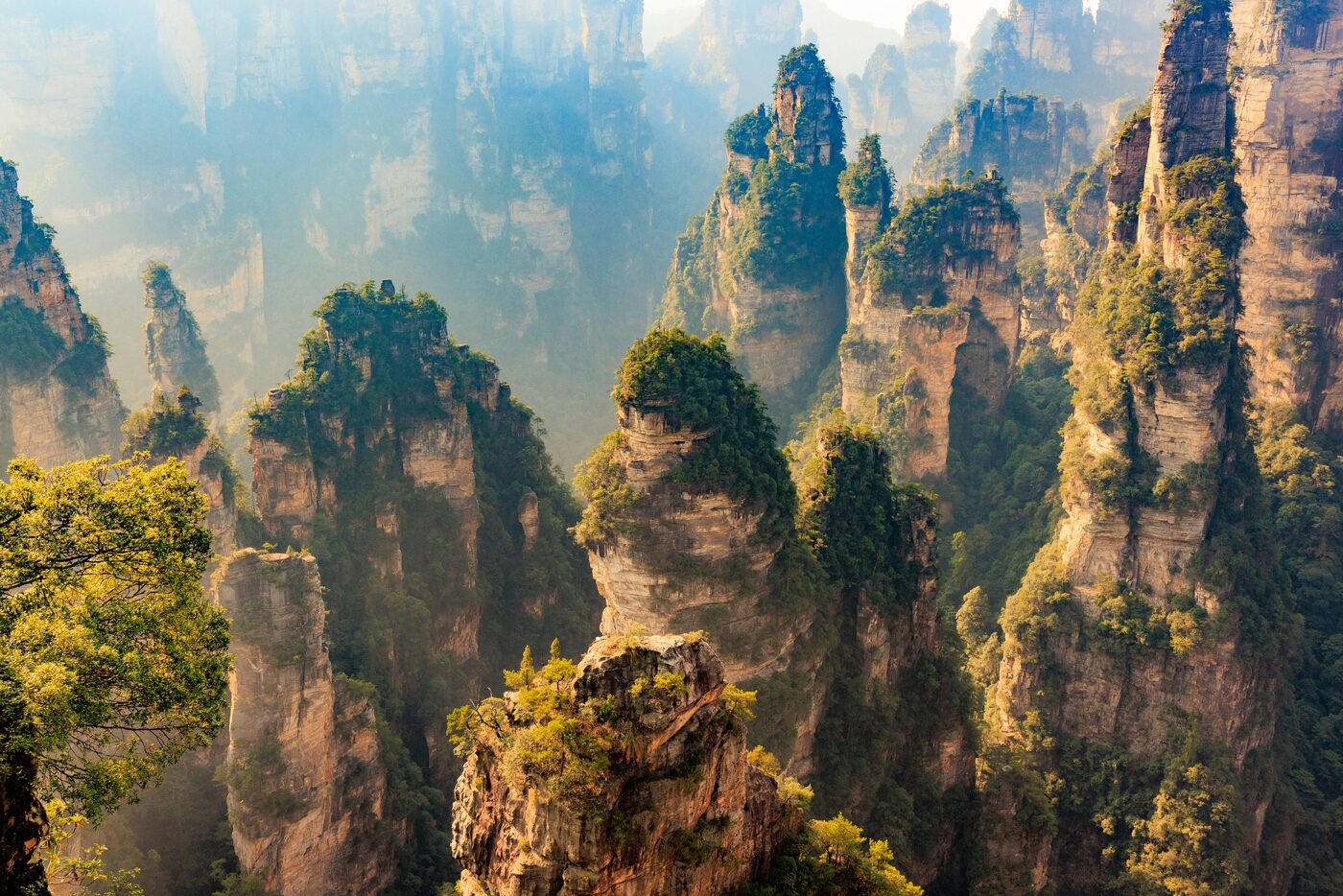
The main event — the National Forest Park and its UNESCO pillars that inspired Avatar: Yuanjiajie, Tianzi Mountain and the Golden Whip Stream valley walk.
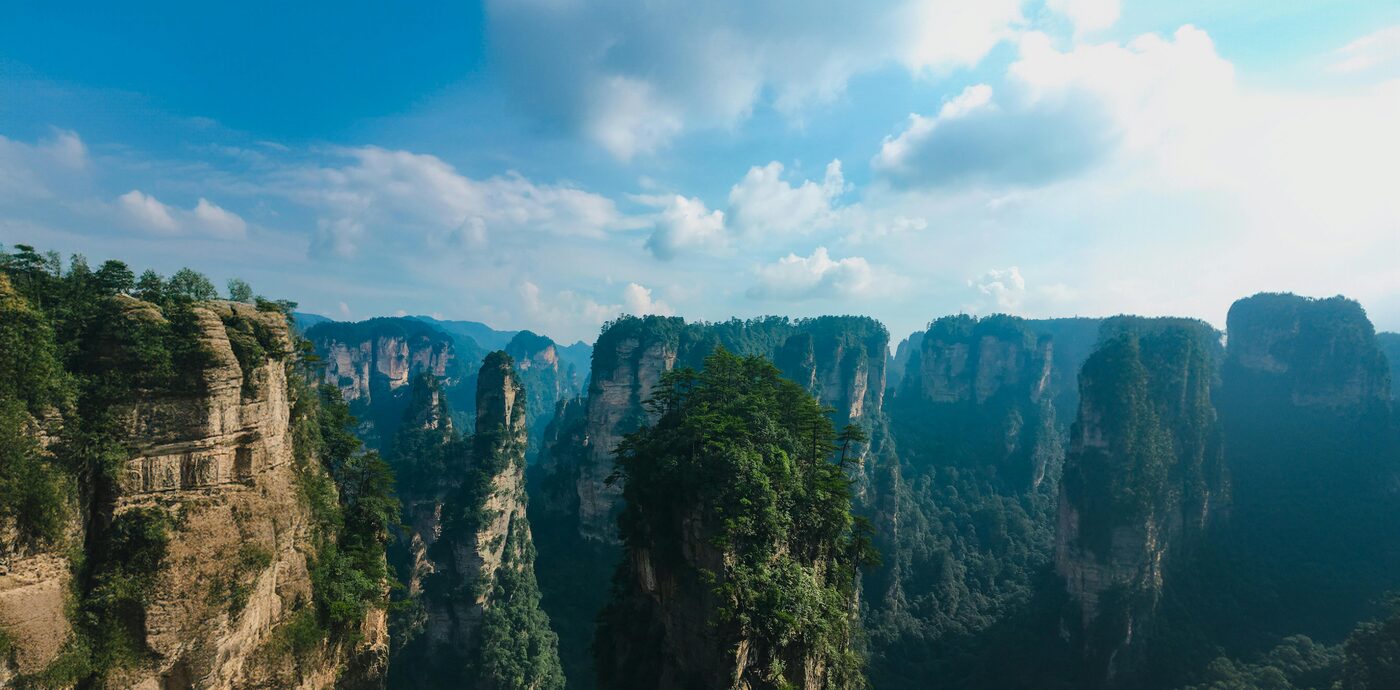
Hunan · the Avatar mountains
Not one place, but two separate mountains and an optional glass bridge, scattered across 32 km of Hunan. Where each one is, how many days it really takes, and which of our 26 Zhangjiajie guides answers your question.
China for TravelersWulingyuan — a UNESCO World Heritage Site
Both mountains are timed, real-name entry. Since the July 2026 ticketing upgrade the gates read a foreign passport directly — no counter swap.
First time here?
“Zhangjiajie” is a small Hunan city beside two entirely separate mountains — you visit both — plus an optional glass bridge in a third valley. That is three days minimum, four with the bridge; a fifth buys a night in an ancient town on the rail line out.
2 days · ¥236 four-day pass
The main event — the National Forest Park and its UNESCO pillars that inspired Avatar: Yuanjiajie, Tianzi Mountain and the Golden Whip Stream valley walk.
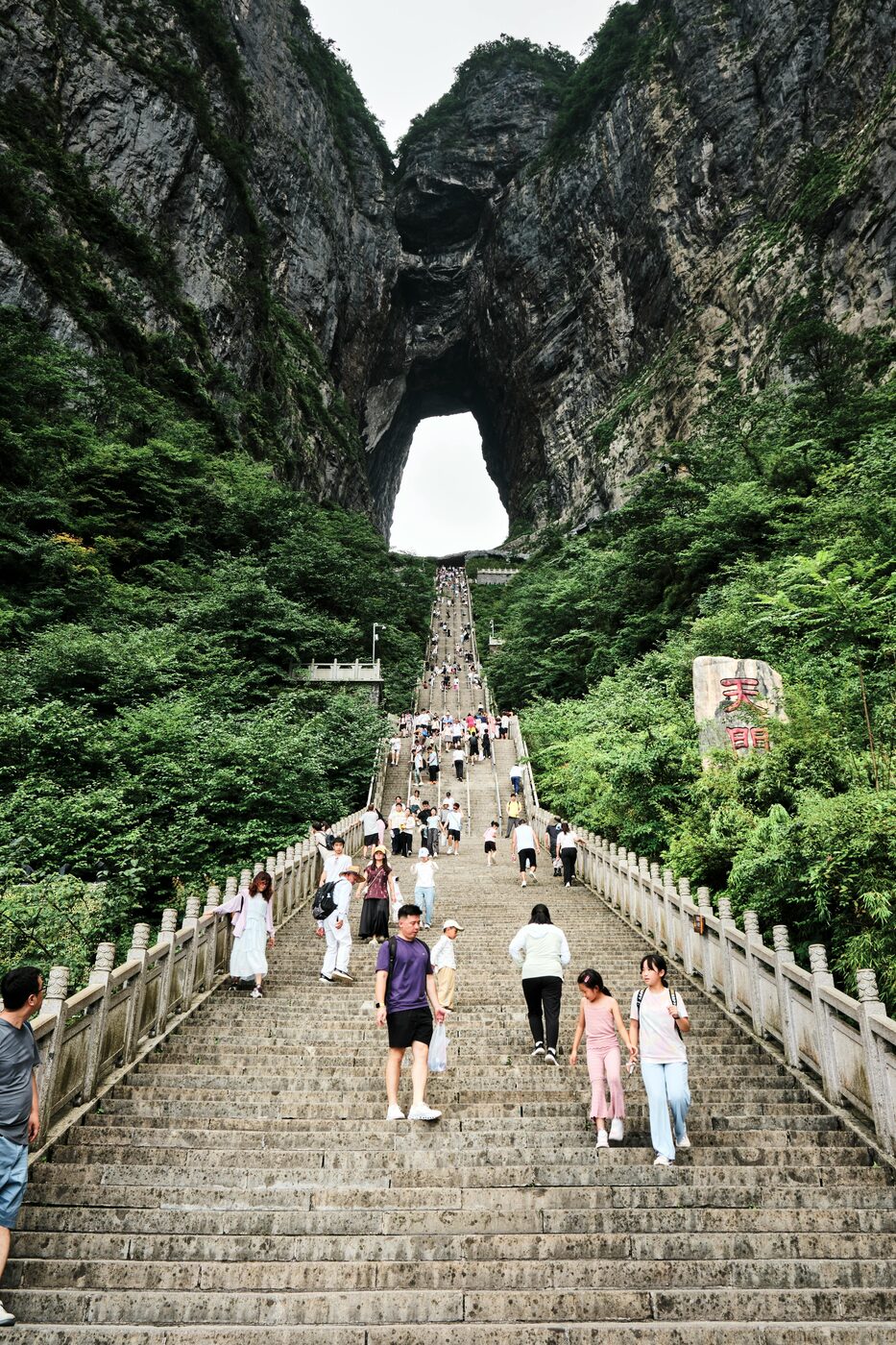
Full day (7–9 h) · ¥288 combined (all cableways + shuttle + escalators + admission)
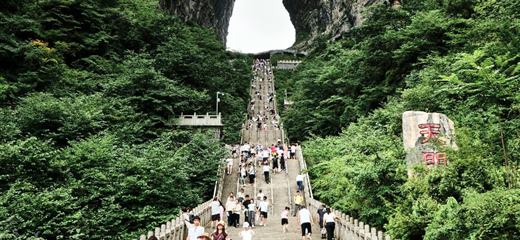
Zhangjiajie’s second headline sight and a separate full day from the forest park — the Heaven’s Gate arch, the 999 steps and cliff-edge glass skywalks
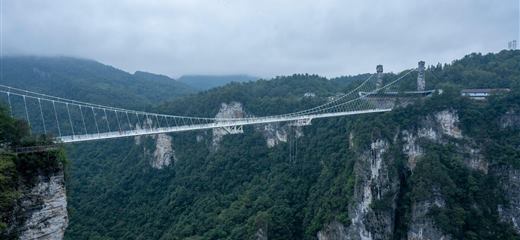
Half day (4–5 h) · ~1 h east by road
worth the half-day for the crossing and the canyon floor below — but skippable if Tianmen’s cliff-edge glass skywalk is already on your itinerary; the deck is calmer than the hype (side rails are solid, the glass reads slightly milky in sun), so it under-delivers for hard thrill-seekers and reassures everyone else
Terrain © Stadia Maps · Stamen Design · OpenMapTiles · © OpenStreetMap contributors.
The National Forest Park and Wulingyuan town (the usual base) sit ~32 km north-east of Zhangjiajie city. Tianmen Mountain rises right beside the city and its two stations; the glass bridge is a separate valley ~27 km east of Wulingyuan. The one minor sight pinned here, Baofeng Lake, is 2.2 km south of Wulingyuan on its own separate ticket. Tap any pin for times, prices and the guide.
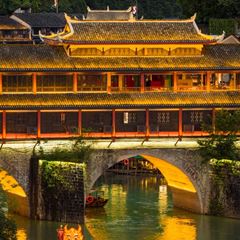
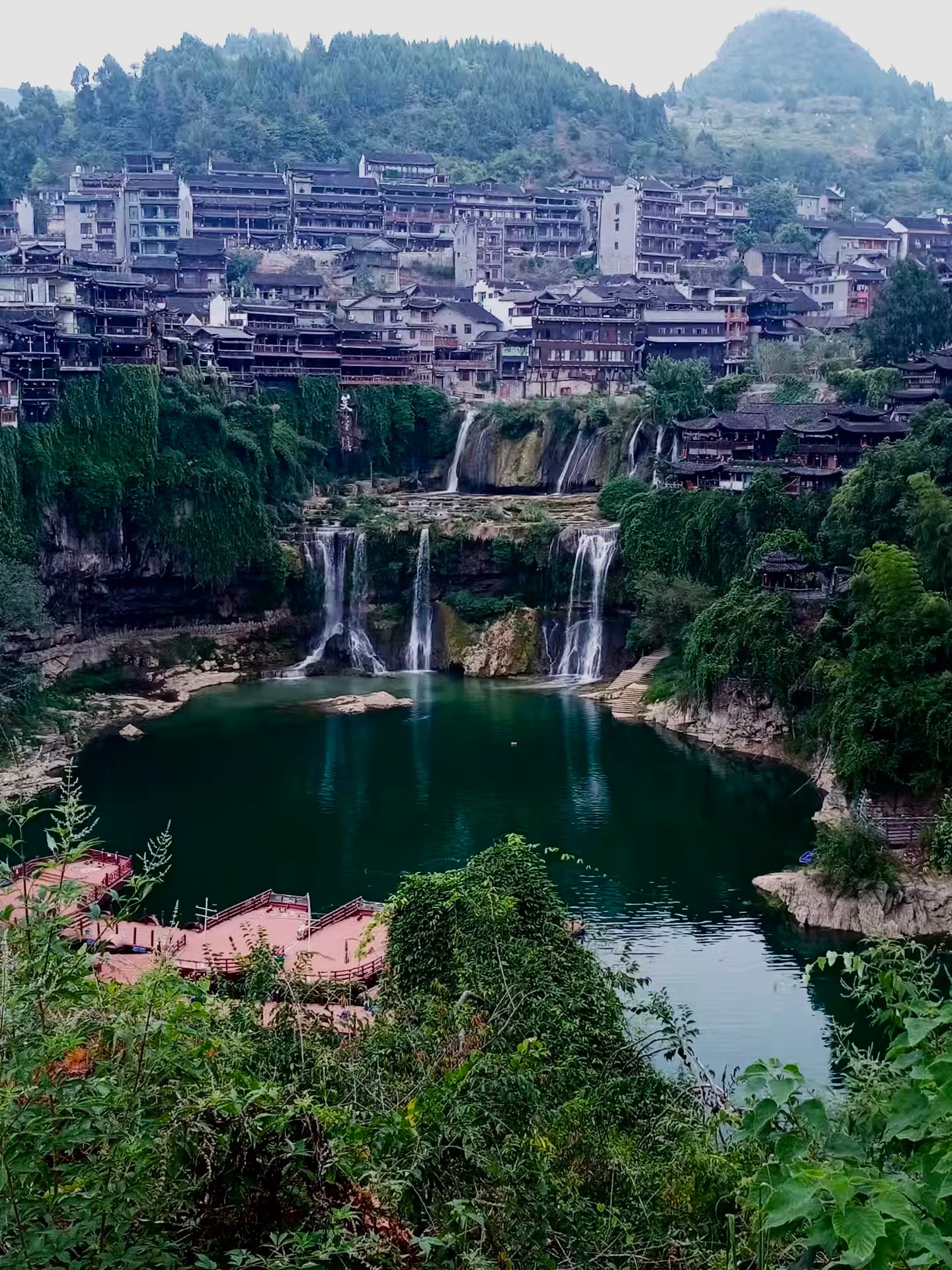
The two ancient towns are not in Zhangjiajie at all — they sit in a separate not-to-scale panel rather than on the map proper, because both are down the high-speed line to the south-west. Furong is 23 minutes from Zhangjiajie West, Fenghuang 51–66 minutes, and 27–40 minutes apart from each other — which makes them the usual way out rather than a day trip back.
The shape of the trip
Tianmen first, while you are still in the city; then out to Wulingyuan for everything else. These are full sightseeing days — arrival and departure are extra, so a 3-day plan is about five days door to door.
Do the city-side mountain while you are still in the city. Ride one of the world’s longest cable cars up Tianmen, walk the cliff-edge glass skywalks, and see the Tianmen cave — “Heaven’s Gate” — reached by 999 steps or escalators, with the 99-bend Tongtian Avenue road below. Move out to Wulingyuan in the evening.
Move to Wulingyuan town
The full plateau day, 7–8 hours and the least climbing of any route in: eco-bus from the east gate to the Bailong Elevator (20–25 min), up to Yuanjiajie for the Avatar Hallelujah Mountain and the No. 1 Bridge Under Heaven, on to Yangjiajie and Tianzi Mountain, then the Tianzi cable car down and out past the Ten-Mile Gallery.
Wulingyuan town
The valley half, walked one way so nothing is retraced: in at the south gate (confusingly signed 森林公园, “Forest Park”), up the Huangshizhai cable car, then down to the Golden Whip Stream and east along the valley floor, finishing at the east gate by your hotel. Only 4–5 hours, so the afternoon is yours — Baofeng Lake is 2.2 km south of town and Yellow Dragon Cave about 7.9 km east, both separately ticketed. The east and south gates are not linked by the free park buses; that hop is an outside taxi or bus.
Wulingyuan town
Half an hour east of Wulingyuan — which is exactly why it sits on a Wulingyuan night and not a city one. Walk the 430 m glass bridge suspended some 300 m above the canyon floor, then the canyon trail and the boat ride below.
Wulingyuan town
Planning it properly? The full Zhangjiajie itinerary guide runs 1 to 6 days, compares the six routes into the park, and maps the one-way Furong → Fenghuang line out. That free afternoon on day 3 is what Baofeng Lake and Yellow Dragon Cave are for — neither is worth displacing a park day.
Where to base yourself
This matters more here than in most Chinese cities: the park and the city are 32 km apart with no metro between them, so the wrong base costs you an hour each way, every day.
Minutes from the park’s east gate, with Baofeng Lake and Yellow Dragon Cave on the doorstep. Two or three of your nights belong here.
Hotels in Wulingyuan →At the foot of Tianmen Mountain, beside both stations and the airport. The arrival and departure nights, and the Tianmen day.
Hotels in the city →Sunrise on the pillars before the shuttles run. Rooms are basic, dearer for what they are, and luggage is awkward — for photographers, not families.
Hotels inside the park →The full comparison goes further — which park gate each base actually serves, how the brands cluster (international five-stars out in Wulingyuan, domestic chains in the city), and the airport bus most guides say does not exist.
The library
Twenty-six pages, grouped the way the trip is decided. Everything here is in the page source — no tab to click, nothing hidden from a crawler.
 Itineraries, 1 to 6 daysSix gate routes compared; where Tianmen and the bridge fit.
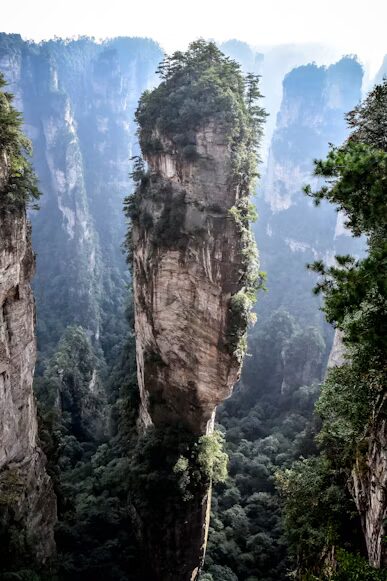 Things to doThe honest priority calls on a 3–5 day trip.
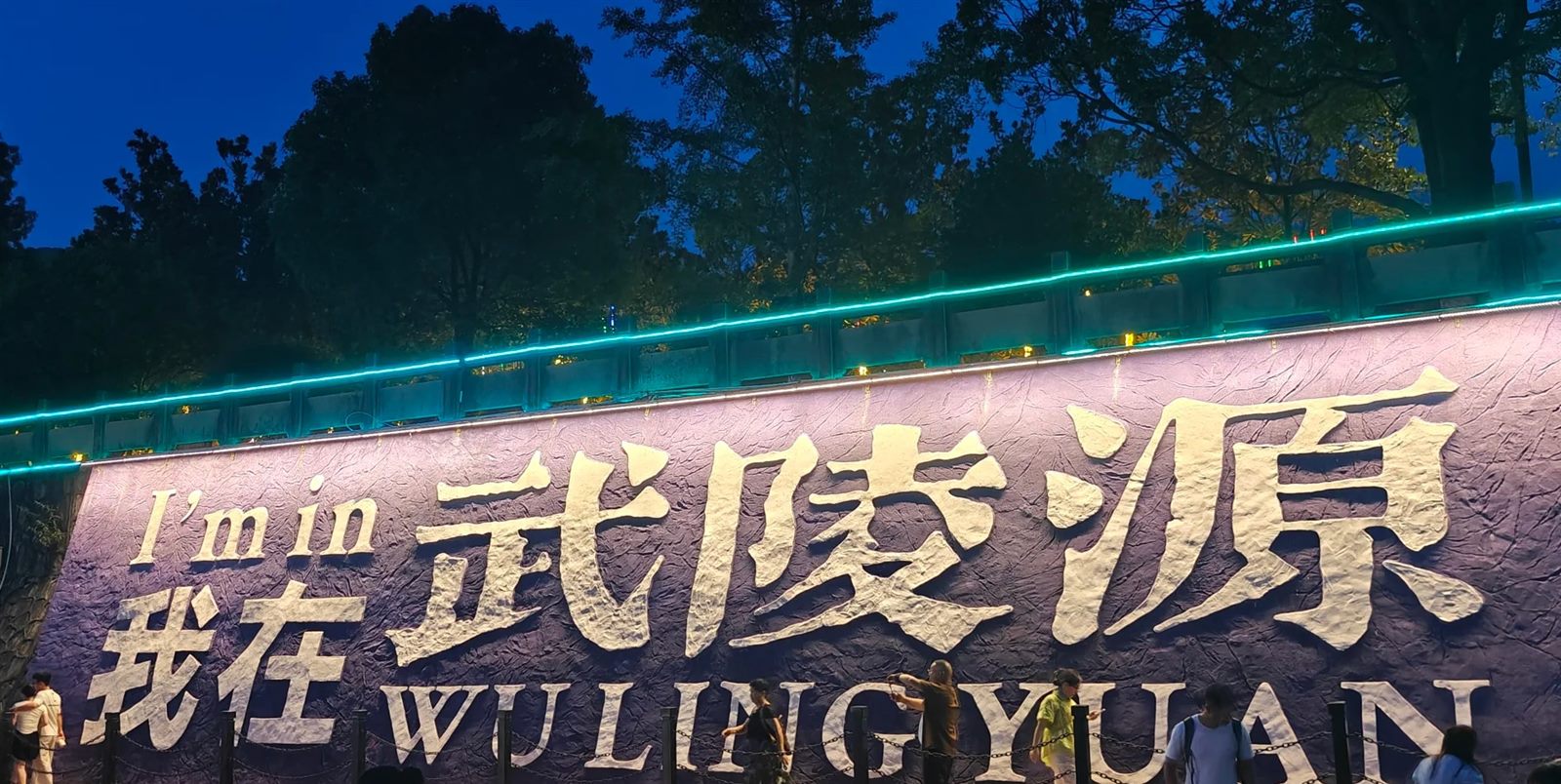 Where to stay · hotelsThree real bases — and which park gate each one serves.
 Getting aroundPark shuttles, cable cars, the city–Wulingyuan hop. No metro here.
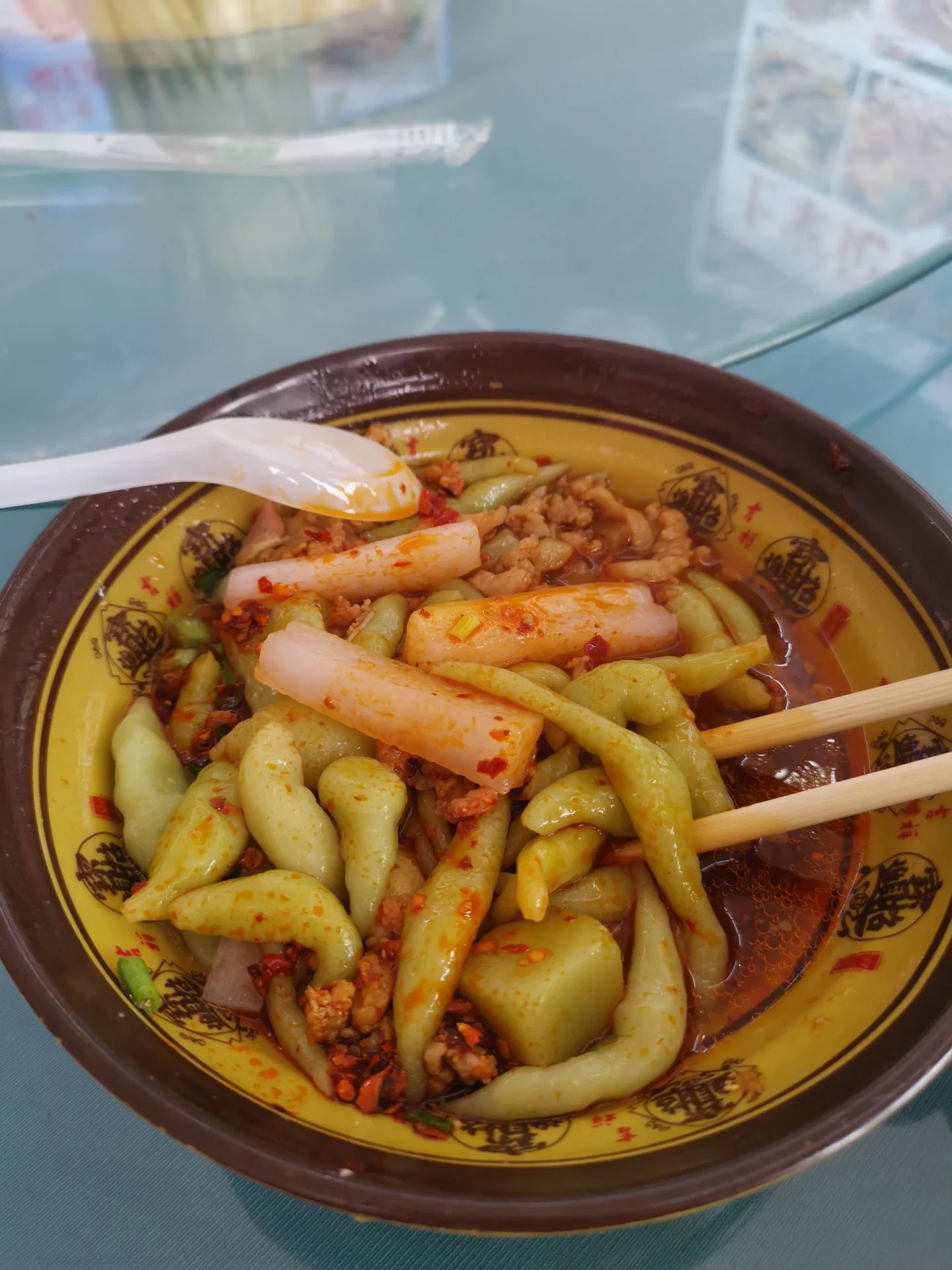 What to eatTujia mountain cooking — sour, smoked, and hotter than you expect.
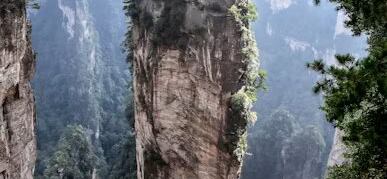 The park guidestart hereGates, tickets, and the interactive A/B route map.
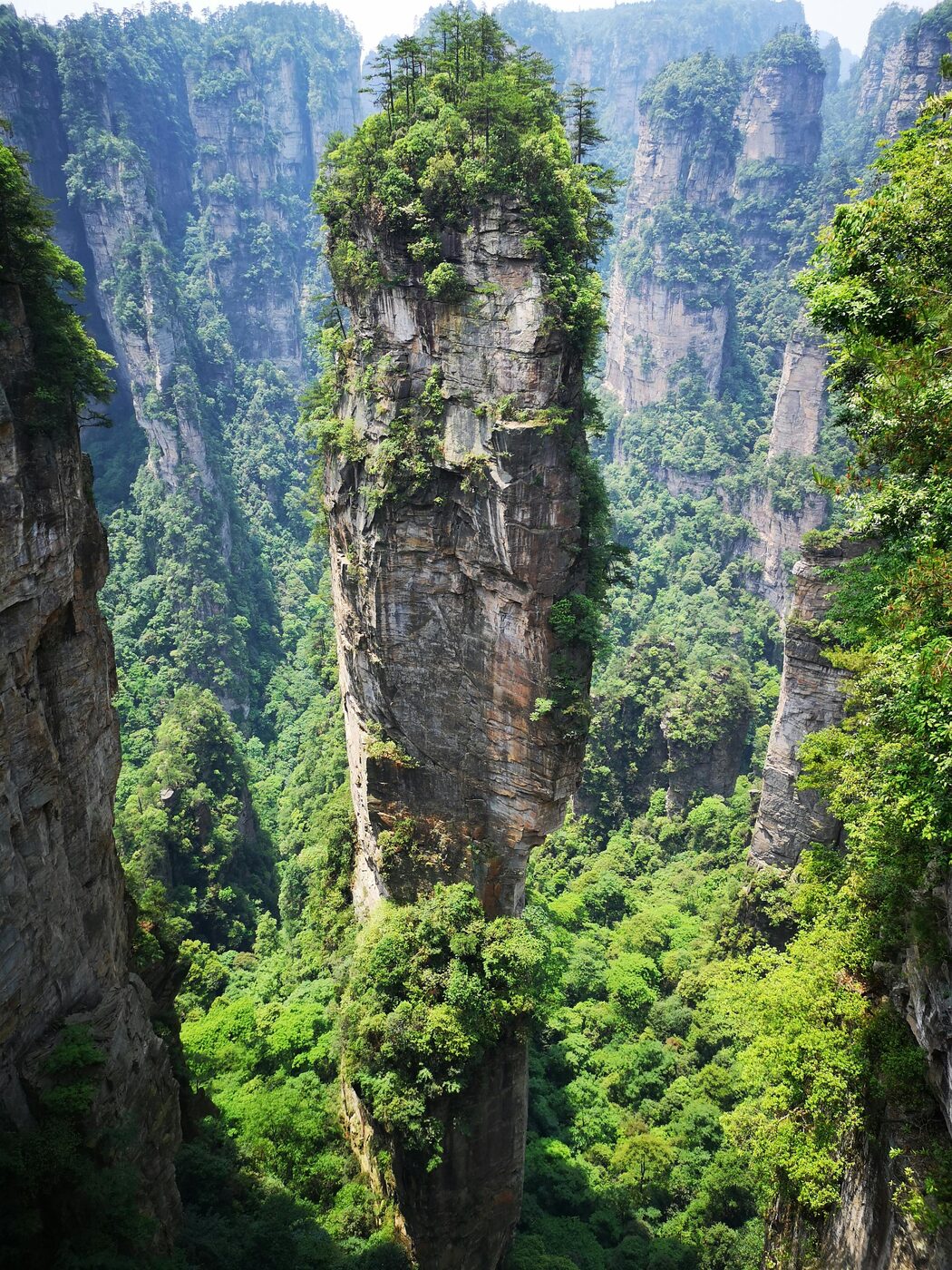
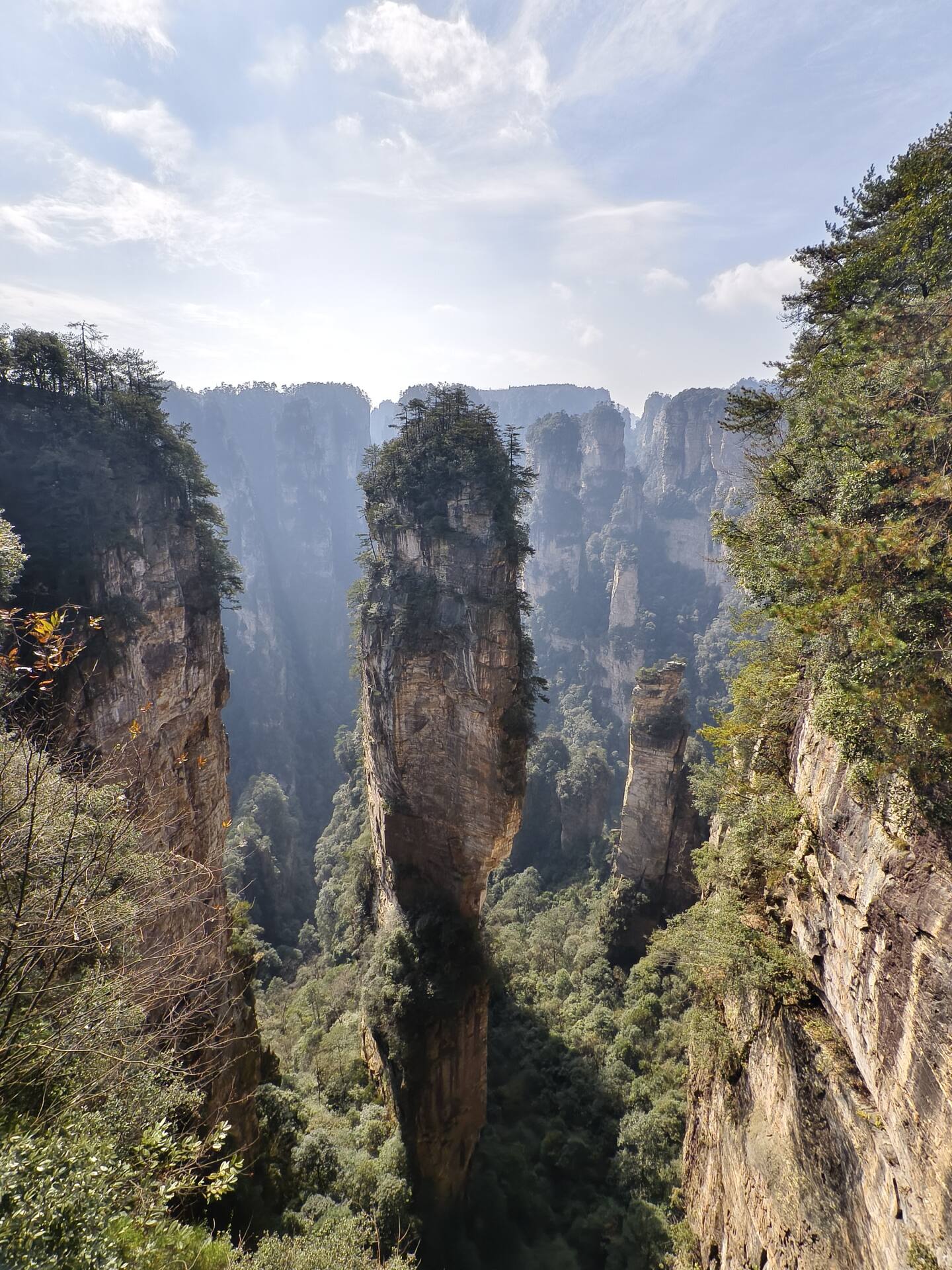 Yuanjiajie & the Avatar mountainsMust seeWhich pillar is actually the Avatar one, and where to stand.
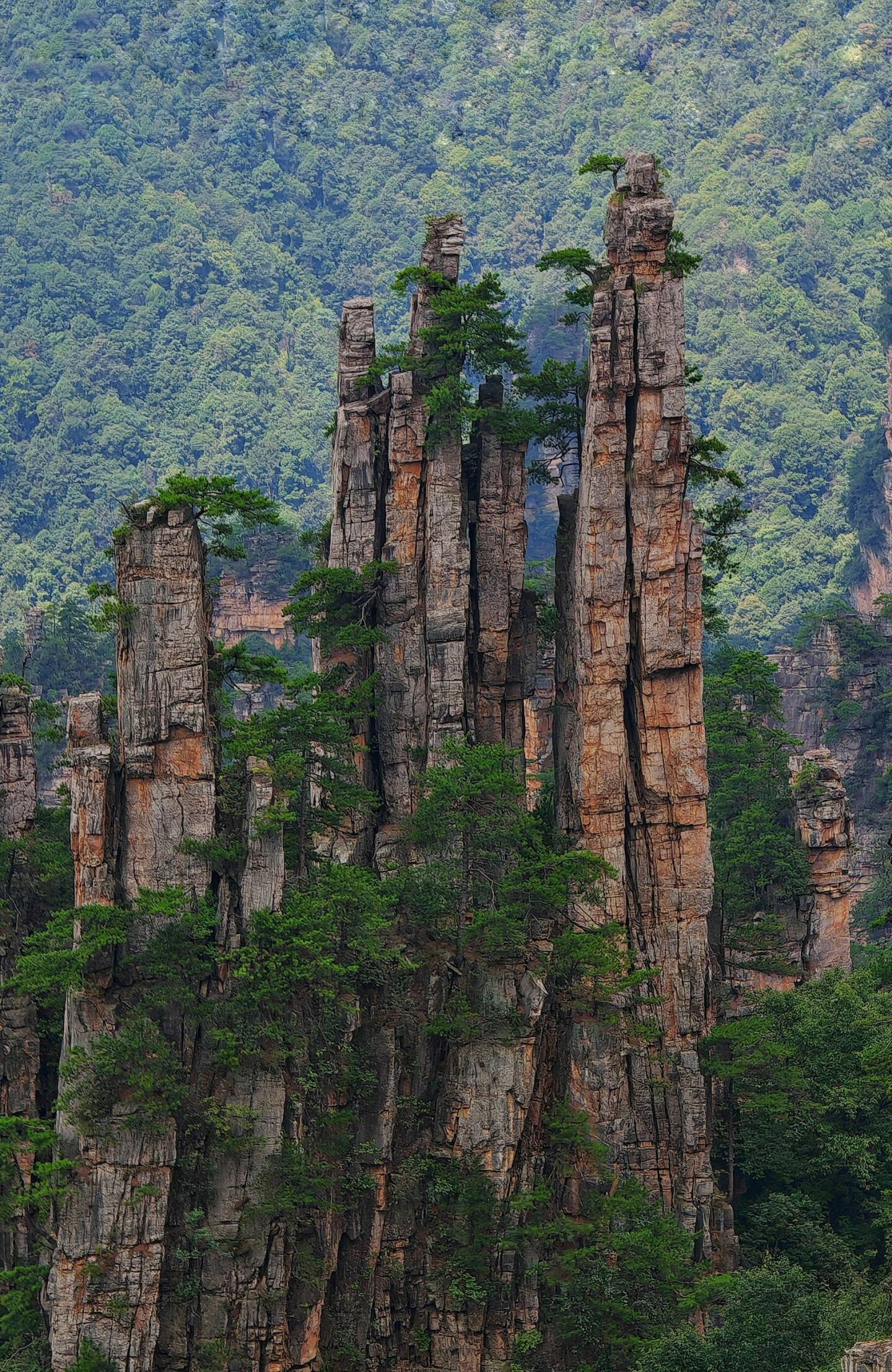 Tianzi MountainMust seeA dozen viewpoints, three worth your time; sea-of-cloud timing.
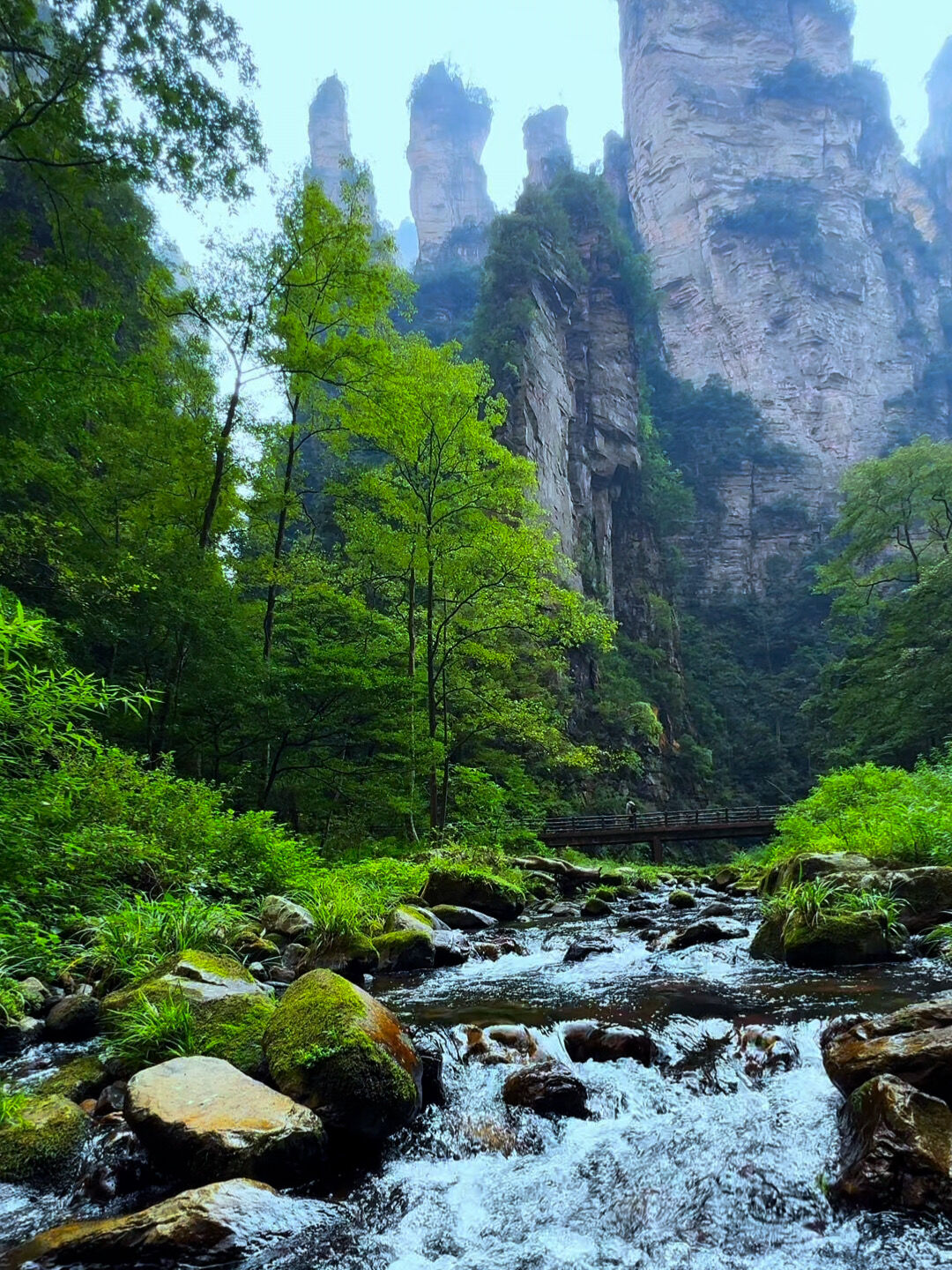 Golden Whip StreamMust see7.5 km flat valley walk — the only route with no lift queue.
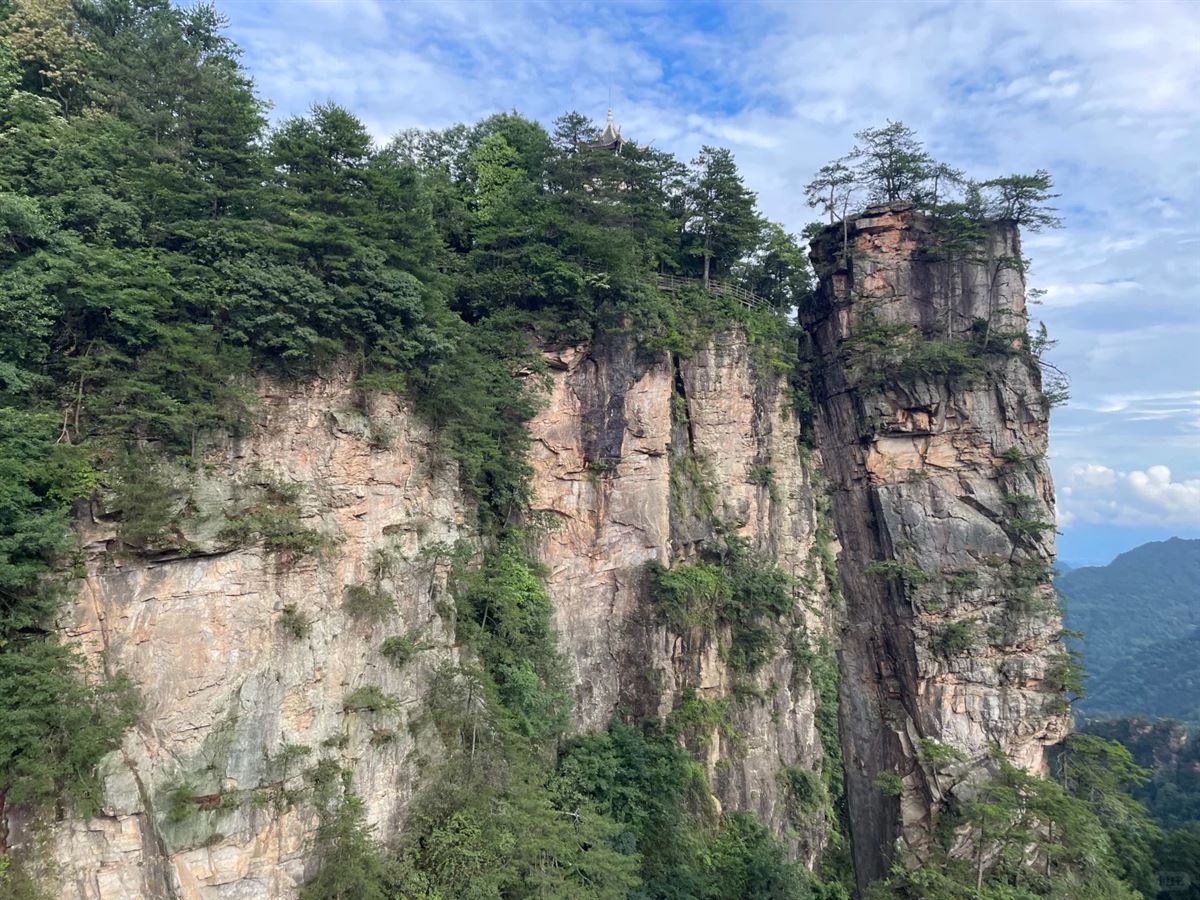 YangjiajieWorth itThe quiet zone of peak walls; no loop exists, only out-and-backs.
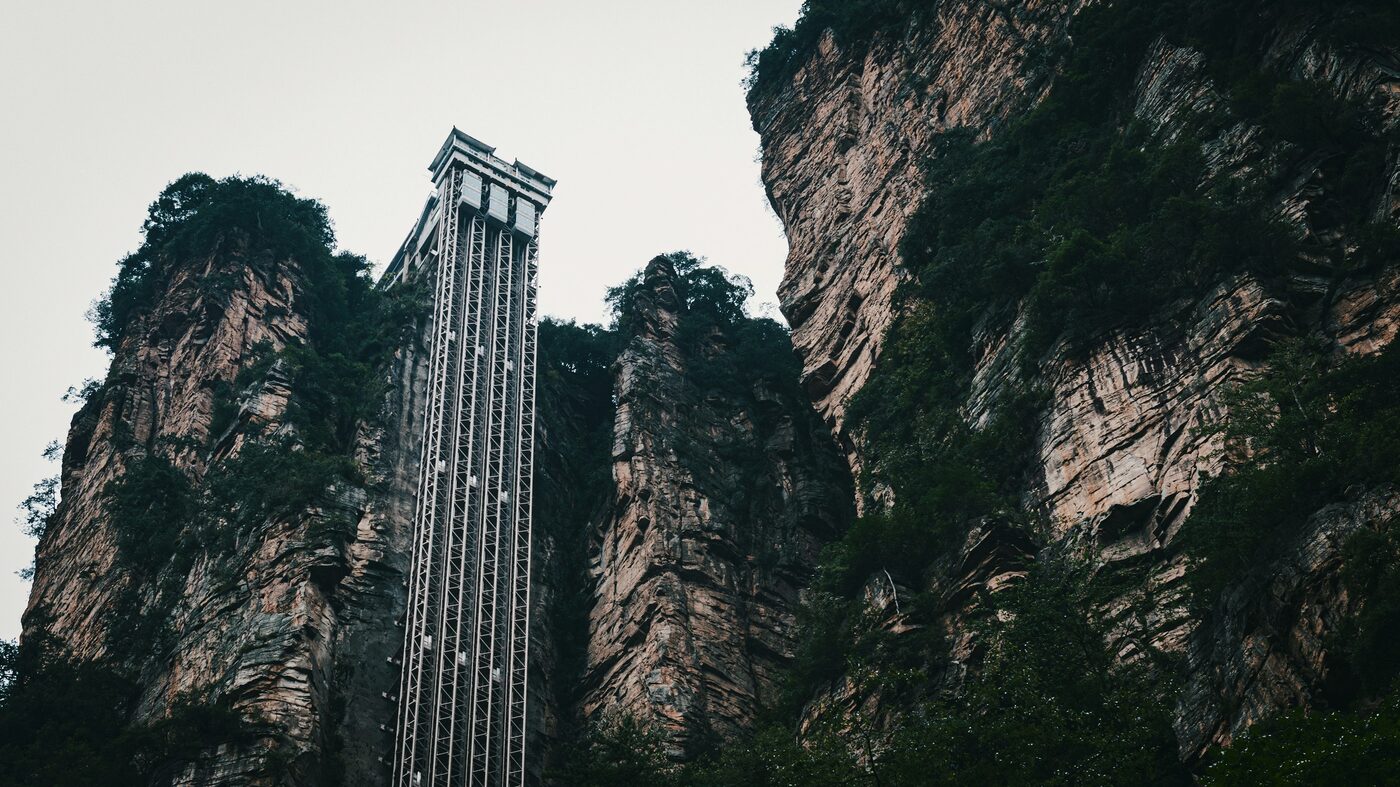 The Bailong ElevatorWorth it326 m, two minutes up, the park’s worst queue — and four ways around it.
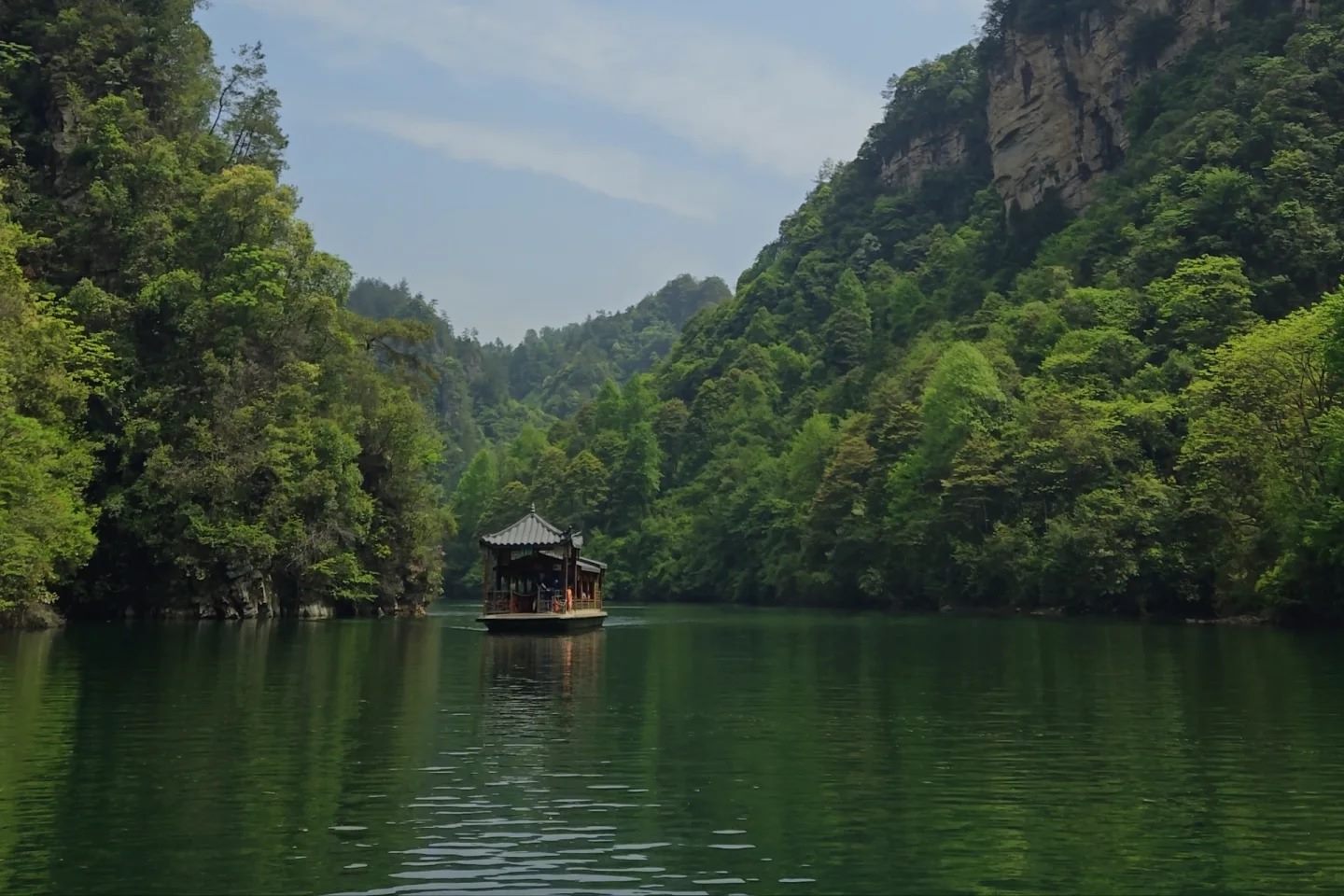 Baofeng LakeSkip if tight2.2 km south of Wulingyuan. ¥110, and not on the park pass.
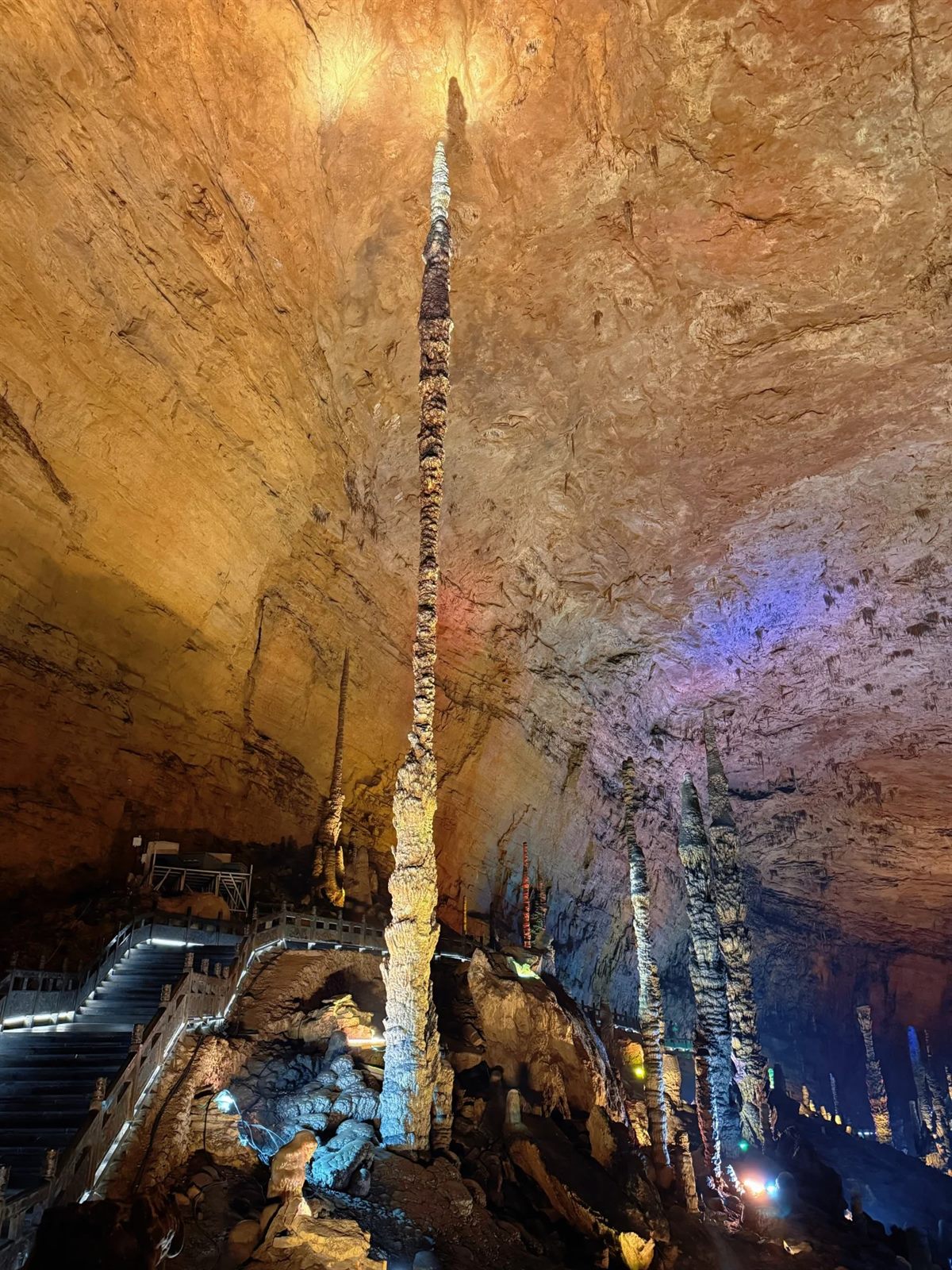 Yellow Dragon CaveSkip if tight8 km east. ¥121 on its own ticket; the 8-minute boat can carry a 2-hour queue.
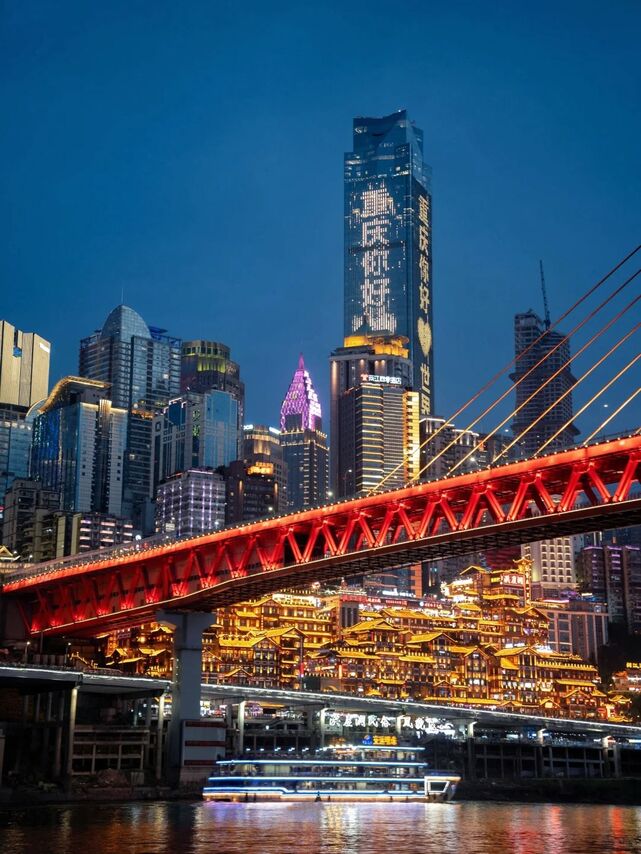
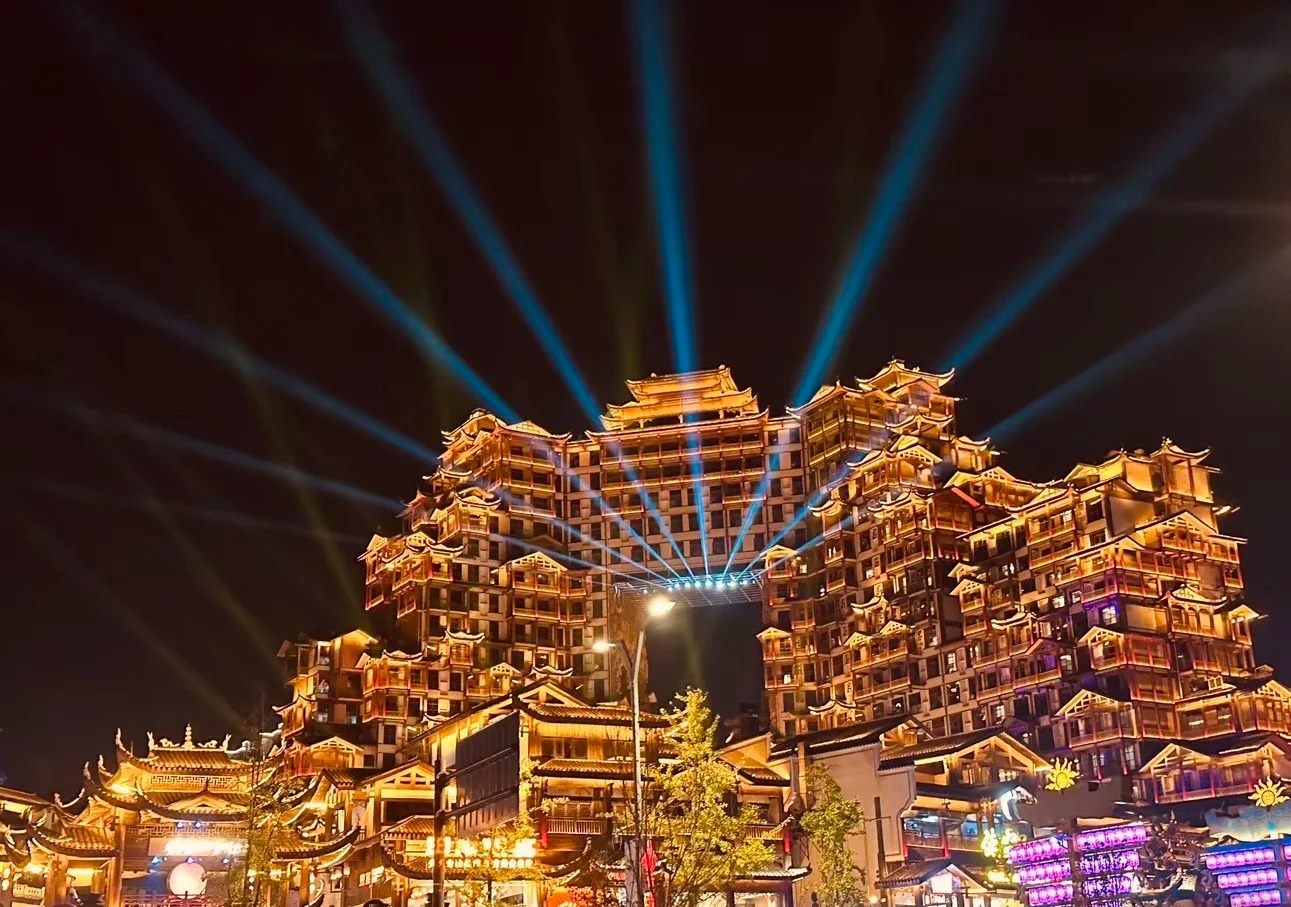 72 QilouSkippableIn the city, for the arrival evening — and the shot everyone posts is free from the footbridge opposite.
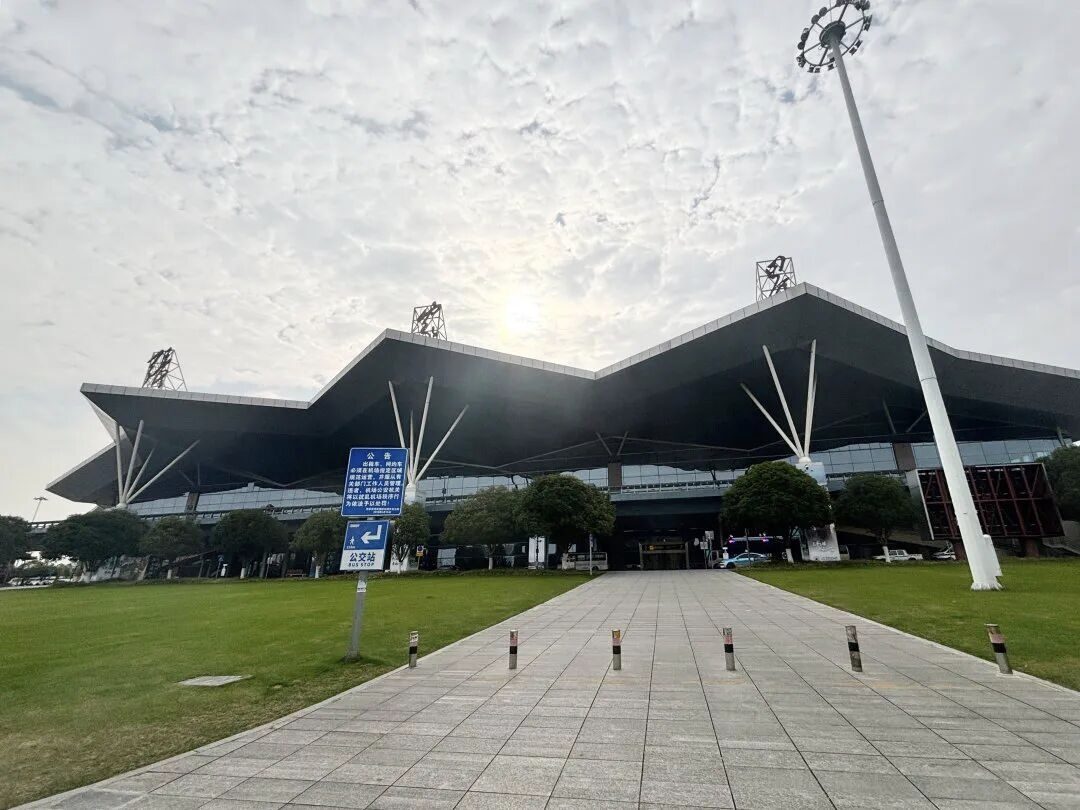 Hehua Airport (DYG)5 km from the city, ~40 min to Wulingyuan.
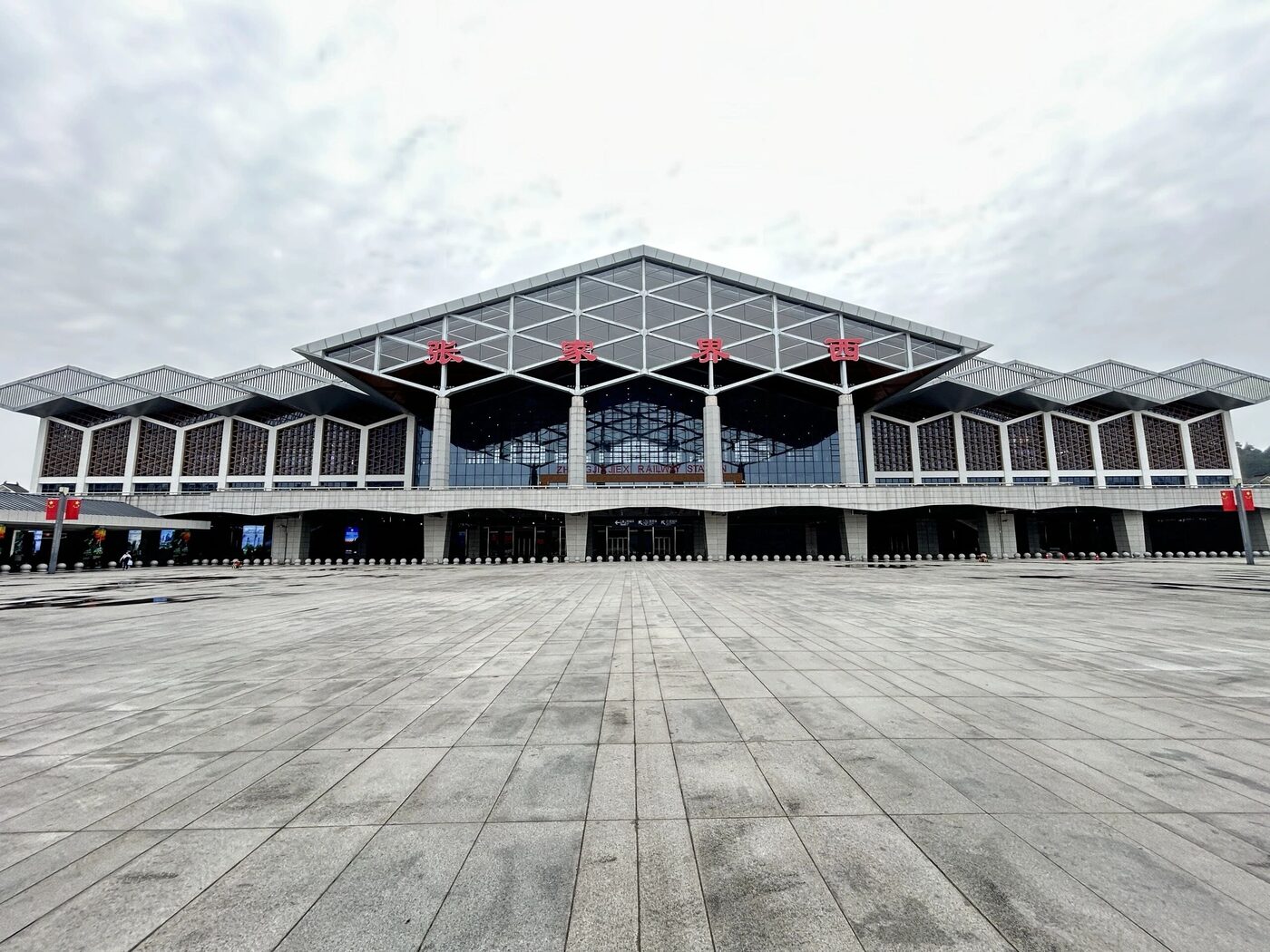 The two stationsZhangjiajie West is HSR and closest to the park; the central one is by the Tianmen cable car.
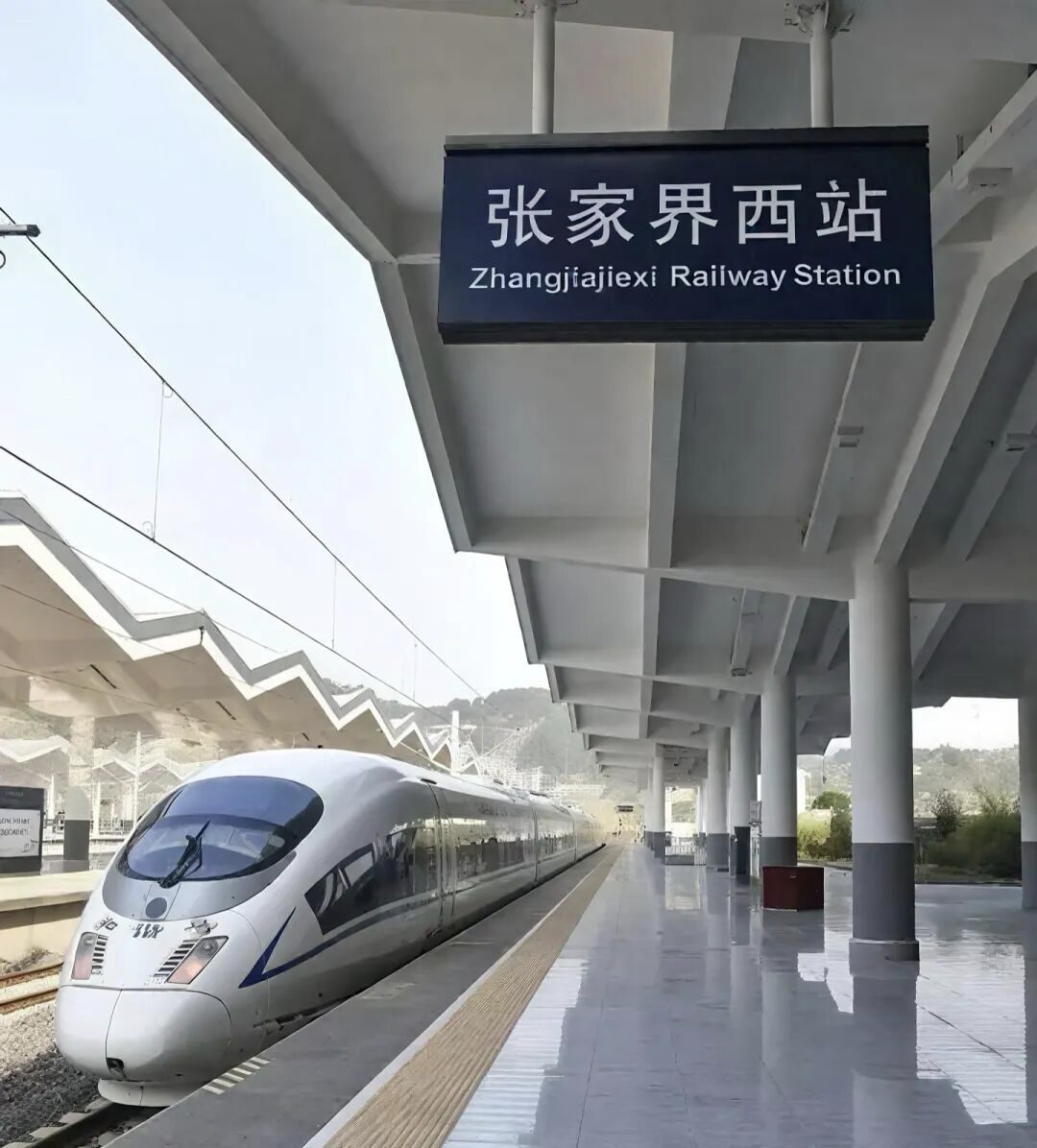 Changsha → Zhangjiajiemost arrivalsTwo Changsha stations, not interchangeable — one is markedly slower.
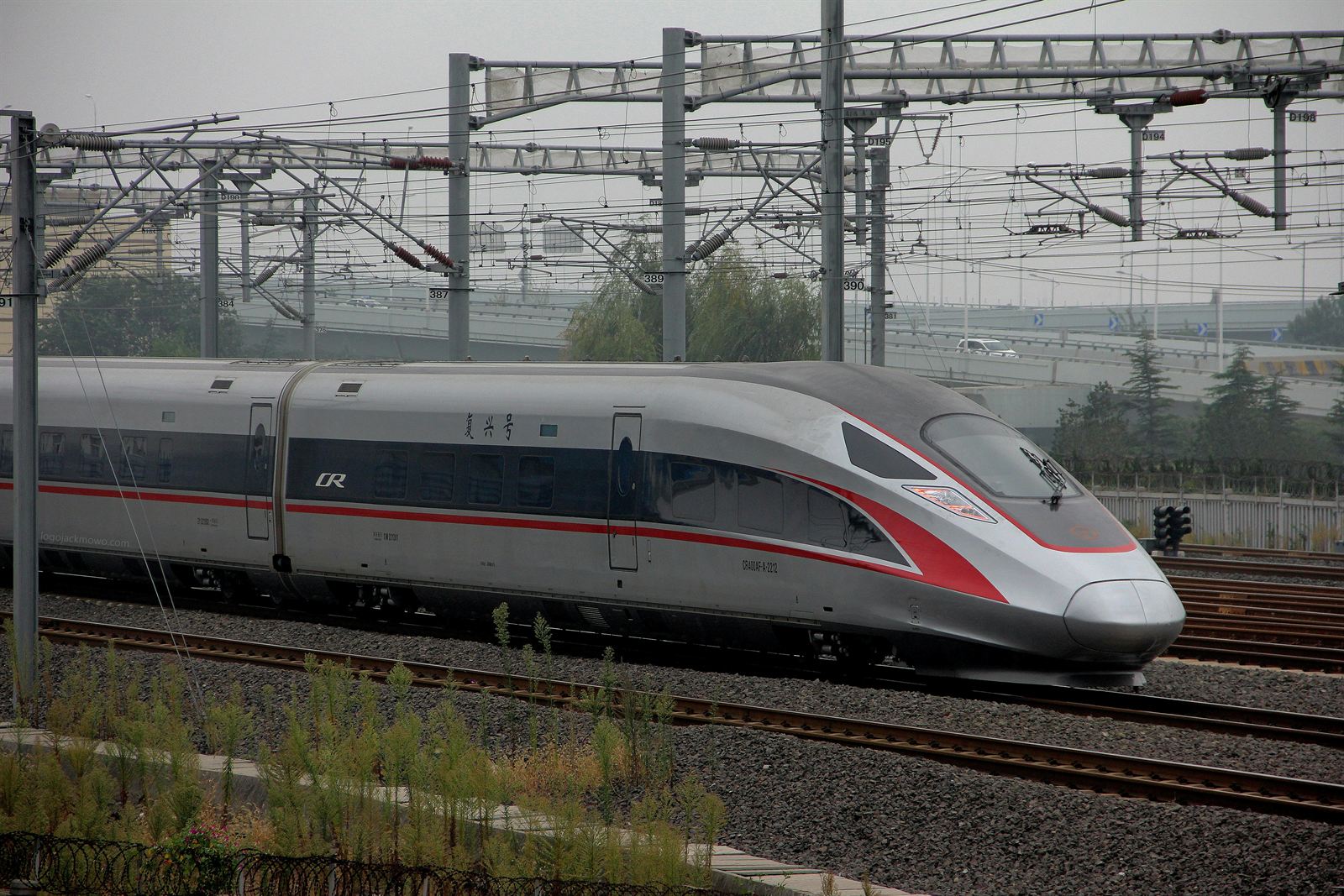 Hong Kong → ZhangjiajieOne through train a day from West Kowloon. Plan around it.
Must see / worth it / skip labels above are our own call, carried from the same attraction data that colours the park’s route map — not user ratings.
On the ground
Zhangjiajie has no Western consulate — and neither does anywhere else in Hunan province, including the provincial capital, Changsha. A foreigner who loses a passport in Zhangjiajie should phone their embassy in Beijing for instructions. For US citizens, the US Consulate-General Wuhan's consular district formally covers Hunan, but the US Embassy Beijing (+86-10-8531-4000) is the senior authority for emergency-travel-document guidance; for most other Western nationalities the nearest full consular service is the large consular network in Guangzhou or the embassy in Beijing. In practice you travel out via Changsha — the Hunan capital, reached from Zhangjiajie West by high-speed train in about 1h45-2h32 to Changsha's main station (长沙站) on the direct line via Changde, or 2h52-3h39 to Changsha South on the Zhangjiajie-Jishou-Huaihua (张吉怀) line — which has the onward flights and trains to Beijing, Guangzhou and Wuhan. The local Zhangjiajie PSB handles the police-report step regardless of where you travel for consular processing. Zhangjiajie is a compact prefecture city with no metro: the main municipal Exit-Entry hall is in the city-government service centre on Yongding Avenue, and there is a separate Wulingyuan District police authority for travellers based near the National Forest Park, about 32 km northeast of the city. The Zhangjiajie People's Hospital is the city's main general hospital; the Wulingyuan District People's Hospital is the one to know if you are based in the park gateway town.
Data verified against Amap (高德地图) on 2026-05-23. Editorial filter and ranking; data is Amap-verified and aggregated from official sources.
For medical emergencies dial 120 (ambulance). The major hospitals listed below are large, well-equipped, and most likely to have English-speaking staff. For non-emergency visits, ask your travel insurance for in-network options.
Public Security Bureau Exit-Entry offices handle lost-passport reports, visa extensions, and foreigner residency registration. Use the most central municipal office for a standard lost-passport report; provincial or city-level offices handle complex cases such as visa-category changes.
Getting online
China blocks Google, WhatsApp and Instagram at the network level, so a local SIM and hotel Wi-Fi do not get you round it — and since the April 2026 crackdown a VPN is no longer a dependable workaround. What works is a combination: your home SIM on international roaming, which keeps your real number for the SMS codes Chinese apps send, plus a travel eSIM — Holafly, Airalo or Nomad eSIM — routing through a foreign carrier so the firewall never applies to it.
Sort it before you fly. A foreign eSIM profile generally cannot be installed once the phone is already in mainland China, and that is a location restriction, so airport Wi-Fi does not solve it.
Which one, and why not a VPN → China eSIM vs VPN·How to buy and install one → Stay connected in China